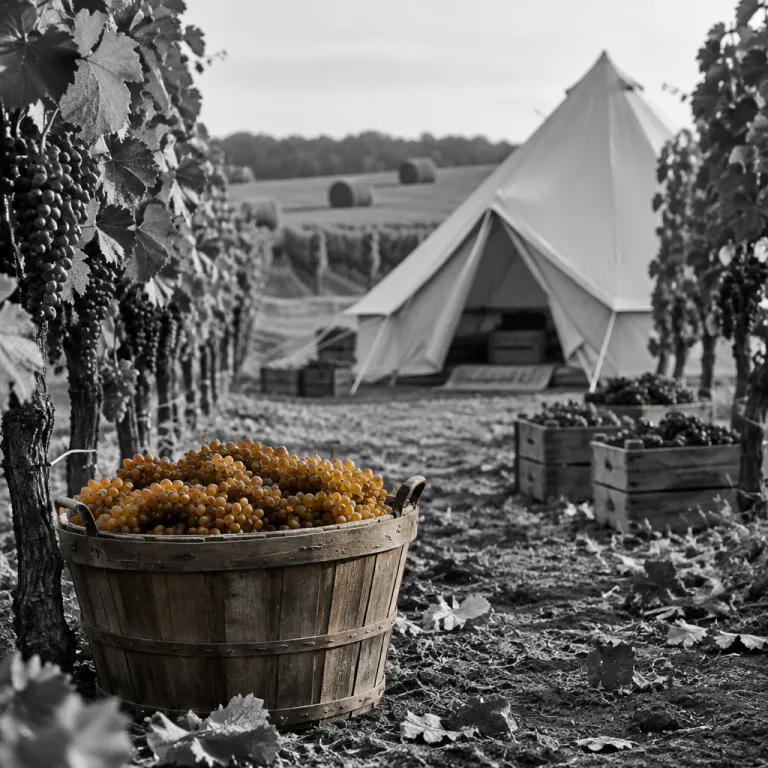
Harvest season glamping in working vineyards and farms
A harvest season glamping stay on a working vineyard or mixed farm places your family directly between ripening vines and the clink of sorting tables. During peak harvest, the best hosts balance the rhythm of real agricultural work with calm, well serviced stays that still feel indulgent. Children wake to the scent of crushed grapes while parents plan the day’s slow travel around tastings, orchard walks and long lunches.
On a well run property, the host will usually be a winemaker, farmer or farm manager who treats guests as temporary members of the estate rather than anonymous camping bookings. Their host profile on a luxury and premium booking website should show clear photos of tent locations, outline how close you are to the winery or orchards, and explain whether harvest participation is observational or hands on. Look for listings where the profile mentions small group activities and family friendly tours, because these stays tend to manage noise, safety and access far better for children.
Many travelers first encounter this style of stay through networks inspired by Harvest Hosts members and similar communities of boondockers who champion low impact, farm based camping. While those platforms often focus on free camping for self contained vehicles, luxury tent stays borrow the same principle and add proper beds, curated lighting and hotel level linens. If you are used to booking through an app that lists host locations for boondockers, you will definitely appreciate how a dedicated glamping platform filters for properties that combine character with strong safety standards and clear house rules.
For families, the great advantage of a harvest season glamping vineyard farm tent stay over standard camping is structure. Your day naturally follows the harvest: a morning walk through vines or fields, a mid day rest in the shade of canvas, then an evening meal built around whatever the farm pulled from the ground. This creates a travel experience that feels both slow and full, especially when hosts invite children to help with small tasks such as apple sorting or egg collecting.
From grape crush to orchard suppers: what a harvest day feels like
On a working winery, harvest starts early, and your stay quickly syncs with that timetable. Expect tractors moving before sunrise, pickers in the rows by first light, and the low hum of the crush pad carrying across host locations as grapes become must. A thoughtful host will brief guests on where children can safely watch, which camping areas remain quiet, and how close your tent is to the winery action under local farm safety guidelines.
During a harvest season glamping vineyard farm tent stay, the most memorable moments often happen between formal activities. You might pause at a small clearing where the vines open to a view, turning a simple walk into a family ritual repeated every day of the trip. Later, the same place becomes the setting for a lantern lit tasting, which is where a guide to lighting a luxury tent proves unexpectedly useful for creating atmosphere without harsh glare.
Families who enjoy flexible travel often combine these vineyard stays with nights at farms and wineries that also produce olive oil, apples or vegetables. This is where trip planning becomes part of the pleasure, as you map host locations that follow the harvest north or south over several weeks. When you move between wineries, breweries and distilleries that all offer glamping, children start to understand how different landscapes shape what ends up on their plates.
For guests used to hard walled suites, it helps to think of this format as a cousin to a yurt stay rather than traditional camping. Articles that explain what a modern yurt represents in luxury travel are a useful reference, because the same principles apply: generous space, proper insulation and real beds, just wrapped in canvas. The difference during harvest is that your neighbours are vines, orchards and fields, not corridors and elevators.
Practicalities for families: hookups, fees and extra nights
Even in the most polished harvest season glamping vineyard farm tent stay, practical details matter as much as romance. Before you confirm, check whether the stay includes any hookups for guest vehicles, or whether the property keeps the tent field car free and uses a central parking place. Some families prefer limited hookups such as a shared charging station and a small fridge, while others want a purist canvas experience with only lanterns and cool boxes.
Luxury tent properties that partner with campground operators sometimes mirror the structure of free camping networks, but with clear inclusions and transparent camping fees. You might see language borrowed from Harvest Hosts or similar communities, such as a suggested tasting fee instead of a formal nightly rate, yet in premium glamping this usually sits on top of a fixed price per stay. When you read a host profile, look for explicit information about what is included, what counts as extra, and whether extra nights are possible during peak harvest.
Families planning trip routes across several regions often use an app to coordinate stays at wineries, breweries and distilleries that welcome children. While some platforms focus on self contained boondockers, luxury tent booking sites adapt the same map of host locations to highlight fully serviced canvas suites. If you are combining a tent stay with a later yurt experience, guides that explain what a yurt stay feels like in contemporary luxury travel can help you compare layouts, insulation and privacy.
For parents, the key question is always how a place will feel over several days, not just one photogenic evening. Ask the host whether harvest work runs seven days a week, how early machinery starts, and whether there are quiet hours respected by all host members and staff. If the answer feels vague, this is not the stay where you should commit to extra nights, especially with younger children who need predictable rest.
Choosing the right host locations for an autumn farm to table trip
With demand rising, the most atmospheric harvest season glamping vineyard farm tent stay options now book out months ahead. To narrow the field, start by deciding whether your family is more interested in a winery, an orchard or mixed farms and wineries that grow several crops. Each type of place shapes the rhythm of your day, from the quiet focus of grape sorting to the more playful pace of apple picking or pumpkin hauling.
When you browse host locations on a premium booking platform, pay close attention to how each host describes their small business. A detailed host profile that explains the farm’s history, outlines safety rules for children and lists specific harvest activities is usually a sign of a well organised stay. By contrast, profiles that lean heavily on generic glamping language without mentioning harvest work often indicate that the tents are scenic but disconnected from the land.
Families who usually rely on free camping networks or boondockers communities will notice some familiar language around community and respect. The difference here is that you are paying camping fees for a curated travel experience, not just a parking place for a vehicle, and that changes expectations on both sides. You can still bring the same ethos of care that underpins Harvest Hosts style stays, but you should also expect professional hosting standards and clear communication.
For an extended autumn trip, consider building an itinerary that strings together several stays across different host locations, moving gradually as the harvest shifts. Start with early grape harvest at higher altitude wineries and breweries, then slide into lower valley orchards, and finish at coastal farms and wineries where olives or late vegetables come in. This kind of planning trip approach turns a single weekend away into a layered journey that your children will definitely remember long after the last campfire ember fades.
FAQ
How far in advance should I book a harvest season glamping vineyard farm tent stay ?
For popular wine regions such as Napa Valley, Tuscany or the Barossa, aim to book at least three to six months ahead, because harvest windows are short and tents are limited. Smaller farms and wineries may have more flexibility, but they also host fewer guests, so last minute availability is rare. If your dates are fixed around school holidays, treat this like booking a peak season ski trip and secure your stay early.
Are harvest season glamping stays suitable for young children ?
Many properties welcome families, but you need to check how close tents are to machinery, cellars and roads. Look for a host profile that clearly explains safety zones, supervised activities and whether the camping area is fenced or naturally contained. For toddlers, choose locations with more orchard or field space and less proximity to busy crush pads.
What should I pack for an autumn vineyard or farm tent stay ?
Pack layered clothing for cool mornings and evenings, sturdy closed shoes for walking through fields, and a warm outer layer that can handle dust or mud. Most luxury tents provide quality bedding, but bringing small extras such as a familiar child’s blanket or a compact lantern can make nights feel cozier. Check with your host about what is already supplied, so you avoid unnecessary duplicates.
Do harvest season glamping properties offer wine tastings and farm to table meals ?
Many winery based stays include at least one guided tasting, often scheduled after the day’s harvest work winds down. Farm to table dinners are common, but the format varies from communal long tables to private meals served on your tent deck. Always confirm what is included in the rate and what counts as an extra experience when you book.
How do camping fees at luxury harvest glamping sites compare with standard campgrounds ?
Nightly rates at luxury harvest glamping properties are usually higher than standard camping fees, because they include furnished tents, linens and curated activities. You are paying for a complete travel experience that blends accommodation with access to working vineyards or farms, not just a pitch. For many families, the value lies in the rare chance to stay inside the harvest rather than simply visit it for the day.