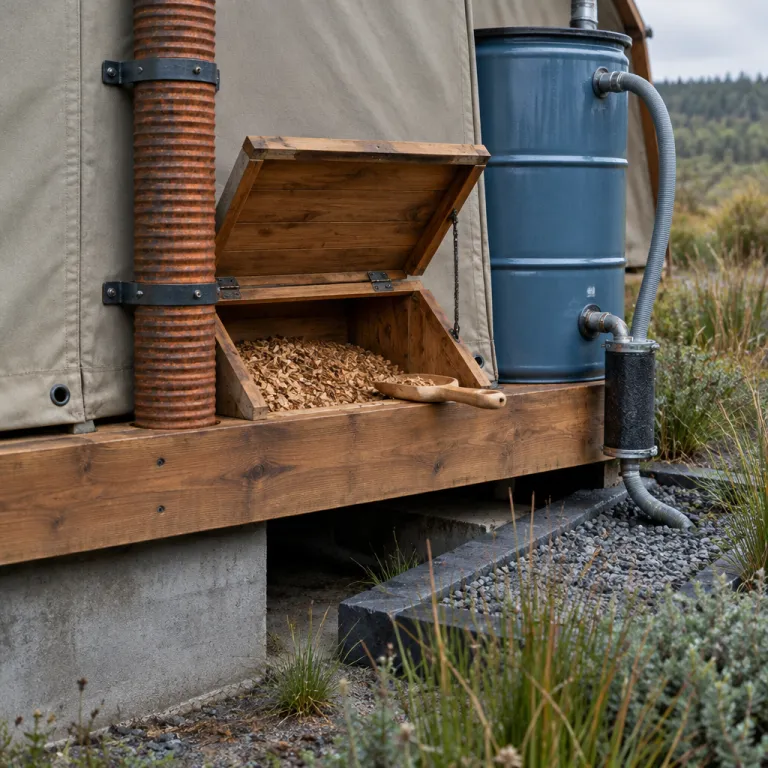
The quiet luxury of sustainable glamping infrastructure composting water
Step into a well run glamping site and the first impression is usually linen, light and landscape. Behind that calm surface, a carefully engineered mix of off grid utilities, composting systems and water treatment is working hard so that guests feel only effortless comfort while serious engineering hums invisibly below the canvas tents. The best luxury outdoor camps now treat sustainability as a backstage craft, not a lobby slogan.
At high end glamping sites in Namibia, Costa Rica or Montana, the composting systems, grey water treatment and off grid power are often designed first, then hidden with almost theatrical precision. You might walk a raised boardwalk to your tent, never realising that beneath your feet a complete water management system is separating grey water from black water, routing each stream to its own treatment system and composting area sized for peak occupancy. This is low impact glamping at its most refined, where the environmental footprint is dramatically reduced yet the guest experience remains entirely focused on views, service and stillness.
For travellers used to conventional camping, the idea of a composting toilet or vault toilets can sound rustic, even basic. In reality, the latest composting toilets in luxury outdoor camps look like sleek, modern toilets glamping guests would expect in a high category suite, with odour free operation and low maintenance requirements. Brands such as Clivus Multrum, Separett and Sun-Mar now supply units specifically adapted for eco resorts, and the art lies in pairing this advanced technology with intuitive instructions so that guests use the toilet system exactly as intended, without ever feeling they are participating in waste management.1
Invisible toilets: when composting feels like a conventional bathroom
The most sophisticated sustainable glamping infrastructure projects start with the bathroom, because that is where expectations are highest. Designers now specify composting toilets that mimic the height, shape and even the flush sound of conventional toilets, while the actual composting toilet chamber sits discreetly below the deck or behind the tent platform. For the guest, the toilet experience feels familiar; for the operator, the waste treatment system is radically more sustainable.
Under the floor, composting systems use carefully balanced bulking agents such as wood shavings or coconut coir to aerate solids and accelerate decomposition. A typical mix might be one part bulking material to two parts waste by volume, adjusted seasonally to maintain moisture between roughly 50 and 60 percent. These composting toilets are often paired with small fans and sealed vents, creating negative pressure that pulls air down through the toilet and out through a vent stack, which is why well designed toilets glamping guests use at top tier camps are almost entirely odourless. In cold climates, some glamping sites add low energy heating elements of 50–150 watts to keep the composting process active, again hidden from view so that the bathroom remains a serene, spa like space.
Regulation is tightening, especially for rural glamping site developments that rely on private systems rather than municipal sewers or a public grid. Planning authorities now scrutinise every aspect of waste management, from the sizing of vault toilets to the presence of a grease trap in shared kitchens, because poor treatment can contaminate groundwater and damage brand reputation. In parts of Europe, for example, new eco lodge guidelines reference EN 12566 standards for small treatment plants and require documented maintenance schedules, typically with inspections at least once a year.2 For travellers comparing eco friendly stays, certifications and transparent environmental impact reporting increasingly matter; guides to new green label rules for glamping stays, such as those discussed in analyses of Europe’s evolving sustainability standards, are becoming essential reading before booking.
Grey water, grease traps and the landscape that waters itself
Water leaving a luxury outdoor tented suite does not all carry the same burden, and sustainable glamping design treats each stream differently. Grey water from showers and basins is usually routed to separate systems from black water, passing through filters, grease trap units and biological treatment beds before it ever touches the surrounding soil. A typical sequence might include a settling tank, a sand or membrane filter and then a planted reed bed, with flow rates sized for daily use of 100–150 litres per guest, in line with figures used in small on site treatment design manuals.3 When done well, this quiet choreography of treatment and management turns waste into a resource that nourishes the landscape rather than polluting it.
Many eco conscious glamping sites now use subsurface drip irrigation systems fed by treated grey water to support native vegetation around canvas tents. The guest sees only thriving shrubs and shade trees, perhaps a line of wildflowers edging the path from tent to main lodge, while beneath the surface a carefully calibrated system disperses water at a rate the soil can absorb. In coastal Queensland and similar fragile environments, some of the most admired eco friendly luxury accommodation projects have built entire planting schemes around these recycled flows, allowing the glamping experience to feel lush without drawing heavily on local freshwater supplies. At one 20 tent coastal camp, for instance, treated grey water now supplies more than half of the irrigation demand for surrounding dune stabilisation plantings, according to the project’s published environmental management plan.4
Kitchen operations are another quiet frontier of sustainable glamping, where a well designed grease trap protects downstream treatment systems from fats and oils that can clog pipes and overwhelm biological processes. Camps that invest in robust waste management infrastructure often report lower long term maintenance costs, because pumps, filters and composting systems are not constantly fighting preventable blockages. For guests, the only visible sign might be consistently strong water pressure and clear, odour free paths between tents, yet those details signal a property that takes both comfort and environmental impact seriously.
Off grid power, low maintenance systems and the cost of staying invisible
Energy is the other half of sustainable glamping infrastructure, and the most successful properties make their power systems almost vanish. Solar arrays sit behind ridgelines or are integrated into service areas, while battery banks and inverters hide beneath platforms so that guests see only warm lamplight and quietly humming ceiling fans. A typical luxury tent might draw 1–2 kWh per night for lighting, device charging and ventilation, easily supplied by a modest solar field when storage is correctly sized. The aim is to deliver a seamless glamping experience that feels indulgent yet remains genuinely off grid.
From an operator’s perspective, the most prized technologies are those that combine low maintenance with reliability, because remote glamping sites cannot afford daily technical interventions. Composting systems that require only periodic addition of bulking agents and removal of finished compost every 6–18 months, depending on use, are far more attractive than units demanding constant adjustment, especially when staff must also manage guest services, activities and food operations.1 Over time, camps that invest in robust systems and thoughtful installation often see operating costs fall, with reductions in water trucking, sewage hauling and energy bills offsetting the higher initial capital outlay. One Namibian tented camp, for example, reported cutting water deliveries by more than 40 percent after upgrading to on site grey water reuse and solar pumping in a case study shared through a regional sustainable tourism programme.5
For business leisure travellers extending a work trip, these invisible systems shape the quality of rest between calls and meetings. A quiet fan powered composting toilet, a stable off grid power system and well designed waste treatment infrastructure mean no generator drone, no odours and no awkward instructions taped above the toilet. When you read mid season glamping previews that highlight why shoulder months are becoming peak tent season, the subtext is often infrastructure; only camps with resilient systems can offer consistent comfort when temperatures swing and occupancy patterns shift.
How to read between the lines when booking a sustainable glamping stay
For travellers, the challenge is that the best environmental engineering work is intentionally hidden, so you need to read carefully. Start with how a glamping site describes its water and waste management systems on its website, looking for specific mentions of composting toilets, grey water treatment and off grid power rather than vague eco friendly language. Properties that reference recognised certifications such as Green Globe, EarthCheck, B Corp, LEED for hospitality projects or regional sustainability schemes usually have had their systems independently audited.
Pay attention to frequently asked questions pages, because the most transparent operators address asked questions about toilets glamping guests will use, including whether they are composting toilet models, vault toilets or hybrid systems. Clear, calm instructions about how to use the toilet, what not to flush and how the system protects the environment signal both technical competence and respect for guests. When reviews mention that the bathroom felt like a high end city suite despite the remote setting, that is often a sign that composting, treatment and waste management infrastructure has been thoughtfully concealed.
Finally, consider how the wider glamping experience is framed. Camps that talk about sustainable glamping as part of a broader conservation mission, that explain how their systems reduce environmental impact and that share data on water savings or waste diversion are usually the ones where infrastructure is more than a marketing line. For a curated view of such properties, specialist platforms focused on eco conscious luxury outdoor stays can be invaluable, especially when they combine honest reviews with deep dives into how canvas tents, systems and site planning work together to keep the magic visible and the machinery out of sight.
FAQ
How do composting toilets in luxury glamping actually work ?
In high end glamping, a composting toilet separates liquids and solids, then uses bulking agents such as wood shavings to aerate the chamber and support aerobic decomposition. A small fan and vent stack pull air through the toilet, keeping the bathroom odour free while the composting systems quietly reduce volume and stabilise waste. Under typical use, many commercial units are designed so that material remains in the chamber for at least 6–12 months before removal, in line with guidance from manufacturers and public health agencies, and the finished material is periodically removed by staff as part of scheduled maintenance and handled according to local regulations, which often specify minimum composting times and approved disposal or reuse options.1,6
Will I notice any difference using a composting toilet compared with a regular one ?
At well designed glamping sites, most guests report that toilets glamping operators provide feel almost identical to conventional units. The main difference is usually a brief set of instructions explaining what can be flushed and how the system supports sustainable glamping and lower environmental impact. Noise, comfort and cleanliness should match or exceed what you expect from an upscale city property, and any fan hum is typically quieter than standard bathroom ventilation.
Is grey water from my tent safe for the surrounding environment ?
When a glamping site invests in proper treatment, grey water from showers and basins passes through filters, grease trap units and biological systems before being released. Many camps then use subsurface irrigation to water plants, ensuring no surface pooling or contamination. If a property is transparent about its waste management and treatment system, and holds recognised eco certifications, you can be confident the process is carefully controlled and regularly inspected, often at least annually under regional environmental health rules.2,3
What should I look for when booking an eco conscious luxury outdoor stay ?
Focus on how clearly the property explains its sustainable practices, especially around water, toilets and energy. Look for mentions of composting toilets, off grid power, low maintenance systems and independent sustainability certifications rather than generic eco friendly claims. Reviews that praise both comfort and the sense of light touch on the land usually indicate that sustainable glamping infrastructure and water management have been thoughtfully implemented and properly maintained.
Are off grid glamping sites as reliable as traditional hotels for business travellers ?
Top tier off grid glamping sites design their systems for reliability, using redundant power, robust treatment infrastructure and proven composting technologies. For business leisure travellers, this often means stable electricity for devices, quiet climate control and fully functional bathrooms despite the remote setting. When operators highlight their systems and management approach in detail, and reference regular servicing or third party audits, it is a strong sign that your stay will be both comfortable and resilient.
Sources and case studies: (1) Clivus Multrum, Separett and Sun-Mar technical manuals on commercial composting toilets; (2) EN 12566 series on small wastewater treatment systems for up to 50 PT, as referenced in European eco lodge guidance; (3) design handbooks for small scale grey water treatment and reed bed systems used in rural tourism projects; (4) environmental management documentation from coastal Queensland eco accommodation projects using treated grey water for dune stabilisation; (5) regional sustainable tourism case study on a Namibian tented camp implementing solar pumping and on site reuse; (6) public health recommendations on composting toilet retention times and safe handling of finished compost.