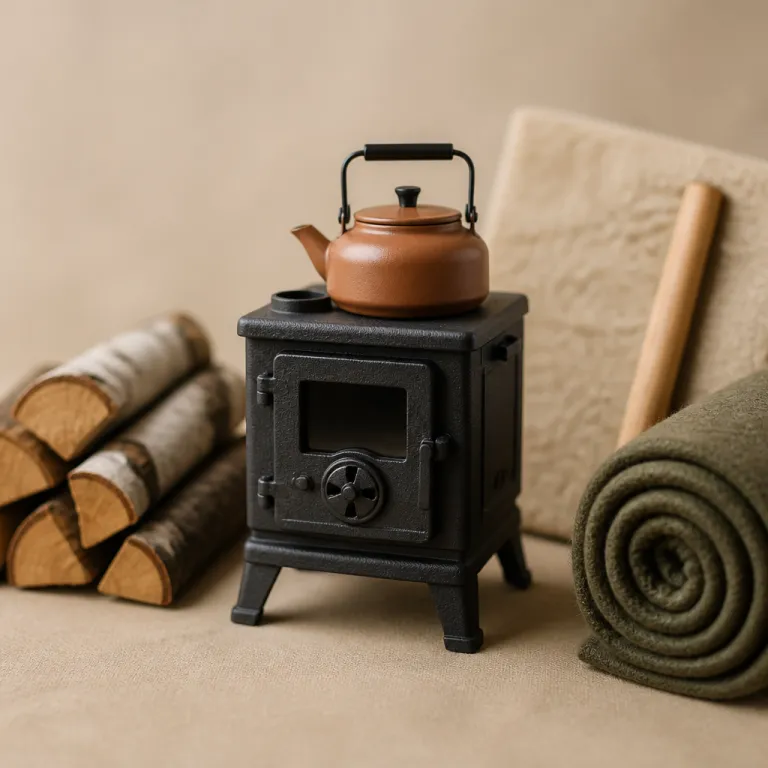
Designing a luxury tent around a yurt wood stove
A well specified yurt wood stove can turn a simple canvas tent into a refined retreat. When you book a premium yurt, you expect quiet comfort, and the right stove will shape the entire feeling of the space. Inside a luxury yurt, the position of the stove, the wall protection, and the chimney route all influence both safety and style.
High end yurts usually place the main stove near the central lattice so the heat spreads evenly across the circular floor. A compact but powerful wood stove with around 5 kW output suits an average 7.3 m (24 ft) yurt, which matches guidance that a stove with approximately 5 kW output is recommended for a 24 ft yurt in many manufacturer sizing charts. For example, Morso lists the 1410 Squirrel (rated around 4.5 kW in typical spec sheets) and Jøtul lists the F 100 (often quoted at roughly 5 kW) for similar volumes, while UK installers frequently reference the HETAS calculation method to confirm sizing. When you compare yurts on a booking website, look for clear photos of the stove installation, the chimney wall penetration, and any exterior flashing details.
Thoughtful hosts choose a stove, chimney pipe, and flue system that complement the interior design rather than dominate it. Some properties highlight a cast iron yurt stove such as the Morso 1410 or Jøtul F 100 as a sculptural centrepiece, while others prefer a sleek stainless steel small stove that tucks neatly beside a bed platform. Both approaches can feel great in a luxury tent, provided the wood stoves are clean burning and correctly sized for the volume of air inside the yurt and installed in line with local fire code or building regulations. Manufacturer installation manuals and HETAS or NFPA 211 guidance consistently emphasise correct clearances, suitable hearth construction, and a properly supported flue.
Choosing between bell tent suites and framed yurts with stoves
On a luxury booking platform you will often compare a framed yurt with a heated bell tent suite. A bell tent with a compact wood stove can feel intimate and romantic, while a larger yurt with a full height wall and lattice frame offers more structured yurt living. The best choice depends on how you like to move inside the tent and how much heat you need in cooler seasons.
In a bell tent, the stove installation usually sits close to the central pole, with the chimney pipe exiting through the canvas via a specialist flashing kit. This keeps the flue short, which improves draw and supports clean burning performance from small wood loads. In a framed yurt, the stove will often sit against a low wall section, sending the chimney through a double wall insulated section before it passes the roof ring and the exterior canvas, similar to the wall thimble and insulated pipe transitions shown in many UL 103HT and EN 1856 installation diagrams and in technical literature from chimney manufacturers such as Selkirk or DuraVent.
When browsing options, look for listings that explain how they install the stove and protect the tent fabric. A responsible company will mention the use of heat shields, double wall chimney sections near any timber or canvas, and an exterior flashing system that prevents leaks. For a deeper comparison of structures such as safari tents, bell tents, and domes, many travellers consult guides on choosing the right glamping structure, which help you understand how each handles a wood stove and flue.
Safety, chimney design, and the art of the exterior wall
Luxury tent operators who take safety seriously treat the chimney design as part of the architecture, not an afterthought. A well planned chimney wall penetration, with proper exterior flashing and a stable flue support, protects both guests and the yurt structure. When you read a listing, pay attention to how clearly it explains the stove installation and maintenance routine, and whether it reflects recognised standards such as NFPA 211, HETAS guidance, or similar regional codes.
Inside a yurt, the stove will usually sit on a non combustible hearth pad, with single wall steel pipe rising to a safe height before switching to a double wall insulated section. This double wall section passes through the roof or wall, where a dedicated flashing kit seals the opening and keeps rain outside the tent. Quality properties often specify stainless steel flue components because they resist corrosion and maintain a clean burning draft over many seasons, echoing recommendations from the U.S. Environmental Protection Agency (EPA) Burn Wise program and from major chimney manufacturers that stress durable, listed components and regular inspection.
From the exterior, the chimney and flashing can either clash with the canvas or become a subtle design feature. Some high end yurts use matte black steel pipe and low profile exterior flashing to keep the silhouette elegant against the landscape. When you evaluate whether a tent feels genuinely luxurious, resources such as the canvas quality checks in the canvas flap test for a luxurious tent stay can help you read between the lines of glossy photos. A simple annotated diagram that labels the hearth, the single-to-double wall transition, and the exterior flashing can also make a listing’s safety claims easier to verify at a glance.
Materials, aesthetics, and the feel of yurt living
The material of your yurt wood stove shapes both performance and atmosphere. Cast iron models hold heat for a long time, which suits slow evenings inside a yurt after a day of hiking. Slim stainless steel stoves respond quickly, so the stove will warm the tent fast but cool more rapidly once the small wood fire dies down.
In a luxury context, many hosts pair a dark cast iron yurt stove with pale timber floors and a light canvas wall to create a calm contrast. The lattice frame of the yurt then becomes a decorative backdrop, with the flue rising cleanly through the roof ring and the chimney pipe echoing the vertical lines of lamps and floor vases. Other properties prefer a minimalist look, using a small stove in brushed stainless steel, a simple steel heat shield, and a narrow chimney wall section that almost disappears against the canvas, sometimes illustrated in floor plan sketches or annotated photos that show clearances and circulation routes.
Thoughtful design also considers how guests move around the stove inside the yurt. Clear circulation paths reduce the risk of brushing against a hot single wall pipe, and low benches or log stores can subtly guide movement. When you browse romantic tent escapes and similar curated collections, pay attention to floor plans and photos that show the relationship between the bed, the stove, and the nearest wall or door.
Practical comforts: heat, maintenance, and guest experience
For travellers, the real test of a yurt wood stove is how it feels at midnight when the temperature drops. A well matched stove will keep the interior between roughly 18 and 22 °C with modest wood use. If the stove is too small, you will burn through small wood bundles quickly and still feel cool near the outer wall.
Responsible hosts explain how to operate the stove, manage the air controls, and maintain clean burning conditions. Many provide a simple kit with kindling, firelighters, gloves, and a clear guide that shows how to keep the flue drawing well and the glass clean. Some even mention that they use EPA certified wood stoves and that they regularly maintain the chimney, which aligns with expert advice from the EPA Burn Wise program such as “Use of EPA-certified stoves” and “Regularly maintain stove,” and with similar maintenance checklists in NFPA 211 and manufacturer manuals.
Good maintenance also affects aesthetics, because a well swept flue and clean exterior flashing keep soot off the canvas and roof. When you read reviews, look for comments about smoke smells, draughts near the chimney wall, or difficulty lighting the fire. These details tell you more about the quality of the stove installation than any marketing phrase that invites you to skip content and focus only on styled photographs.
What to look for on a luxury tent booking website
When you use a luxury and premium booking website for yurts, the listing details around the wood stove reveal the host’s priorities. Clear descriptions of the stove installation, chimney route, and safety features show respect for guests. Vague mentions of a “cozy fire” without photos of the flue, the wall protection, or the exterior can signal a less considered approach.
Look for language that explains whether the stove is cast iron or stainless steel, whether the chimney pipe uses single wall indoors and double wall near the canvas, and how the exterior flashing is sealed. A professional company will often reference working with qualified installation professionals or safety inspectors, which aligns with guidance such as “Consult local regulations” and “Hire experienced installers” in HETAS, NFPA 211, and EPA Burn Wise materials. Listings that mention planning, installation, and maintenance as a continuous process usually deliver a more reliable heating yurt experience.
Finally, consider how the stove integrates with the wider yurt living concept. Some yurts use a central bell to call guests to shared fire pits, while others focus on private bell tent suites with individual stoves and flues. In both single yurts and larger yurts clusters, the best hosts treat the wood stove as part of the overall hospitality design, not just a metal box in the corner.
Key figures and technical insights for heated yurts
- For an average 7.3 m (24 ft) yurt, a wood stove with around 5 kW output is typically recommended, matching guidance that “A stove with approximately 5 kW output is recommended” for a 24 ft structure in many stove manufacturer specification tables and installer sizing charts, including examples for compact models such as the Morso 1410 and Jøtul F 100.
- Many luxury yurts use a combination of single wall steel pipe indoors and double wall insulated sections near the roof or wall, because this configuration reduces clearance requirements and improves safety around canvas and timber. Typical UL-listed and CE-marked systems specify around 450–600 mm clearance for single wall pipe, reduced to roughly 150–200 mm for insulated sections, figures that are consistent with NFPA 211 and with technical data sheets from major flue manufacturers.
- EPA certified wood stoves can reduce particulate emissions significantly compared with older models, which supports cleaner air inside and outside the tent when the flue is correctly sized and maintained. EPA Burn Wise materials note that modern certified appliances can cut particle pollution by more than half compared with uncertified stoves, especially when operated with dry fuel and adequate draft.
- Heat shields placed behind the stove and along the chimney wall can reduce required clearances by up to two thirds, allowing more flexible layouts in compact yurts without compromising safety. This figure reflects guidance commonly found in NFPA 211 and many stove installation manuals, which describe ventilated metal shields mounted with an air gap and supported off the wall.
FAQ: yurt wood stove essentials for luxury stays
What size wood stove is suitable for a typical luxury yurt stay ?
For a yurt around 7.3 m in diameter (roughly 24 ft), a wood stove with roughly 5 kW output usually provides comfortable heat without constant refuelling. This aligns with expert guidance that a stove with approximately 5 kW output is recommended for a 24 ft yurt in many manufacturer brochures and installer worksheets. When in doubt, choose a slightly smaller clean burning model rather than an oversized unit that may smoulder.
How can I tell if a yurt stove installation is safe when booking ?
Check listing photos for a non combustible hearth, visible heat shields, and a clear transition from single wall to double wall chimney pipe near the roof or wall. A safe installation will also show proper exterior flashing where the flue exits the tent. Descriptions that mention ventilation, regular maintenance, and compliance with local regulations or standards such as NFPA 211, HETAS guidance, or similar regional codes are strong positive signs, especially when supported by simple diagrams or annotated images.
Are there specific wood stoves designed for yurts ?
Yes, some manufacturers and specialist suppliers offer compact wood stoves and yurt stove kits tailored to circular structures. These often include curved heat shields, roof or wall flashing kits, and flue components sized for typical yurt heights. The goal is to provide efficient heating yurt solutions while preserving the integrity of the canvas and lattice frame.
What maintenance should I expect from a luxury yurt host ?
A responsible host will have the chimney swept regularly, inspect the exterior flashing and flue supports, and replace any worn gaskets or seals on the stove door. They should also provide dry wood, kindling, and clear instructions for clean burning operation. When listings mention ongoing planning, installation checks, and maintenance, it usually reflects a higher standard of care and aligns with the maintenance routines described in EPA Burn Wise and NFPA 211.
Can a small stove really heat a large bell tent or yurt ?
A well designed small stove can heat a bell tent or modest yurt effectively if it is correctly sized and paired with good insulation. The key is matching the stove output to the tent volume and using efficient flue components that maintain strong draft. In colder regions or larger yurts, a more substantial cast iron or steel model may be preferable for sustained comfort, as suggested in many manufacturer sizing tables and installer case studies.