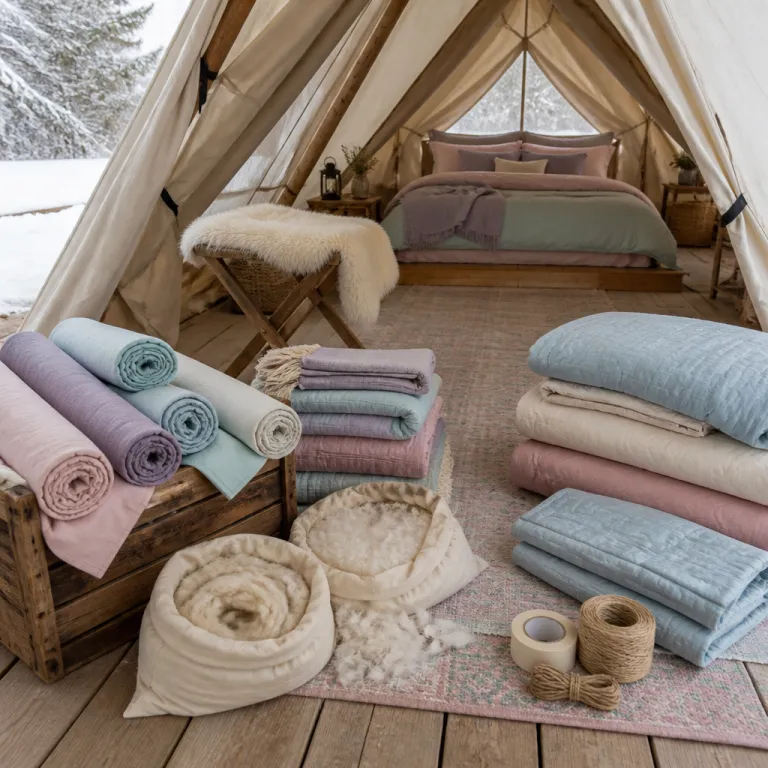
Section 1 – Why warmth matters in luxury tent camping
Choosing how to keep a tent warm is the difference between a magical stay and a miserable night. In luxury tent camping, guests expect refined comfort, so every detail of how you stay warm in cold weather must be planned with the same care as the décor and service. A premium property that understands body heat, air circulation, and safe heat sources will turn winter camping into a serene, cocoon-like experience.
Campers are not roughing it here; they are discerning travellers who want deep sleeping comfort in a warm tent without sacrificing safety. Operators must think about how the tent, the sleeping bag, and each sleeping pad work together to keep warm air inside while keeping cold air and moisture outside. The goal is simple yet demanding: guests should stay warm all night, even when the outside temperature drops below freezing during winter camping.
Data from the National Sleep Foundation indicates that the average body heat loss during sleep is about 75 watts. This means that every guest’s body will constantly release heat inside the tent, and smart design can capture that body heat to create a naturally warm sleeping environment. When a luxury tent stay is engineered around staying warm, the result is a quiet, restorative night that feels closer to a five-star suite than to traditional tent camping.
Section 2 – Selecting the right luxury tent and layout for warmth
The first step in learning how to keep a tent warm is choosing the right tent itself. For luxury properties, that means specifying tents with double-wall construction, a full rainfly, and insulated sleeping zones that help keep the inside tent temperature stable in cold weather. A tent that is too large will feel glamorous at first, but it will be harder to heat and much harder to keep warm through a long winter night.
Thoughtful layout is just as important as the tent fabric and poles. Position sleeping areas away from drafty doors, and use interior partitions to create a smaller warm tent zone where body heat and any safe heater can work efficiently. For elevated outdoor lounges or dining annexes, a structure such as a refined 20 x 40 event tent, as explained in the guide on why a 20 x 40 tent is the refined choice for elevated outdoor events, can be paired with enclosed sleeping tents to keep social spaces comfortable without wasting heat where guests are not sleeping.
Ground insulation is non-negotiable in cold camping conditions, because the earth will constantly pull heat away from the body. Luxury operators should specify platforms, thick rugs, and high R-value sleeping pads, ideally with an R-value of at least 5 for winter camping according to OutdoorGearLab’s sleeping pad tests. When guests step inside, they should feel a subtle rise in temperature underfoot, signalling that this tent camping experience has been engineered to stay warm rather than simply endure the cold.
Section 3 – Designing interiors that trap heat and feel indulgent
Inside a luxury tent, interior design can either waste heat or help you keep the tent warm with minimal energy. Soft textiles, insulated sleeping alcoves, and lined walls all contribute to a warm tent atmosphere that still feels refined and airy. The most successful properties treat insulated sleeping zones as part of the aesthetic, not as an afterthought borrowed from basic camping gear.
Layered bedding is central to staying warm in cold weather while maintaining a premium feel. High-quality sleeping bags rated below the expected outside temperature can be hidden inside elegant duvet covers, so guests see a plush bed while still benefiting from technical performance. A well-chosen sleeping bag combined with thick sleeping pads or even multiple sleeping pads under each bed will dramatically reduce heat loss to the ground and help guests stay warm all night.
Flooring and inner shells also matter when you want to keep warm air inside tent walls without condensation issues. Thoughtful properties use raised floors, insulated carpets, and inner liners, as detailed in the article on how a refined inner tent and floor design transforms your luxury camping stay, to create a buffer between cold air and the living space. This approach supports warm sleeping conditions while allowing subtle ventilation so that hot, moist air can escape without making the interior feel cold or damp.
Section 4 – Bedding, layers, and smart use of body heat
Even in the most carefully designed tent, the way guests sleep will decide how warm they feel. Luxury operators should provide clear guidance and curated amenities that help guests use their own body heat efficiently inside the tent. When the human body, the sleeping bag, and the sleeping pad work together, staying warm becomes effortless rather than a struggle against the cold.
For winter camping, insulated sleeping systems are essential, not optional. Offer sleeping bags with temperature ratings lower than the forecast, and pair them with insulated sleeping pads that meet or exceed the recommended R-value of 5 for cold weather nights. As REI’s cold-weather camping guidance notes, “What type of sleeping bag is best for cold weather camping? A sleeping bag rated for temperatures lower than expected conditions, preferably with down insulation,” as described in the REI Co-op Expert Advice section on cold-weather sleeping bags.
Small rituals can transform how to keep a tent warm into a luxurious experience. Encourage guests to fill a sturdy water bottle with hot water before bed, then slip it into the sleeping bag to pre-warm the foot area and help them stay warm as they fall asleep. When guests wear breathable base layers rather than heavy day clothing inside the sleeping bags, their body heat will circulate more evenly, creating a consistently warm sleeping environment throughout the night.
Section 5 – Safe heating, portable power, and energy management
Many travellers expect a heater in a luxury tent, yet safety must always come first. Only heaters specifically designed for enclosed spaces should be used inside tent walls, and they must be paired with adequate ventilation to prevent dangerous build-up of fumes. The American Academy of Family Physicians and the U.S. Consumer Product Safety Commission both emphasise this point in their carbon monoxide safety guidance: “Is it safe to use a heater inside a tent? Use heaters designed for indoor use with proper ventilation to prevent carbon monoxide poisoning,” as outlined in their tent-heater and portable-heater safety recommendations.
Electric solutions powered by a portable power station are often the most elegant way to keep a tent warm without open flames. A high-capacity portable power unit in the 1,000–2,000 Wh range can run a 400–600 W ceramic tent heater on a low setting for roughly 4–6 hours, or power heated blankets drawing 100–200 W for a full night, giving guests precise control over the inside temperature. This approach also allows properties in remote locations to offer reliable heat while managing energy use carefully across multiple tents.
Water-based tricks still have a place in luxury winter camping when handled thoughtfully. Staff can provide insulated carafes of hot water so guests can create safe hot water bottles, adding a comforting heat source inside the sleeping bag without relying solely on electric devices. Combined with good insulation and smart heater placement, these touches ensure guests stay warm even when the outside air feels brutally cold.
Section 6 – Weather resilience, ventilation, and operational best practices
Keeping a tent warm is not only about adding heat; it is about controlling how cold air, wind, and moisture interact with the structure. Luxury properties must plan for rain, wind, and even unexpected wildlife, choosing tent models and site layouts that protect the interior climate. A detailed guide on rain, wind, and unexpected wildlife, and how the best properties handle what nature throws at them, shows how weather management and warmth are closely linked.
Good ventilation may sound counterintuitive when you want to keep a tent warm, yet it is vital. Without controlled airflow, hot moist air from breathing and sleeping will condense on cold tent walls, making the inside tent feel clammy and ultimately colder. By cracking vents high on the tent and sealing low-level drafts, operators can maintain a comfortable temperature while allowing stale air to escape.
Operational routines complete the picture for guests who are new to winter camping but expect hotel-level service. Staff briefings at check-in should explain how to use heaters, how to manage portable power, and how to arrange sleeping pads and sleeping bags for maximum warmth. When teams follow consistent methods such as sealing tent openings, checking ground insulation, and monitoring weather, they protect guests from cold weather risks and deliver a reliably warm tent experience every night.
Key figures for warm luxury tent stays
- Average body heat loss during sleep is about 75 watts according to the National Sleep Foundation, so tent interiors must be designed to capture this body heat rather than let it escape into cold air.
- For winter camping, an R-value of at least 5 is recommended for sleeping pads by OutdoorGearLab, which means standard summer sleeping pads are usually insufficient for staying warm on cold ground.
- Using insulated sleeping pads and high-quality sleeping bags together can extend the comfortable camping season by several months in many regions, supporting the goal of increased participation in camping activities during colder periods.
- Properties that combine safe heaters with strong insulation often report lower energy use per tent, because a well-sealed warm tent requires less continuous heat input to maintain a stable inside temperature.
FAQ about keeping a luxury tent warm
How can I insulate my tent for winter camping?
Use a double-wall tent with a full rainfly, add thick ground insulation such as high R-value sleeping pads or rugs, and seal obvious openings while keeping roof vents slightly open. REI’s winter camping checklist advises: “Use a tent with a rainfly, add ground insulation, and seal openings,” as summarised in their cold-weather camping preparation resources. These steps help you keep warm air inside while blocking cold drafts from the ground and walls.
Is it safe to use a heater inside a luxury tent?
It is safe only when you use a heater specifically designed for indoor or tent use and follow the manufacturer’s ventilation guidelines. As the U.S. Consumer Product Safety Commission notes in its portable-heater safety advice, “Use heaters designed for indoor use with proper ventilation to prevent carbon monoxide poisoning.” Luxury properties should also install carbon monoxide detectors near sleeping height, test them regularly, and provide clear instructions to guests.
What type of sleeping bag should I expect in cold weather glamping?
For cold weather luxury camping, you should expect a sleeping bag rated below the lowest forecast temperature, ideally with down or high-performance synthetic insulation. The REI Co-op expert advice section explains: “A sleeping bag rated for temperatures lower than expected conditions, preferably with down insulation,” in its guidance on choosing cold-weather sleeping bags. Many premium sites hide these technical sleeping bags inside stylish duvets so the bed still looks refined.
How do luxury tent sites keep guests warm without feeling stuffy inside?
They combine strong insulation with controlled ventilation, allowing moist hot air to escape through roof vents while blocking low-level drafts. This balance keeps the inside tent temperature comfortable and reduces condensation on walls and ceilings. Guests feel warm and dry rather than overheated or damp.
Can a portable power station really heat a tent effectively?
A high-capacity portable power station can run low-wattage electric heaters, heated blankets, or under-rug systems long enough to keep a well-insulated tent warm through the night. It works best when paired with good ground insulation, quality sleeping pads, and sleeping bags so the heater does not need to run at maximum output. Many luxury sites use portable power solutions to offer silent, fume-free heating in remote locations.