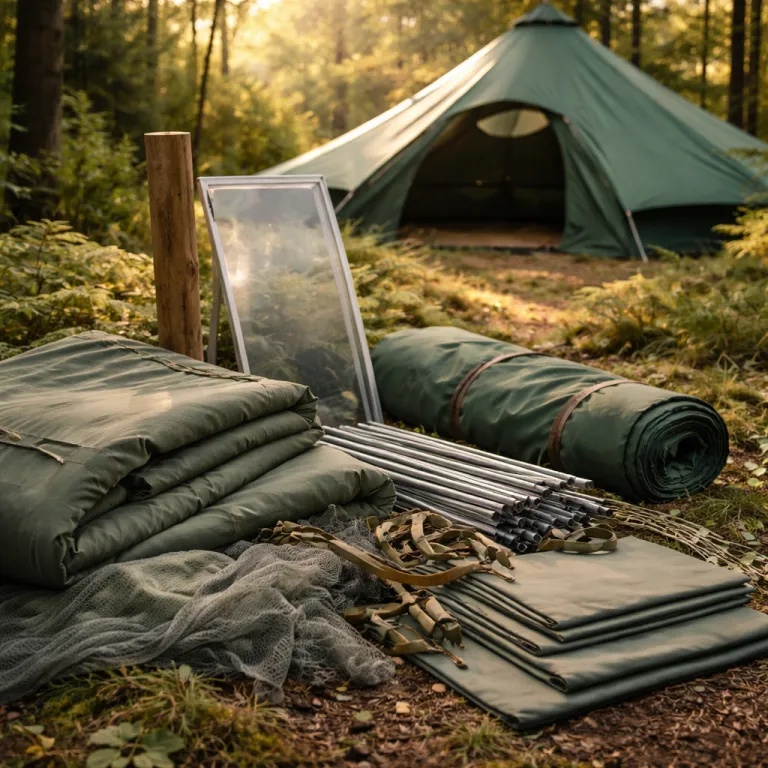
Why the best stargazing glamping tent starts with the sky, not the canvas
A refined stargazing glamping tent is less about décor and more about how cleanly it frames the night sky. When you book, the most important luxury is not the thread count on the bed but the Bortle class of the location, because a dark sky reserve in Patagonia will outshine any urban camp with the fanciest glass dome roof. Think of the tent as a lens that shapes your view of the stars rather than a portable room with a camping label.
Under Canvas has understood this with its dedicated Stargazer category, where a clear panel above the king size bed turns the Milky Way into the headboard. These stargazing tents pair a standard canvas shell with a precisely positioned skylight so each person can lie flat and watch a star drift past the ceiling curtain, which feels far more intimate than stepping outside to a shared telescope deck. The best stargazing experiences keep you horizontal and warm while the sky performs, instead of asking you to stand in the cold like a traditional camping tent setup.
Manufacturers now treat the stargazing tent as a serious product category, not a novelty. Phoenix Domes, for example, produces Teardrop Stargazer tents with skylights that curve over the bed, while Life in Tents offers Stella Stargazer yurt tents with transparent roof panels that stretch across generous family tents. Senleeto focuses on inflatable glamping dome tents with skylights, and these dome tent designs use aluminum alloy frames to support wide clear sections that frame the stars without distorting them.
The spectrum of sky view designs, from bell tents to full glass domes
Once you start comparing stargazing tents, you realise there is a full spectrum of sky view designs. At one end sit classic bell tents with a modest skylight or mesh apex, giving you a controlled glimpse of the stars while keeping the tent interior shaded by day. At the other extreme, fully transparent glass dome structures and inflatable domes wrap you in a 360 degree night sky, which can feel either thrilling or overexposed depending on the person and the camp setting.
For many couples, the sweet spot is a glamping tent that combines solid canvas walls with a targeted stargazing panel above the bed. Under Canvas uses this approach in its Stargazer units, and Life in Tents does something similar with its Stella Stargazer bell tent, where a clear crown above the king size bed lets you track each star without sacrificing privacy in the rest of the camping tents cluster. These designs work especially well in desert camps in Utah or Morocco, where the night sky is the main show and the tents camping layout is spaced generously.
Bubble style domes and fully transparent camping tent pods are visually dramatic but demand careful site selection and thoughtful ceiling curtain systems. A glass dome on a remote island or in a high altitude camp in the Alps can deliver the best stargazing conditions, yet you still need retractable panels or curtains to manage dawn light and temperature swings. For a deeper look at how refined canvas architecture shapes sleep quality under stars, the guide on the refined art of sleeping under the stars in luxury safari tents is an essential companion read.
Location, dark skies and the quiet luxury of real stargazing
Even the most advanced tent stargazer design fails if the sky above it is washed out by city glow. When you browse any price list on a luxury tent booking website, pay more attention to the map than to the product photos, because a simple standard bell tent in a Bortle Class 2 zone will beat a high tech dome in a suburban camp every time. Remote desert camping, high plateau camps in Patagonia and off grid island sites consistently deliver the best stargazing conditions for couples who care about the Milky Way more than minibar brands.
Dark sky quality is now a genuine booking filter for astronomy minded glamping guests. Some properties publish a clear list of their stargazing amenities, from telescopes and constellation maps to guided night walks that explain each star and planet visible from the camp. Others quietly rely on their geography, spacing person tents widely so every glamping tent feels like a private observatory, with only a soft ceiling curtain between your bed and the stars.
Practicalities still matter, especially when you move beyond a single romantic night into a longer stay. Check weather patterns, seasonal cloud cover and prevailing winds before you commit to a specific camping tent or dome tent category, and ask how the camp manages condensation on transparent panels during cold nights. For couples sensitive to noise, the analysis on why a 20 x 40 tent is the refined choice for elevated outdoor events also explains how canvas, structure and layout influence sound, which translates directly to how you will hear the night in a stargazing glamping tent.
Design details that separate a romantic stargazing tent from a gimmick
Romance sells the idea of sleeping under stars, but design details decide whether you actually enjoy the night. A well considered stargazing glamping tent will position the clear panel directly above the bed, use insulated glazing or layered mesh to reduce heat loss and integrate a ceiling curtain you can operate from your pillow. The aim is to let each person control how much night sky they invite in, rather than forcing everyone in the family to share the same level of exposure.
Look closely at the structure and materials when you compare bell tents, dome tents and hybrid designs. High quality aluminum alloy frames support larger transparent sections without flexing in the wind, which keeps the view of the stars crisp and reduces creaks that might wake a light sleeper in the camp. In family tents, check how the glamping tent divides space so parents can enjoy the best stargazing angle from a king size bed while children in adjacent person tents or annexes still feel part of the experience.
Interior layout matters as much as the sky window itself. A generous size bed placed centrally under the clear panel, a low glare lighting scheme and a restrained product list of furnishings all help your eyes adapt quickly to the night sky. For couples who value quiet luxury, the most successful camping tents keep the shop like merchandising out of the room, letting the stars act as the only decoration and using thoughtful touches such as hot water bottles or free herbal tea to fill the gap between comfort and spectacle.
How to read prices, amenities and FAQs when booking stargazing tents
Pricing for a stargazing glamping tent reflects both the hardware above your head and the darkness above the camp. Manufacturer data suggests that the average price for a quality stargazing tent structure hovers around one thousand US dollars, with an average capacity of four persons, and that baseline helps explain why nightly rates for luxury glamping often exceed standard camping prices. When you compare a price list across several properties, focus on what is genuinely included for free, such as telescope access, guided astronomy sessions or climate control, rather than on decorative extras.
Before you commit, read the property FAQ with the same care you give to room photos. Many serious operators now answer questions such as “What is a stargazing glamping tent?”, “Where can I buy a stargazing glamping tent?”, “How much does a stargazing glamping tent cost?”, “What amenities do stargazing glamping tents offer?” and “Are stargazing glamping tents suitable for all seasons?”, and those lines reveal how deeply they understand their own product. A camp that explains its tents camping specifications clearly, from the type of glass dome or skylight used to the exact size bed in each unit, usually runs a tighter operation on the ground.
Finally, remember that you can also purchase your own structure from specialists such as Phoenix Domes, Senleeto or Life in Tents and then choose your preferred camping location. These manufacturers sell both single stargazing tents and larger tents ranges, from compact bell tent models to expansive dome tent options suitable for family tents or small private camps. For a broader sense of how luxury tent stays succeed where hard walls fail, the feature on why the best luxury tent stays succeed where hotels fail is a useful reference when you weigh up your next night under the stars.
FAQ about luxury stargazing glamping tents
What is a stargazing glamping tent in practical terms ?
A stargazing glamping tent is a luxury tent with a transparent or mesh roof section positioned above the bed, designed to give clear views of the night sky while still providing insulation, privacy and hotel level comfort. Unlike standard camping tents, these structures often use rigid frames, glass dome panels or reinforced skylights to maximise the view of the stars. Many also include premium bedding, climate control and curated astronomy amenities such as telescopes or constellation maps.
Are stargazing tents suitable for all seasons ?
Many stargazing tents are engineered for year round use, but performance varies widely between bell tents, dome tents and inflatable domes. In colder seasons, look for double layered roofs, insulated transparent panels and efficient heating to prevent condensation and heat loss through the stargazing window. In hot climates, effective ventilation, shading options and a robust ceiling curtain system are essential to keep the interior comfortable during the day.
How many persons can typically sleep in a stargazing tent ?
Most dedicated stargazing glamping tents are designed for two to four persons, with an average capacity of four persons reported by several manufacturers. Couples usually opt for a king size bed under the main skylight, while family tents may add extra beds or annex person tents that still share some view of the night sky. When booking, always check the detailed layout rather than relying on generic person tents labels.
What should I check before booking a stargazing glamping stay ?
Before confirming a reservation, verify three essentials : sky quality, tent design and access logistics. Check weather patterns and light pollution levels for the camp location, then confirm that your specific glamping tent category includes a true stargazing panel above the bed rather than just a small roof vent. Finally, review how remote the camp is, what is included for free in the rate and whether the property offers clear information about safety, heating and night time services.
Can I buy my own stargazing tent instead of booking a stay ?
Yes, several specialist manufacturers sell stargazing tents directly to consumers through their official websites and selected retailers. Phoenix Domes, Senleeto and Life in Tents all offer models with skylights or transparent roof panels, ranging from compact bell tents to larger dome tent structures suitable for private camps. Expect an average purchase price around one thousand US dollars for a quality structure, then factor in the cost of a suitable camping location and supporting infrastructure.
Sources
- International Dark Sky Association
- Under Canvas official site
- Manufacturer information from Phoenix Domes, Senleeto and Life in Tents