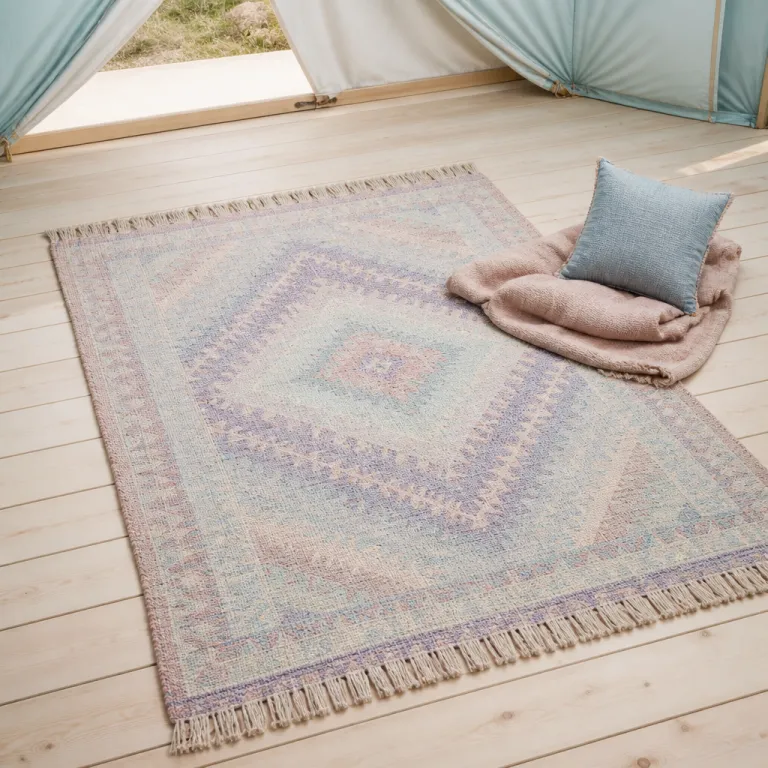
Why a refined tent rug defines true luxury under canvas
Stepping into a luxury tent should feel like entering a private suite, and the right tent rug is what quietly makes that transformation possible. A well chosen rug or carpet mat softens the tent floor, adds thermal insulation, and visually anchors the space so your camping tent feels curated rather than improvised. When you browse a premium booking website for luxury tents, pay close attention to how the tent rugs, mats, and carpets are styled in photos, because they reveal the property’s real design standards.
Specialist manufacturers now treat every tent rug as a serious product, using weaving machines, waterproofing treatments, and UV resistant coatings to achieve both comfort and durability. Their camping rugs and outdoor rug collections are designed to protect the tent floor, regulate temperature, and withstand outdoor camping conditions, which matters when you are paying a premium price for a bell tent or safari style suite. A substantial tent rug typically combines a dense weave with a non slip or waterproof backing, so it feels reassuringly solid underfoot without being too heavy for housekeeping teams to move between tents.
For guests, the practical benefits are immediate, because tent carpets and camping mats reduce dust, damp, and noise from the ground. A high quality camping rug or camping mat also protects the tent floor from luggage wheels and high heels, extending the life of the tents and keeping the sale price of each stay aligned with the level of comfort delivered. When comparing booking options, look for clear information about rug size, recycled materials, and whether the tent rugs are water resistant, since these details indicate how seriously the property treats both comfort and sustainability.
Deco strategies with tent rugs in luxury bell tents
Designers working on high end bell tent camps treat every tent rug as a central décor element, not an afterthought. In a circular bell tent, a half moon carpet mat placed at the entrance can frame the doorway, while an extra large tent carpet in the centre defines the lounge area and guides furniture placement. When you evaluate photos on a luxury booking platform, notice how rugs and mats visually divide the tent floor into sleeping, lounging, and dressing zones, because this zoning often predicts how comfortable the space will feel in reality.
Many premium properties use layered camping rugs and outdoor rug combinations to create depth, pairing a flat woven mat made from recycled materials with a softer rug camping accent near the bed. This layering not only enhances aesthetics but also improves insulation, since tent rugs provide thermal insulation from the ground and help stabilise temperature during cool nights. If you are sensitive to sound, pay attention to how much of the tent floor is covered by carpets and mats, then read in depth reviews or guides such as the analysis of acoustic comfort in luxury tents on this sound focused luxury tent guide, because more textile coverage usually means a quieter, more restful stay.
From a practical angle, ask the property whether their tent rug products are waterproof or at least feature a waterproof backing, especially if the bell tent opens directly onto grass or sand. Many high end operators now choose camping rugs with recycled content or plastic straw style fibres that resist stains and can be shaken out quickly between guests. When you see coordinated tent rugs, camping mats, and outdoor camping runners in the gallery, it signals that the décor concept has been carefully planned, which is a strong indicator of overall service quality.
Materials, recycled content, and the feel of sustainable luxury
Material choice for a tent rug shapes not only the look of your luxury tent but also the environmental footprint of your stay. Manufacturers increasingly use recycled materials and recycled content in their camping rug and outdoor rug lines, responding to travellers who want both comfort and sustainability. Some products use plastic straw style fibres that mimic natural textures while remaining easy to clean, while others blend cotton and synthetic yarns to balance softness with waterproof performance.
When you read a property description, look for explicit references to recycled materials, recycled content, and eco friendly tent rugs, because these details show that sustainability is integrated into the design rather than added as marketing language. Many luxury camps now specify whether their tent carpet or camping mat is machine washable, whether the backing is waterproof, and how often the rugs are rotated between tents to maintain freshness. For guests who care about air quality and scent, the combination of natural fibres, cleanable mats, and thoughtful fragrance design is explored in depth in resources such as this guide to atmosphere and scent in glamping properties, which can help you interpret how textiles contribute to the overall ambiance.
On the ground, you will feel the difference between a thin camping mat and a dense tent rug as soon as you step inside barefoot. A heavier carpet mat with recycled content insulates better, dampens sound, and makes the tent floor feel more like a private residence than a temporary camping tent. When a booking page lists specific rug products, sizes, and materials, it becomes easier to judge whether the sale price of the stay aligns with the quality of the tent rugs and mats you will actually experience.
Choosing the right tent rug size and layout for your stay
For guests booking luxury tents, understanding tent rug size and layout helps you anticipate how the space will function. In a standard bell tent used for two guests, an extra large circular tent carpet that nearly reaches the canvas walls creates a seamless look, while smaller mats can be placed at the entrance and beside the bed. When you see floor plans or photos, check how much of the tent floor is covered by rugs and mats, because large bare patches often mean colder feet and more visible dust.
High end operators usually combine several products to achieve both practicality and style, such as a central camping rug, bedside mats, and a durable outdoor rug on the deck or terrace. Properties that host families sometimes add half moon mats near children’s beds or play corners, using different textures to signal zones without adding physical barriers. When you compare booking options, look for descriptions that mention specific rug sizes in metres, since this allows you to imagine circulation paths and decide whether the layout suits your habits, such as yoga, reading, or working on a laptop.
For coastal stays, a beach focused luxury tent might feature plastic straw style outdoor camping mats that can handle sand and salt, paired with softer tent rugs inside for comfort. In forest or mountain settings, thicker camping rugs and carpet mats are preferable, because they provide more insulation from the ground and help keep the tent floor dry. If the property offers customisation options, you can sometimes request extra mats or tent rugs for a small additional price, which is worthwhile when travelling with children or planning a longer stay.
From beach to mountains : how tent rugs adapt to different environments
Luxury tent stays now span beach dunes, vineyards, forests, and desert plateaus, and the tent rug strategy should adapt to each environment. On the coast, outdoor camping areas benefit from plastic straw style outdoor rug products that dry quickly and resist salt, while indoor tent carpets remain softer and more insulating. When you browse a booking website, check whether the property uses different camping rugs and mats for exterior decks and interior tent floors, because this separation keeps sand and moisture under control.
In cooler mountain or forest locations, the tent rug becomes a key thermal layer between the tent floor and the ground. Many operators choose camping rugs with waterproof backing to block rising damp, then add extra large carpet mats in lounging zones to create a warm, cocooning ambiance. For guests who plan to spend long evenings inside the camping tent, this combination of mats and tent rugs significantly improves comfort and reduces the need for high heating levels, which supports both sustainability and cost control for the property.
Desert and savannah style camps often use lighter weight tent rugs from specialist outdoor manufacturers, whose products are designed to be weather resistant yet easy to move for cleaning. In these climates, a mix of camping mats and tent carpets allows staff to adapt quickly to dust storms or sudden showers, rolling up rugs when needed and protecting the tent floor. When you see this level of textile management described in the property details, it signals a professional équipe that understands how to maintain both aesthetics and hygiene across changing outdoor conditions.
What to look for on a booking website : price, options, and service
When you compare luxury tent stays online, the way a property presents its tent rug strategy can help you judge value for money. A transparent listing will specify the type of camping rug or tent carpet used, the size of the main rug, and whether the materials include recycled content or recycled materials. If the sale price of a stay is high but the description of rugs, mats, and carpets is vague, that is often a sign that textiles have not been prioritised in the design.
Look for booking pages that detail cleaning routines, such as whether tent rugs are machine washable, how often camping mats are replaced, and whether waterproof backings are inspected regularly. Some operators partner with outdoor retailers and camping equipment suppliers to source higher grade products, and they sometimes mention well known brands directly in their descriptions. When a property explains that its tent rugs enhance comfort and insulation inside tents, and that they are designed for easy maintenance and portability, you can trust that the équipe has considered both guest experience and operational efficiency.
Service details also matter, including delivery options for add on products such as extra large outdoor rugs, additional camping mats, or half moon entrance mats that you can request in advance. Loyalty programmes in the wider camping world show how regular travellers value consistent comfort, and luxury tent operators increasingly mirror this mindset by standardising rug camping quality across their tents. For events or multi tent bookings, it is worth reading guides such as the analysis of refined event structures on this elevated outdoor tent guide, then asking the property how their tent floor coverings compare, so you can align expectations with the level of textile comfort provided.
Key figures about tent rugs in luxury camping
- High quality tent rugs are typically described by their dimensions and material density rather than just weight, which helps guests understand how much of the floor will be covered and how cushioned the surface will feel underfoot.
- Industry surveys show that a significant share of campers now use tent rugs or camping mats, reflecting growing awareness of how textiles improve comfort, cleanliness, and tent floor protection.
- Luxury tent operators increasingly adopt recycled materials and recycled content in their camping rug products, reflecting a broader shift toward sustainable textiles in the outdoor hospitality sector.
- Specialist manufacturers focus on waterproof backings and UV resistant coatings, which extend the lifespan of tent carpets and reduce long term replacement costs for premium properties.
FAQ : tent rugs and luxury tent stays
Are tent rugs waterproof in luxury tents ?
Many tent rugs feature waterproof backings, especially in high end bell tent and safari style properties where protecting the tent floor is essential. On booking pages, look for mentions of waterproof or water resistant camping rugs and outdoor rug products, particularly if the tent opens directly onto grass, sand, or a beach. If the description is unclear, contact the property and ask specifically whether the main tent carpet and entrance mats have waterproof layers.
How are tent rugs cleaned between guests ?
Most tent rugs are either machine washable or easy to shake out, which allows housekeeping teams to maintain high hygiene standards in luxury tents. Properties often combine vacuuming, spot cleaning, and periodic deep washing of camping mats and carpets, depending on the material and backing. When a booking website explains its cleaning routine for tent rugs and mats, it signals a serious approach to both cleanliness and guest comfort.
Do tent rugs really improve insulation and comfort ?
Yes, tent rugs provide thermal insulation from the ground, which makes a noticeable difference in both temperature and underfoot comfort. A dense camping rug or carpet mat reduces heat loss through the tent floor and softens the feel of the ground, especially in cooler climates. For guests who plan to walk barefoot or sit on the floor, investing in a property with high quality tent rugs and camping mats significantly enhances the stay.
What tent rug materials are best for sustainable luxury ?
For sustainable yet comfortable luxury, look for tent rugs made with recycled materials, recycled content, or plastic straw style fibres that are durable and easy to clean. Properties that specify these materials in their product descriptions usually work with specialised manufacturers and pay attention to lifecycle impacts. Natural fibre blends can also work well when combined with waterproof backings, as they balance tactile comfort with practical performance.
How should I evaluate tent rugs when choosing a luxury tent online ?
When comparing properties, study photos to see how much of the tent floor is covered by rugs and mats, then read descriptions for details on size, materials, and maintenance. A clear explanation of camping rug types, outdoor rug placement, and cleaning routines suggests a thoughtful design approach. If tent rugs, camping mats, and carpets are barely mentioned, consider asking the property for more information before confirming a high sale price booking.
Expert answers from manufacturers
Are tent rugs waterproof? How do I clean a tent rug? Do tent rugs provide insulation?