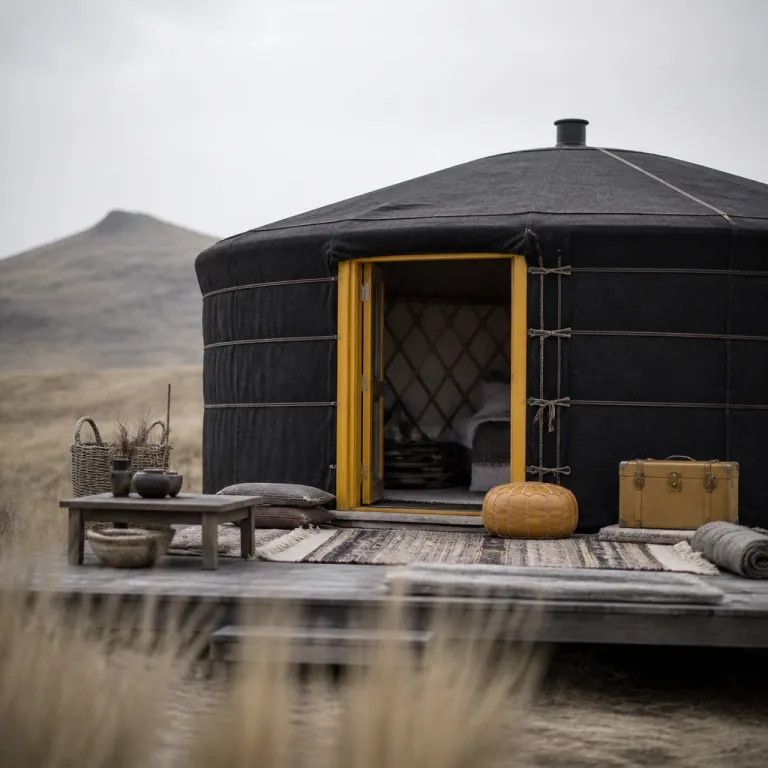
Seasonal family glamping as living tent history
Early autumn is when traditional tent heritage and glamping culture feel most vivid for families. Cooler evenings invite stories around the fire, and children finally notice how the canvas shelters above them echo nomadic shelters that once crossed deserts, steppes and tundra. Choosing glamping tents with a clear sense of history turns a simple weekend away into layered cultural experiences.
Across the global tourism landscape, modern glamping now borrows confidently from Bedouin black tents, Mongolian gers, Sami lavvo and Plains Nations tipis, yet not every resort handles this heritage with equal care. The most thoughtful glamping sites explain how each tent design solved real problems of wind, heat and cold, and they invite guests to engage with that history rather than treating a conical tent or tipi as mere décor. When you browse luxury camping options for the school holidays, look for properties that name the traditions they reference, credit the communities behind them and share who benefits from each stay, ideally with specific partners and projects described.
Industry data shows the global glamping market already worth several billion dollars, with a double digit annual growth rate that is reshaping outdoor travel expectations. A 2023 report from Grand View Research, for example, valued the sector at over USD 3.1 billion with a projected CAGR above 10% through 2030 (Grand View Research, 2023, pp. 3–4), while a 2022 Arizton study highlighted strong family demand in Europe and North America and forecasted continued expansion (Arizton Advisory & Intelligence, 2022, pp. 12–15). In this context, traditional camping and modern glamping are no longer opposites, but points on a spectrum where tent designs, materials and cultural narratives matter as much as thread count.
Bedouin black tents and desert inspired modern glamping
On winter sun escapes to Jordan’s Wadi Rum or Oman’s Wahiba Sands, you will see how Bedouin Nomads still influence traditional tent design and glamping aesthetics. The classic beit al sha'r, or Bedouin black tent, uses tightly woven goat hair field cloth that swells in rare rain yet breathes in fierce heat, a principle now echoed in high performance glamping tents that blend natural fibres with technical materials. When a desert resort claims Bedouin inspiration, ask whether its tent designs follow these ventilation logics or simply copy the stripes.
Families booking luxury camping in these landscapes should look for low slung tents aligned with prevailing winds, shaded outdoor seating and modular tent design that can expand for multi generational guests, just as nomadic shelters once expanded for extended clans. Some modern glamping sites in the Arabian Peninsula now invite local artisans from tribes such as the Howeitat in southern Jordan or Al Wahiba Bedouin in Oman to weave panels on site, turning the tent itself into a living gallery of regional craft rather than a generic canvas shell. As one Wadi Rum host explained to the UN World Tourism Organization in a 2021 sustainable tourism case study, “When guests see the weaving and hear the stories, they understand this is not just decoration, it is our history” (UNWTO, 2021, p. 47). This is where glamping history, cultural respect and contemporary comfort intersect most convincingly.
For parents, the seasonal sweet spot runs from late autumn to early spring, when daytime temperatures allow children to explore the dunes without harsh heat and evenings are cool enough to appreciate the insulating power of traditional cloth and gold toned textiles. Pack light camping gear for short walks only, because the best desert resorts handle logistics while you focus on stargazing and stories about Bedouin Nomads who once navigated these same routes. Respect local customs, dress modestly and choose eco friendly glamping sites that minimise vehicle traffic across fragile sand ecosystems.
From Mongolian ger to Sami lavvo and Plains Nations tipis
Head north in spring and early summer, and a different strand of traditional tent heritage and glamping culture comes into focus. In Mongolia, the circular ger, often called a yurt in tourism marketing, uses a lattice wall, central compression ring and radial roof poles to create astonishing stability in high winds, a structural logic now echoed in many modern glamping domes. When you book family friendly glamping experiences in Central Asia or its European echoes, ask whether the interior layout respects the ger’s symbolic zoning or simply imitates its silhouette.
Farther north, Sami lavvo structures in Scandinavia offer another lesson in conical tent engineering that now shapes winter ready glamping tents. Traditionally built from wooden poles and reindeer hides, the lavvo’s steep angles shed snow efficiently, a principle now translated into insulated conical tent designs that keep guests warm during Arctic outdoor adventures under the aurora. Responsible glamping sites in Norway and Sweden often collaborate with Sami hosts from communities such as the Reindeer Herding Districts in Finnmark, and families should prioritise these partnerships when choosing where to stay; a 2020 UNWTO Nordic tourism brief notes that such co-managed camps can significantly increase local income while protecting reindeer herding routes (UNWTO, 2020, pp. 88–90).
Across north America, the tipi of several Plains Nations has become a powerful yet frequently misused icon within tourism and camping trends. Commercial bell tents and safari tents sometimes borrow the tipi profile without acknowledging Native American cultures, so families should favour operators who name the specific Nations involved, such as Lakota, Blackfoot or Crow, and share their perspectives on glamping history. When children sleep in such tents near a national park, that stay can either reinforce stereotypes or open a respectful conversation about land, history and living communities.
Choosing culturally grounded luxury glamping for your next season
As summer booking windows open, families scrolling through glamping sites face a flood of canvas, from safari tents in African conservancies to field cloth toned bell tents in European forests. The most rewarding traditional tent heritage stays share three traits: they explain which nomadic shelters inspired their tent designs, they use materials suited to the climate rather than generic PVC, and they invest in local guides who can speak to history as fluently as to wildlife. When comparing rates, remember that a higher price does not always equal deeper cultural engagement.
For African journeys, where safari tents dominate the imagery, read property descriptions carefully and look for mentions of seasonal migration, community conservancies and eco friendly operations rather than only plunge pools and private decks. If you are weighing whether to allocate more budget to a mobile camp or a permanent resort, this detailed guide on how much an African luxury tent safari really costs at LuxuryTentStay’s cost breakdown for African luxury tent safaris offers a useful benchmark. In every region, the most meaningful glamping experiences tend to be those where outdoor comfort supports, rather than replaces, a genuine connection to place.
Before you confirm any booking, ask three practical questions about design and impact: How does the tent design respond to local weather, how are glamping tents powered and heated, and what role do nearby communities play in guiding tourism activities? As one industry explainer from a leading outdoor hospitality association puts it, “What is glamping? Glamorous camping combining comfort with nature,” “How do traditional tents influence glamping? They inspire designs and cultural themes,” and “Is glamping environmentally friendly? Many sites prioritize sustainability,” and the most thoughtful operators live up to each part of that promise.
Seasonal packing and planning tips for families
For shoulder season trips in Europe or north America, pack layered clothing, compact camping gear for short hikes and soft bags that slide easily under low tent frames. Children will appreciate small headlamps, sketchbooks and simple field guides that turn national park walks into self led outdoor adventures. Parents should bring a light scarf or shawl for cooler evenings, especially in desert or highland glamping sites where temperatures drop quickly after sunset.
FAQ
How does traditional tent design influence modern family glamping ?
Traditional tent design shapes modern glamping by providing time tested solutions for wind, rain, heat and cold that designers now adapt with contemporary materials. Bedouin black tents inform breathable desert shelters, Mongolian gers inspire circular layouts and Sami lavvo structures guide snow shedding conical tent forms. When families choose glamping sites that explain these links, every night under canvas becomes a lesson in living history rather than a themed sleepover.
What is the difference between traditional camping and luxury glamping tents ?
Traditional camping usually means bringing your own tents and camping gear, accepting minimal comfort and handling all logistics yourself. Luxury glamping tents, by contrast, offer real beds, curated interiors, private bathrooms and hosted experiences that feel closer to a small resort while still keeping you in an outdoor setting. For families, this shift allows children to enjoy nature and outdoor adventures while parents retain a level of comfort that makes longer stays realistic.
Are culturally themed glamping sites respectful of native traditions ?
Some culturally themed glamping sites work closely with Native American communities, Sami hosts or Bedouin families, while others use tipis, lavvo or black tents as generic décor. Respectful properties credit the specific cultures behind their tent designs, share accurate glamping history and often involve local partners as guides or storytellers. When booking, look for clear information about these collaborations and avoid sites that treat powerful symbols as anonymous props.
Which season is best for family glamping in desert or steppe regions ?
Desert and steppe regions are most comfortable for family glamping during cooler months, when daytime temperatures stay manageable and nights are crisp rather than freezing. In these seasons, the thermal qualities of goat hair field cloth, insulated canvas or layered materials in safari tents work with the climate instead of against it. Always check typical temperature ranges and wind patterns for your travel dates, then choose tent designs that match those conditions.
How can I ensure my glamping stay is eco friendly and low impact ?
To keep your glamping stay eco friendly, prioritise sites that use renewable energy, minimise permanent foundations and manage water carefully. Ask how waste is handled, whether local materials are used in tent designs and how the resort supports nearby communities through employment or cultural programmes. Simple guest choices, such as limiting linen changes and joining guided walks instead of self driving, also reduce your footprint while enriching your overall experiences.
Sources
Grand View Research, “Glamping Market Size, Share & Trends, 2023–2030” (2023), market overview and forecast, pp. 3–4; Arizton Advisory & Intelligence, “Glamping Market – Global Outlook and Forecast 2022–2027” (2022), family demand and regional trends, pp. 12–15; UN World Tourism Organization, “Tourism for Sustainable Development in Least Developed Countries” (2021), Wadi Rum community based tourism case study, p. 47; UN World Tourism Organization, “Tourism in the Nordic Countries: A Regional Perspective” (2020), Sami tourism and reindeer herding routes, pp. 88–90.