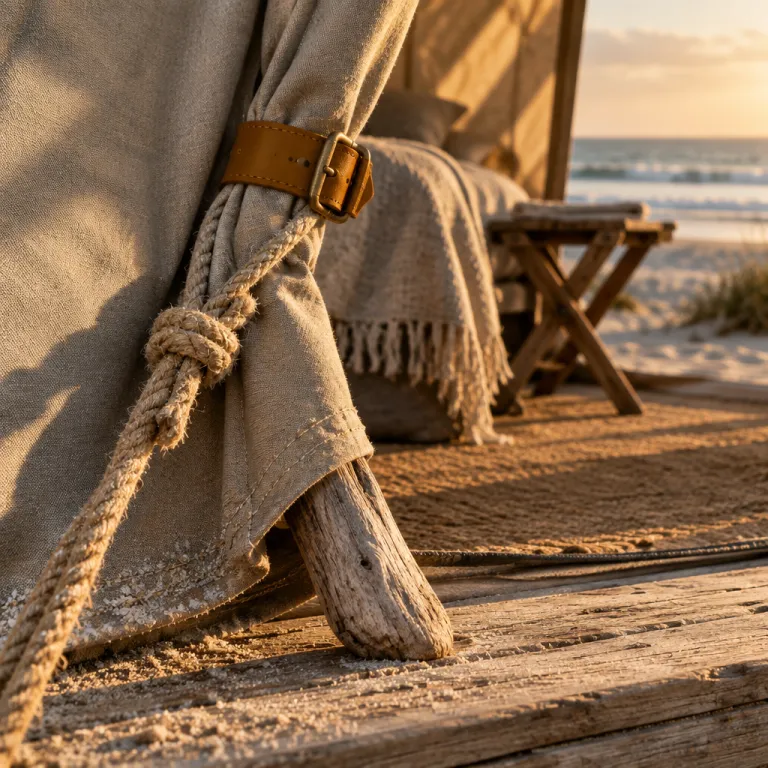
Coastal glamping luxury tent stays: what really sets them apart
Why coastal glamping luxury tent ocean stays feel different
Coastal glamping in a luxury tent by the ocean begins with sound rather than sight. The first thing you register is the low Atlantic or Pacific rumble, a natural white noise that no inland camping or forest retreat can reproduce with such depth. Under canvas, that soundtrack turns a simple tent into a tuned instrument, amplifying every shift in tide and wind.
On the California coast, from Big Sur headlands to quieter Sonoma coves, the best seaside glamping sites lean into this acoustic experience instead of fighting it. Hosts choose heavier canvas for safari tents and bell tents, add insulated linings, and orient openings so the wave roar softens to a hush rather than a constant crash. You feel the great outdoors pressing close, yet the interior remains calm enough for a long sleep or a late glass of wine from nearby wine country vineyards.
Salt air shapes everything in these coastal tented retreats, from hardware to housekeeping routines. Metal zips and bell tent pegs corrode faster, so serious operators schedule more frequent maintenance cycles and invest in marine grade fittings. When you compare a cliffside tent on the coast with a river valley camp or a farm stay inland, the price premium suddenly makes sense because the upkeep burden is simply higher.
Salt, wind and sand: the material reality behind the romance
Behind every photogenic coastal glamping stay in a luxury tent by the sea lies a quiet engineering project. Salt works its way into seams, guy lines and even the stitching on safari tents, so the most resilient glamping sites use double stitched canvas, stainless steel fixings and raised wooden platforms. This is not decorative detail; it is what keeps a tent standing through a week of onshore gusts.
Wind exposure is the second coastal truth that separates serious camping glamping from a tent with a markup. On exposed stretches of the California shoreline or the bluffs near Big Sur, you will see lower tent profiles, extra guy points and discreet windbreak fences that protect both bell tent doors and glamping pod decks. Properties that ignore this reality end up closing sites more often, while those that respect it can offer a reliable outdoor experience even when the forecast looks lively.
Sand management is the final, unglamorous frontier that defines honest friendly glamping by the ocean. Elevated decks, outdoor showers and double entry vestibules keep beach sand outside, while well placed fire pit areas and hot tub platforms sit just far enough from the surf line to stay clean. For a deeper look at how landscapes from Big Sur cliffs to African plains shape canvas stays, read the guide on how landscape shapes the tent experience and you will see the same coastal logic at work worldwide.
From Long Beach to Sonoma county: where coastal tents earn their stripes
Some oceanfront glamping properties wear their environment lightly, while others are built from the tide line up. On Washington’s Long Beach Peninsula, Snow Peak Campfield has become a reference point for how a glamping resort can sit between beach and forest without losing either side. The team there answers guest questions with disarming clarity, stating for example: “What amenities are included? Heated cabins, luxury tents, and Japanese-style spas,” a line taken directly from their published FAQ at the time of writing.
Nightly rates for a canvas tent at Snow Peak Campfield typically sit in the low to mid hundreds of US dollars depending on season, according to recent publicly listed prices, reflecting both the coastal setting and the investment in high end camping gear. You are paying for more than a bed; you are paying for the maintenance that salt air demands, the extra anchoring that winter storms require, and the thoughtful layout that keeps family friendly areas away from late night fire pit gatherings. For solo travelers, that balance between sociable and quiet zones often matters more than any thread count.
Farther south, Sonoma County offers a different flavour of coast, where wine country hills roll almost to the surf and state park trails drop from forest to beach in a single afternoon. Here, glamping sites often pair bell tent clusters with tiny house cabins, giving guests a choice between pure canvas and insulated walls when the marine layer drifts inland. Couples seeking a romantic yet honest coastal stay should look at this region through the lens of what couples should look for beyond the fairy lights, prioritising privacy, soundscape and wind protection over decorative props.
Designing a tent for the coast: from bell tent to glamping pods
Canvas on the coast has to work harder than canvas in a valley. A classic bell tent looks beautiful against a glamping beach backdrop, but its high profile can catch crosswinds unless the guying pattern is meticulous and the pegs are driven deep into dense sand or soil. Many operators now mix bell tents with lower safari tents and compact glamping pods to create a more wind tolerant layout.
Inside, the best oceanfront glamping interiors are edited rather than overfilled. Raised beds, simple rugs and minimal furniture make it easier to sweep out sand, while built in storage keeps gear off the floor and away from damp corners after a late beach or river walk. Where space allows, a private hot tub on a deck or a sheltered outdoor shower turns a simple tent into a small spa, especially when paired with a view of the coast at first light.
Lighting and heat are the final design levers that separate a merely pretty tent from a genuinely comfortable one. Soft, low wattage lamps preserve the night sky, and if you care about stargazing you should read the dedicated guide to stargazer tents and skylight canopies before you book. On cooler stretches of the California coast or near breezy state park headlands, a small wood stove or efficient heater makes early mornings feel indulgent rather than bracing.
Planning your coastal glamping route: from San Francisco to San Diego
Route planning is where a coastal glamping luxury tent road trip becomes genuinely rewarding for independent travelers. Starting near San Francisco, you can move from wine country hills and Sonoma farm stays to cliff edge camping glamping sites around Big Sur, then on to softer beach glamping enclaves closer to San Diego. Each stop offers a different balance of park access, river estuaries and open coast, so think about which landscapes you want to wake up to most often.
For a first journey, aim to mix at least one state park adjacent camp with a more polished friendly glamping resort. The former gives you direct access to long coastal trail networks and wilder beaches, while the latter might offer extras such as a private hot tub, guided wine tastings or organised family friendly activities. If you are travelling with a family, look for sites that clearly separate quiet zones from communal fire pit areas, and that mention both tents and tiny houses or pods to give everyone a comfortable sleep.
Booking early is essential on the California coast, where land scarcity, strict permitting and infrastructure costs keep capacity low and prices firm. Coastal counties often cap new overnight units or require multi-year environmental reviews, so supply grows slowly even as demand rises. For example, the California Coastal Commission generally requires coastal development permits for new visitor accommodations, which can add years to project timelines. Properties near major hubs such as San Francisco and San Diego fill quickly, especially those that sit within easy reach of both a protected park and a swimmable glamping beach. When you read listings, pay attention to how honestly they describe wind, access to the great outdoors and proximity to other sites, because transparency here is often the best indicator of overall quality.
FAQ
What amenities can I expect at a coastal glamping resort ?
Most serious coastal glamping resorts now offer proper beds, quality linens and some form of heating, whether in canvas tents, safari tents or compact glamping pods. At Snow Peak Campfield on Washington’s coast, for example, guests are told clearly: “What amenities are included? Heated cabins, luxury tents, and Japanese-style spas.” Many coastal properties also provide private decks, fire pit areas, and easy access to the beach or nearby park trails. Where images appear in listings, look for descriptive alt text such as “oceanfront luxury tent with deck and fire pit” to confirm what you will actually find on site.
How is coastal glamping different from regular camping by the sea ?
Coastal glamping replaces basic camping gear with higher quality structures, better mattresses and more thoughtful layouts that address wind, salt and sand. You still feel close to the ocean, but raised platforms, vestibules and outdoor showers keep interiors cleaner and drier than a standard tent pitched on the beach. The result is an outdoor experience that keeps the sensory drama of the coast while reducing the discomfort that often comes with it.
Is coastal glamping suitable for families with children ?
Many coastal glamping sites are explicitly family friendly and design their layouts accordingly. Look for properties that separate quiet sleeping zones from communal fire pit or social areas, and that offer easy access to gentle beach sections or short state park trails. Family groups often appreciate a mix of tents and tiny houses or pods, so children can sleep soundly even when the wind picks up.
How far in advance should I book a coastal glamping stay ?
Coastal glamping capacity is limited because shoreline land is scarce and permits are tightly controlled. On popular stretches of the California coast near San Francisco, Sonoma County or San Diego, it is wise to book several months ahead, especially for weekends or school holidays. More remote river estuaries or farm adjacent sites may have better last minute availability, but the most sought after oceanfront tents rarely sit empty.
What should I pack for a coastal glamping trip ?
Even when you book a fully equipped tent, coastal weather can shift quickly, so pack layers, a windproof outer shell and footwear that handles both sand and damp trails. A small dry bag helps protect electronics from salt air, and a headlamp remains useful for late walks between tents and shared facilities. Most glamping resorts provide basics such as bedding and cooking gear, but it is worth checking the property’s equipment list before you travel.