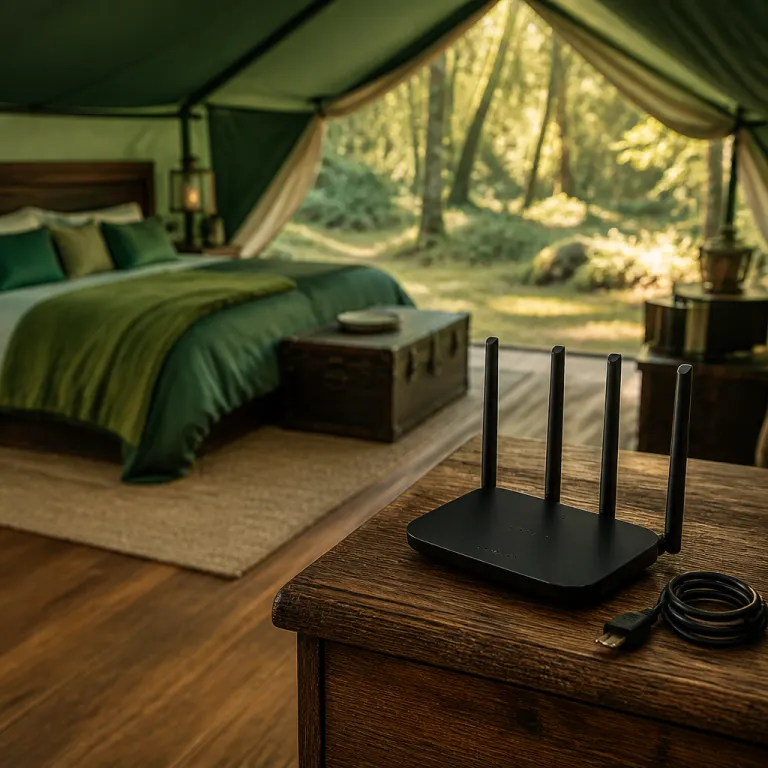
Redefining glamping wifi connectivity expectations at $600 a night
Luxury tent travelers arrive with glamping wifi connectivity expectations shaped by city hotels and airport lounges. They assume the wifi network will feel invisible yet omnipresent, with high speed internet access that lets them move from video calls to wildlife watching without friction. When the signal falters at a remote campsite, the gap between marketing promises and the lived guest experience becomes painfully clear.
Operators know that guests paying around 600 USD per night expect reliable connectivity as a baseline, not a bonus. In recent surveys, roughly a third of premium campgrounds in the USA report recurring campground internet issues, even while raising nightly rates and expanding outdoor hospitality offerings. That tension between price and performance is now the defining test of trust for any park or campground positioning itself at the luxury end of camping wifi.
For business leisure travelers, the stakes are higher than a missed movie stream. Many arrive as digital nomads for part of the week, needing a wifi system that supports work obligations before they lean into stargazing and slow mornings. When campgrounds offer only patchy coverage or a single overloaded guest wifi network, the entire guest experience can unravel within hours. This is why glamping wifi connectivity expectations must be set with precision long before anyone unzips a tent flap.
The new workation tent: when executives need to stay connected
For executives extending business trips into leisure, glamping wifi connectivity expectations are non negotiable. They may accept a lantern lit path to the tent and a wood fired hot tub, but they still need campground wifi robust enough for early morning video calls and late night inbox triage. In this segment, the promise is simple ; guests should be able to work efficiently, then close the laptop and step straight into the dark silence of the park.
Properties that court this audience invest heavily in internet solutions that balance coverage with discretion. A well designed wifi network uses low profile access points hidden in trees or under decking, creating high speed connectivity in work zones while keeping the campsite itself visually uncluttered. Some of the most forward looking parks campgrounds now map signal strength as carefully as they map hiking trails, ensuring that every guest who needs to stay connected can find a reliable connectivity zone within a short walk.
In the United States, several Texas properties have become case studies in this hybrid model of outdoor hospitality. At high end desert and hill country campgrounds, you will often find dedicated co working yurts or canvas pavilions with strong guest wifi, ergonomic seating and even spa like comforts nearby, similar in spirit to the wellness focused stays highlighted in Texas camping escapes with hot tubs and spa like comforts. Here, the front desk team is trained to explain exactly where the wifi signal is strongest, how the network is segmented for security and what internet access you can realistically expect inside your tent.
Designing wifi systems for wild places: tech behind the canvas
Behind every seamless online meeting in the savannah or forest, there is a surprisingly complex wifi system. Remote campgrounds rely on layered internet solutions that might combine fiber backhaul near the park entrance, point to point radio links across ridges and satellite internet for the final stretch to a secluded campsite. Each hop in that network introduces potential weak points, from weather sensitive antennas to power hungry routers.
Forward thinking operators now treat connectivity as a core part of outdoor hospitality design, not an afterthought. They work with technology consultants and internet service providers to model coverage across the park, then position access points where terrain and foliage will not strangle the signal. In some cases, Starlink or similar satellite services provide the backbone, while local mesh networks distribute campground wifi to communal decks, fire pits and shared lounges where guests naturally gather.
For travelers, the visible clues are subtle but telling. A property that has invested properly in campground internet will usually mention redundant power supplies, clear wifi network naming and even digital management tools that monitor speed and uptime. You might also see thoughtful touches such as printed guidance on how to stay connected during storms, or staff trained to reset equipment quickly rather than shrug at a dropped signal. These details matter as much as elegant hot water setups, the kind of refined comfort explored in guides to elegant ways to enjoy hot water heaters for camping in luxury tent stays.
The deliberate disconnect: when no signal is the real luxury
Not every luxury tent stay aims to meet conventional glamping wifi connectivity expectations. Some of the most memorable camps now position the absence of wifi as a defining feature, promising guests a rare chance to hear the forest rather than the ping of notifications. At places like Sami Safari Camp in Norway, the lack of a wifi network is framed as a conscious design choice, not a cost saving omission.
These properties still think carefully about connectivity, but they draw the line differently. Instead of full campground wifi, they may offer a single emergency internet access point near the front desk or guide hut, with clear boundaries around usage. Guests are encouraged to treat that signal as a safety net rather than a streaming service, while the campsite itself remains a zone where phones become cameras and torches, not portable offices.
For business leisure travelers, this model can be both confronting and liberating. The key is honest communication so that glamping wifi connectivity expectations are recalibrated before arrival, not at check in. When a park explains that there is no guest wifi in tents, no camping wifi in communal fire circles and only limited connectivity in one corner of the park, guests can choose whether they want a true digital sabbatical or a more connected stay. That clarity protects both the guest experience and the operator’s reputation.
Setting and managing glamping wifi connectivity expectations before arrival
The most sophisticated luxury tent operators now treat wifi communication as carefully as they curate linens or wine lists. They know that guests arrive with glamping wifi connectivity expectations shaped by urban life, and that any mismatch between promise and reality can trigger negative reviews faster than a rainstorm. As one industry FAQ puts it with blunt accuracy : “Do all glamping sites offer reliable Wi-Fi? No, Wi-Fi reliability varies; confirm before booking.”
On well run booking platforms, you will see detailed breakdowns of wifi coverage by zone. Listings specify whether there is guest wifi in tents, only in main lodges or not at all, and whether the wifi system supports high speed activities such as video calls or only light browsing. Some parks campgrounds now publish average speed ranges and latency figures, acknowledging that while they cannot guarantee perfect internet access in every weather pattern, they can at least frame realistic campground internet expectations.
For travelers, the smartest move is to interrogate these details before committing to a 600 USD nightly rate. Ask the front desk or reservations équipe whether the wifi network reaches your specific tent, whether digital nomads routinely work from the property and what backup solutions exist during outages. Articles such as the loyalty focused analysis on how major hotel groups turned canvas into a loyalty points category show how seriously big brands now take guest experience in this space, and independent camps must match that transparency to compete.
From outages to opportunity: how operators respond when the wifi drops
Even with the best planning, remote networks fail. Storms knock out satellite dishes, power cuts silence routers and suddenly a full park of guests is offline, testing glamping wifi connectivity expectations in real time. For a luxury tent operator, the difference between a minor inconvenience and a reputational crisis lies in how quickly and clearly they respond.
Experienced teams treat wifi outages as a service disruption, not a mere technical glitch. They deploy management tools to diagnose whether the issue sits with the local wifi system, the upstream internet provider or a single overloaded access point near a busy campsite. While technicians work, the front desk communicates timelines, offers alternative activities and, where possible, creates temporary connectivity hubs in areas where the signal remains usable.
Guests notice this choreography. When a park acknowledges the problem, explains the limits of its internet solutions and offers gestures such as complimentary drinks, printed maps or extended check out, frustration softens. Some operators even provide portable hotspots or shuttle runs to nearby parks or cafés with reliable connectivity, ensuring that digital nomads can still meet deadlines. Over time, this level of care turns a fragile moment into proof that the property values the guest experience as much as any view or canvas suite.
FAQ
Do all luxury glamping sites provide reliable wifi for work?
No. Many high end campgrounds offer some form of wifi network, but reliability varies widely between parks and even between individual tents. Always ask whether the signal reaches your specific campsite and whether the speed is sufficient for video calls if you plan to work.
How can I check glamping wifi connectivity expectations before booking?
Read listing details carefully, then email or call the front desk with precise questions about coverage, speed and any known dead zones. Ask whether guests regularly work from the property, whether there are dedicated connectivity zones and what happens if the internet fails during your stay.
What should I pack if campground wifi might be unreliable?
Bring an unlocked phone with a local SIM card or eSIM as a backup hotspot, plus any offline files you might need for work. Download maps, entertainment and key documents in advance so that a weak signal at the park does not derail your plans.
Can I expect guest wifi inside every luxury tent?
Not always. Some properties provide full guest wifi coverage inside tents, while others restrict internet access to communal areas to preserve a sense of retreat. Check whether your chosen campsite prioritizes connectivity or digital detox, then choose according to your own preferences.
What should I do if the wifi drops out during my stay?
Inform staff immediately so they can reset equipment or escalate the issue to their internet provider. In the meantime, switch to offline activities or mobile data if available, and ask whether the property offers any compensation or alternative workspaces with a stronger signal.