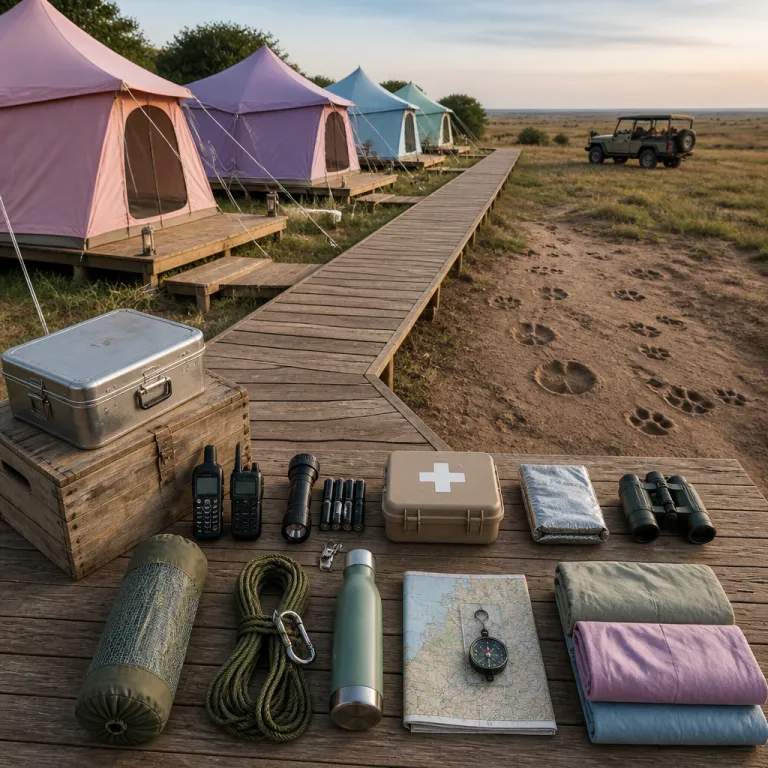
Unfenced safari camp safety in a luxury tent: the real risk picture
Unfenced safari camp safety in a luxury tent begins with understanding how professional teams manage risk in the African bush. In established safari camps across East Africa and Southern Africa, operators design every camp, tent, and protocol around the principle that guests can sleep close to wildlife while remaining protected. The aim is to give you a safari experience that feels thrilling yet, in practice, carefully controlled and comparable to many everyday travel activities.
Long-running safari operators and conservation bodies consistently report that incidents involving wildlife in unfenced camps are very uncommon in well-regulated properties. For example, internal safety summaries from major operators such as &Beyond and Wilderness report only a handful of minor wildlife-related incidents over tens of thousands of guest nights, while South African National Parks (SANParks) and Kenya Wildlife Service (KWS) incident overviews show that serious events in designated tourist camps are exceptional outliers rather than a routine concern. That pattern reflects the layered approach to safety in each safari camp, where guides, rangers, and camp staff coordinate patrols, radio checks, and escorted walks between tents. As one senior guide in the Masai Mara explains, “We assume animals are always nearby, so we build our routines around that reality rather than hoping they stay away.” The experience may be described as sleeping in unfenced safari camps, but the reality is a carefully choreographed night in which people and animals share space without direct contact.
Safari tents in these environments are not casual camping gear; they are engineered structures designed for wildlife zones. A typical luxury tent or tented suite sits on a raised deck, with heavy-duty canvas walls, secure zip closures, and often a solid door between bedroom and suite bathroom. The broader safety concept rests on this combination of robust tented design, disciplined camp rules, and the constant presence of trained guides and rangers who understand animal behaviour and local conditions. As one lodge manager near Kruger National Park puts it, “The tent is just one layer; the real safety net is our people, our layout, and our procedures.”
How unfenced tented camps manage wildlife proximity at night
Once you arrive at an unfenced tented camp, the safety routine starts with a clear briefing from the camp staff. Responsible safari camps explain that you will be escorted to and from your tent after dark, that you must keep the tent zipped, and that you should never walk alone between tents at night. They also outline simple rules such as avoiding food in the tent and using your torch to signal if you need assistance.
Operators such as Singita Sabora in the vast Grumeti Game Reserve in Tanzania illustrate how high-end camps manage wildlife proximity without fences. Armed rangers and guides conduct night patrols around the camp, monitor animal movements by radio, and coordinate with local wildlife authorities to keep elephants, buffalo, and predators at a respectful distance from each private tent. Food stores and kitchens are secured in elephant-proof structures, while non-intrusive barriers such as discreet cables or natural thornbush lines gently discourage animals from wandering through the dining tent or viewing deck. Internal safety briefings at camps like this typically note that most nocturnal wildlife activity is detected and managed long before guests are aware of it.
Inside your safari tent, safety continues through design details that many guests overlook. Reinforced canvas, elevated platforms, and lockable doors between bedroom and suite bathroom create a secure cocoon even when lions call from the African bush outside. Luxury tented suites increasingly feature fully plumbed suite bathrooms, and if you care about the balance between comfort and authenticity you can read more about luxury tents with private bathrooms in this guide to the ultimate glamping experience on our site. The overall safety equation is not about removing wildlife, but about ensuring that wildlife viewing happens from a controlled distance, whether you are on game drives or lying in bed.
From escort protocols to tent design: what actually happens after dark
As daylight fades over the Masai Mara or a remote national park in East Africa, the rhythm of an unfenced safari camp shifts into its most carefully managed phase. Guests finish dinner, enquire about the following day’s game drives, and then wait for a guide or askari to escort them back to their tents. This escort protocol is non-negotiable in serious safari camps, and it is the single most important element of night-time safety in any luxury tent.
If an animal is on the path between the main lodge and your tented suite, the guide will simply pause the walk, step back, and wait until the animal moves off, or choose an alternative route through the camp. You will not be asked to approach wildlife on foot, and you will never be rushed; the camp staff are trained to read animal behaviour in the African bush and to use radios to coordinate with colleagues if a large herd or predator blocks a route. Behind the scenes, safari camp operators act as hosts while guides and rangers serve as protectors, using flashlights, radios, and alarm systems as tools to keep the camp calm and controlled.
Inside the tent, design details support these human protocols. Elevated decks reduce the chance of curious animals brushing against the canvas, while secure zips and solid flooring make the tented interior feel more like a suite than a temporary shelter. Many tented camps now feature a viewing deck attached to each tent, allowing wildlife viewing from a safe height, and some integrate loyalty partnerships with major hotel groups, a trend explored in our analysis of how canvas became a loyalty points category. This model depends on a blend of escort routines, tent engineering, and guest discipline.
Children, age policies, and choosing the right safari camp
For couples considering bringing children to an unfenced safari camp, age policies matter as much as tent design. Many safari camps in Africa set a minimum children age for unfenced stays, often around eight to twelve years, because younger children may struggle to follow safety instructions or stay quiet during close wildlife encounters. Some camps accept younger children in fenced lodges while reserving unfenced tented safari areas for older families and adults.
When you enquire about a specific tented camp in the Masai Mara or another game reserve, ask directly about children age rules, escort protocols, and whether the camp offers private vehicles for families. A private vehicle and guide can transform the safari experience for both adults and children, allowing flexible game drives that match attention spans and interests. Clarify whether your tented suite or family tent includes separate sleeping areas, how many suite bathrooms are available, and whether the viewing deck is child friendly with railings and adequate height above the ground.
Night-time comfort also depends on your own confidence with the African bush after dark. Some couples prefer an intimate tented camp with only a handful of safari tents, where the camp staff know every guest by name and can tailor briefings to individual comfort levels. Others feel more at ease in larger camps or a lodge-style property within a national park, where tents and suites sit closer together and pathways are more heavily lit, a balance we examine in our feature on whether luxury camping can stay honest as the industry grows.
Case studies: from the African bush to Pafuri’s restored tented suites
Looking at specific properties helps translate abstract safety protocols into real-world practice. In the Masai Mara and greater Mara ecosystem, for example, tented safari camps operate within a mosaic of conservancies and the main national park, each with its own rules on fencing, vehicle density, and night drives. Well-regarded tented camps here typically combine a small number of safari tents with extensive guide training, strict speed limits on game drives, and close collaboration with conservation organisations.
Further south, near Kruger National Park, Pafuri Camp’s tented suites sit in a riverine forest where elephants routinely move through the camp at night. Here, unfenced safari camp safety in a luxury tent relies on elevated walkways, clear sightlines between tents, and a culture in which guests accept that hearing elephants feed nearby is part of the experience rather than a threat. The camp reports that its nineteen tented suites include full suite bathrooms and generous viewing decks, so wildlife viewing often begins before you even step into a vehicle.
Across Africa, from East Africa’s great plains to Southern Africa’s river systems, the most trusted safari camps share a common philosophy. They treat the tent not as a fragile barrier but as one layer in a broader safety system that includes trained people, thoughtful layouts, and guest education. As one standard briefing puts it for nervous first-timers: "Is it safe to sleep in an unfenced safari camp?" and the answer follows immediately, "Yes, with proper precautions and guidance."
FAQ
Is it safe to sleep in an unfenced safari camp in Africa?
Yes, when you choose established safari camps with strong safety records and follow their rules, sleeping in an unfenced safari camp in a luxury tent is considered very safe. Serious wildlife incidents are extremely rare because guides, rangers, and camp staff monitor animal movements and escort guests after dark. This approach has been refined over decades in African game reserves and national parks.
What should I do if I hear animals near my tent at night?
If you hear animals near your tent, stay inside with the canvas zipped and remain calm. Animals usually pass through camp without showing interest in tents, which they perceive as solid obstacles. If you feel concerned, use the provided torch or phone to alert camp staff, who are on duty throughout the night.
Are children allowed in unfenced tented camps and safari tents?
Policies vary between camps, so you must enquire directly about minimum children age and family arrangements. Many unfenced tented camps accept older children who can follow safety instructions, while younger children may be directed to fenced lodges or specific family-friendly areas. Always ask about escort rules, tent layouts, and whether private vehicles are available for family game drives.
How do luxury tented suites differ from standard camping tents?
Luxury safari tents and tented suites are permanent or semi-permanent structures with solid floors, heavy canvas walls, and hotel-style furnishings. They typically include full suite bathrooms or separate suite bathrooms, proper beds, and often a private viewing deck for wildlife viewing. These design features make the experience far more secure and comfortable than standard camping.
What safety briefing should I expect on arrival at a safari camp?
On arrival, responsible safari camps provide a detailed briefing that covers escorted walks after dark, keeping tents zipped, not leaving food outside, and how to signal for assistance. You should also hear clear guidance on behaviour during game drives, such as staying seated and quiet during close wildlife encounters. If any part of the safety explanation feels rushed or vague, ask questions until you are satisfied before settling into your tent.