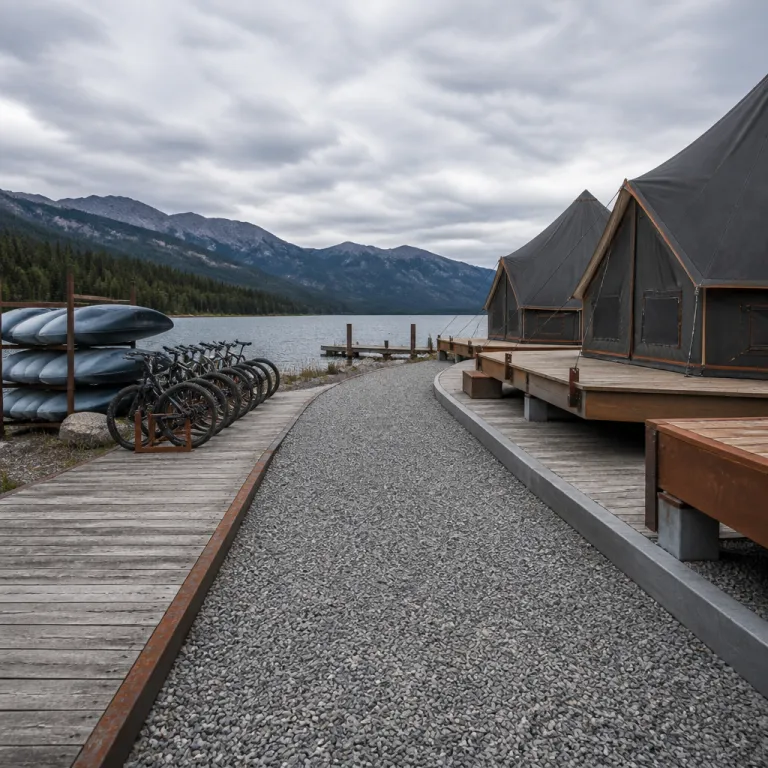
Glamping as a true base camp for multi sport itineraries
Glamping only works for serious hiking and adventure travelers when the tented property functions as a genuine basecamp, not a themed campsite with pretty lanterns. A strong glamping basecamp strategy starts with geography; you want a canvas address that sits within a 30 minute radius of multiple trailheads, river put ins, and scenic drives. When you treat your luxury tent as a performance oriented base camp for hiking and adventure, every day of your trip becomes more flexible and far less dependent on long transfers.
Think of the tent as mission control for your hiking plans, where you return after each hike to reset gear, review maps, and adjust the next day. The best basecamp style glamping properties sit just a few miles from a national park entrance or a protected canyon system, so you can start a day hike at dawn and still be back in time for a proper espresso. When you evaluate any camp online, look beyond the décor and check the distance in kilometres and miles to the nearest national park trails, river access, and scenic viewpoints that will shape your trips.
For multi sport travelers, a glamping basecamp choice should also reflect the realities of fatigue and recovery. Shorter transfer times between base and trail mean you can add spontaneous day hikes or an extra sunset hike without draining your group. A well located wilderness base with luxury tents lets you set camp once, then pivot between hiking, canyon exploration, and scenic drives without repacking or needing to carry gear for every possible scenario.
What makes a high performing glamping basecamp
Location is only the first filter when you choose a glamping basecamp property for a demanding itinerary. A true basecamp must offer early breakfast, flexible check in, and somewhere to dry boots and layers after a wet day on the trail. For executives turning a work trip into a long weekend, these details will decide whether the camp supports your energy or quietly drains it.
Look for tent sizes around 5 metres in diameter, which align with the 16 foot average often recommended for glamping comfort by outfitters and park concessionaires, and check that tents are spaced at least 9 metres apart to mirror the 30 foot privacy guideline used by many wilderness planners and public land agencies. That spacing matters when your group returns from long day hikes and wants quiet recovery rather than hearing every conversation from the neighbouring base camp. Features like proper flooring, strong ventilation, and weather resistant canvas are not luxuries; they are the baseline that keeps a glamping basecamp stay comfortable across changing mountain conditions.
Families or mixed ability groups should prioritise properties that understand how different guests use a basecamp across the day. Some will head out for ambitious hiking and adventure routes, while others prefer shorter day hikes or scenic drives from the same wilderness base. For a deeper look at how tented properties can support varied needs, especially for younger travellers, review this guide to what families actually need from a luxury tent property before you finalise your camp choice.
Behind every polished glamping basecamp stay sits a set of very practical decisions about where and how to set camp. Professional operators and experienced glamping enthusiasts all follow similar principles when they choose a base, because comfort and safety depend on the same fundamentals. They assess the site, select the right tent, and follow disciplined setup procedures long before guests arrive.
On the ground, that means choosing level terrain, avoiding low lying areas that might collect water, and balancing proximity to water sources with privacy and safety. Modern luxury tents often use inflatable structures and eco friendly materials, but the basics remain the same; a stable base camp with good drainage, secure stakes, and well tensioned guy lines will always feel more luxurious after a long day hike than any amount of decorative lighting. As one widely used field guideline from commercial glamping suppliers and outdoor education programs puts it, “A 16-foot tent is commonly recommended for glamping,” “A minimum of 30 feet between tents is advised for privacy,” and “Features like proper flooring, ventilation, and weather resistance enhance comfort.”
North American basecamp archetypes for serious hikers
Certain landscapes lend themselves naturally to a glamping basecamp approach, and North America offers several textbook examples. Around the Grand Canyon and the southern Utah plateau, high end tented camps now operate as spring basecamp hubs for hikers who want to string together multiple canyon systems in one trip. A single well chosen base camp here can unlock day hikes in slot canyons, sunrise viewpoints, and river corridors without constant hotel changes.
In southern Utah, look for glamping properties positioned between Zion National Park, Bryce Canyon National Park, and the Page area, so you can reach Horseshoe Bend and Lake Powell within a manageable drive. For instance, a camp near Kanab sits roughly 60 to 90 minutes from Zion’s east entrance, about 90 minutes from Bryce Canyon, and around an hour from Page, which keeps most day trips under a two hour round drive. From one central camp, you might plan a long hike on a Zion trail one day, then a gentler canyon rim walk near Bryce Canyon the next, always returning to the same wilderness base for hot showers and a proper mattress. This kind of basecamp model suits business travelers who want to maximise limited days without wasting hours on check out lines and luggage logistics.
One practical illustration comes from operators in the Kanab area who publish sample itineraries showing how guests can combine Zion, Bryce Canyon, and Lake Powell day trips from a single luxury tent base. Their drive time estimates broadly match those listed by regional visitor centres and state tourism boards, which reinforces how a centralised glamping basecamp can replace multiple hotel moves on a short hiking and adventure holiday.
Farther east, luxury tented stays near the Smoky Mountains work beautifully as hiking and adventure bases for shorter trips. A camp located near the gateway towns of Gatlinburg or Bryson City allows quick access to multiple trail networks inside Great Smoky Mountains National Park, while still offering spa treatments and chef led dinners at night. When you evaluate these properties online, skip content that focuses only on décor and instead study maps, trail distances in miles and kilometres, and how easily your group can reach varied day hikes from a single base.
Arctic scale basecamps in Alaska and the Wrangell Elias region
For travelers who want a more remote glamping basecamp experience, Alaska offers a different scale of wilderness. Here, a tented basecamp near a national park boundary is less about quick restaurant access and more about safe logistics, weather resilience, and reliable guiding. Distances are measured in flight hours as much as in miles, so choosing the right base camp will shape every aspect of your trip.
The Wrangell–St. Elias region and adjacent national landscapes illustrate how a wilderness base can support serious hiking and adventure without sacrificing comfort. Some operators run semi permanent camps that function as alpine guides hubs, where guests fly in by bush plane, set camp once on a stable gravel bar, then use the site for multiple day hikes on surrounding glaciers and ridges. In this context, a glamping style basecamp stay means heated canvas tents, drying lines for technical layers, and communal dining tents where route plans are reviewed each evening.
Cold spring conditions and sudden storms are common in Alaska, so your basecamp must be specified for more than summer postcard weather. Ask operators about how they manage cold spring nights, what insulation is used under tent floors, and whether they provide equipment so you do not need to carry gear such as heavy sleeping systems on small aircraft. When a camp is designed as a true wilderness base, you will see clear protocols for weather, evacuation, and communication, not just pretty photos of canvas against a glacier backdrop.
How luxury tent properties support gear, guides, and recovery
Once you have chosen the right region, the next step in any glamping basecamp plan is to assess how the property handles equipment and recovery. High end camps increasingly provide bikes, kayaks, and sometimes climbing gear, but serious hikers should still expect to carry gear that is personal or safety critical. The art lies in choosing a base camp where you can travel light yet still feel fully supported for ambitious day hikes.
Ask whether the camp works with certified alpine guides or local outdoor guides who know every trail and canyon in the surrounding national park. Some properties offer fully guided trips each day, while others specialise in self directed hiking and adventure with strong logistic support such as shuttles to trailheads and packed lunches. When a camp positions itself as a glamping oriented basecamp hub, it should also provide secure storage for muddy boots, drying racks for technical clothing, and a clear system for cleaning gear between trips.
Recovery amenities separate a pleasant camp from a true performance base. After a long hike that covers many kilometres and miles, hot tubs, massage services, and high protein menus will determine how ready you feel for the next day hike. For executives squeezing a multi sport itinerary into a short trip, this balance of wilderness base authenticity and spa level recovery is what will keep the experience sustainable across several demanding days.
Booking strategy for multi sport glamping trips
Booking a glamping basecamp stay requires a different mindset from choosing a city hotel. Start by mapping your ideal trails, canyons, and viewpoints, then work backwards to identify one or two basecamps that minimise daily transfer times. A single well chosen wilderness base is usually more efficient than three different camps scattered across a region.
When you compare properties, look at how they integrate activities into the stay, not just how they style the tents. Some camps build their entire model around guided basecamp adventures, with scheduled hikes, canyon explorations, and small group trips that depart each day from the same base camp. Others focus on independent travelers, offering route notes, GPS files, and flexible shuttle services so you can design your own hiking and adventure programme without being tied to a group.
Loyalty minded travelers should also consider how major hospitality brands are starting to treat canvas properties within their points ecosystems. For a deeper analysis of how large groups now classify tented stays, read this piece on how global hotel brands turned canvas into a loyalty points category before you lock in a long glamping basecamp booking. Aligning your wilderness base choices with your loyalty strategy can turn a single multi sport trip into a meaningful status boost, especially when you travel with a group and book several tents at the same camp.
Practical basecamp setup insights from the field
Behind every polished glamping basecamp stay sits a set of very practical decisions about where and how to set camp. Professional operators and experienced glamping enthusiasts all follow similar principles when they choose a base, because comfort and safety depend on the same fundamentals. They assess the site, select the right tent, and follow disciplined setup procedures long before guests arrive.
On the ground, that means choosing level terrain, avoiding low lying areas that might collect water, and balancing proximity to water sources with privacy and safety. Modern luxury tents often use inflatable structures and eco friendly materials, but the basics remain the same; a stable base camp with good drainage, secure stakes, and well tensioned guy lines will always feel more luxurious after a long day hike than any amount of decorative lighting. As one widely used field guideline from commercial glamping suppliers and outdoor education programs puts it, “A 16-foot tent is commonly recommended for glamping,” “A minimum of 30 feet between tents is advised for privacy,” and “Features like proper flooring, ventilation, and weather resistance enhance comfort.”
For travelers, the takeaway is simple yet powerful. When you evaluate a glamping basecamp option online, look for evidence that the operator respects these fundamentals and treats the camp as a serious wilderness base rather than a temporary photo set. Those quiet details in the background will shape how well you sleep, how quickly you can start each hike, and how confidently you will plan ambitious trips from your canvas home.
Key figures for glamping basecamps and multi sport trips
- Many wilderness planners and commercial camp designers recommend around 5 metres, or 16 feet, as an ideal diameter for a primary glamping tent, which provides enough interior volume for beds, gear storage, and a small seating area without becoming difficult to heat or cool.
- A spacing of roughly 9 metres, or 30 feet, between tents is widely used in organised camps and appears in several public land camping guidelines, because this distance balances privacy, noise control, and fire safety while still allowing efficient use of limited flat ground.
- In popular regions such as southern Utah, a well located base camp can sit within 50 to 70 kilometres of three different national park or monument entrances, allowing travelers to reach multiple trail systems in under an hour’s drive; this pattern is reflected in drive time estimates published by state tourism boards and park visitor centres.
- Multi sport travelers who minimise daily transfer times to under 30 minutes from basecamp to trailhead often gain one to two extra active hours per day, which compounds significantly across a four or five day hiking and adventure itinerary.
- Modern inflatable luxury tents can reduce setup time by more than half compared with traditional pole tents of similar size, according to manufacturer specifications and operator reports, which allows staff to focus more hours on guest services, guiding, and safety briefings.
FAQ about glamping basecamps for hiking and adventure
What is the ideal tent size for a comfortable glamping basecamp ?
For most travelers, a tent around 5 metres in diameter, corresponding to the commonly recommended 16 foot size, offers a strong balance between comfort and practicality. This footprint allows space for a full bed, seating, and gear storage without making the structure hard to heat or cool. Larger tents can feel impressive, but they often require more energy and infrastructure than remote wilderness basecamps can reasonably support.
How far apart should luxury tents be placed in a base camp ?
A spacing of about 9 metres, or 30 feet, between tents is generally advised when you set camp for glamping. This distance helps maintain privacy, reduces noise transfer between neighbours, and improves safety in case of bad weather or emergencies. When you review property photos, look for layouts that respect this spacing rather than tightly packed rows of canvas.
What features most improve comfort during a glamping adventure basecamp hiking stay ?
Three features make the biggest difference on a hiking and adventure focused trip; solid flooring, strong ventilation, and weather resistant materials. Proper flooring keeps dust, moisture, and cold from seeping into the living space, while good airflow prevents condensation after long day hikes. Weather resistant canvas and secure guy lines ensure the basecamp remains a refuge when conditions shift suddenly.
How should I choose the location of my glamping basecamp for multi sport trips ?
Start by mapping your priority trails, canyons, and viewpoints, then look for a camp that sits within a 30 minute drive of several of them. Avoid low lying areas that might flood and favour level ground with good drainage and some natural wind protection. A central wilderness base that minimises daily transfers will usually deliver a better overall experience than chasing every famous viewpoint with constant moves.
Do I need to bring my own equipment to a luxury tent basecamp ?
Most high end glamping properties provide core comforts such as quality beds, linens, and sometimes basic outdoor gear like trekking poles or bikes. You should still plan to carry gear that is personal or safety critical, including broken in hiking boots, layered clothing, and any specialised equipment for technical routes. Before you travel, ask the camp for a detailed gear list so you can avoid duplication while ensuring your glamping adventure basecamp hiking plans remain fully supported.