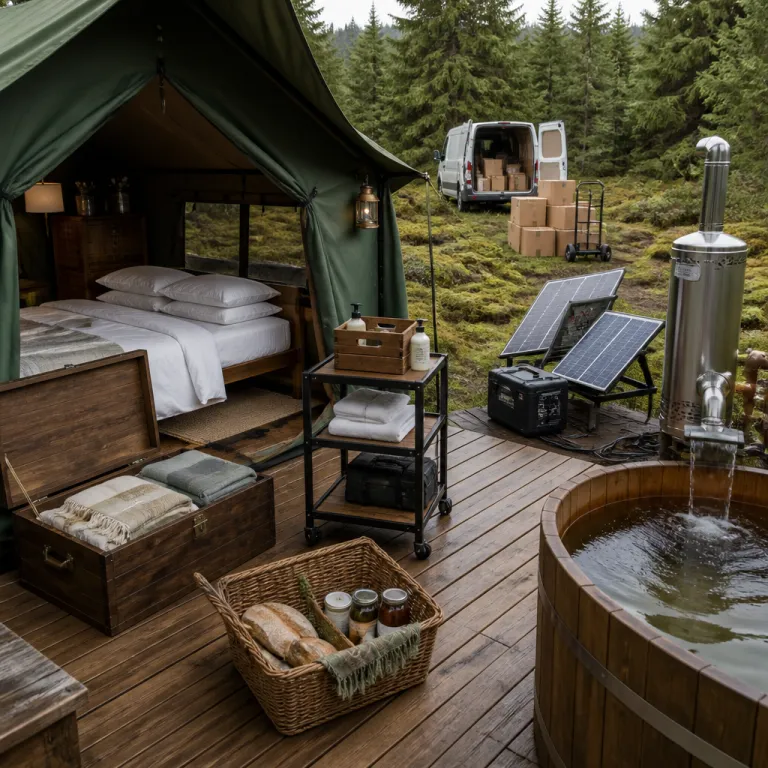
Reading a $500 glamping rate: what you really pay for
A $500 nightly rate for glamping can feel bold at first glance. Yet when you unpack a full breakdown of glamping costs, that figure starts to look more like a compressed ledger than a carefree price tag. Understanding how each usd of that nightly rate is allocated helps you judge whether a luxury tent stay genuinely matches your budget and expectations.
Glamping is a hospitality business that blends hotel level comfort with outdoor immersion, and that hybrid model carries its own costs and risks. A remote glamping site must fund land, infrastructure, staffing and maintenance over a short season, then recover those costs through relatively high nightly rates. When you compare glamping prices with traditional cabins or mid range hotels, remember that a glamping experience often includes a private deck, curated activities and a level of seclusion that hard walls in town simply cannot replicate.
Across the market, the average nightly glamping cost in the USA now sits around 250 usd per night, while luxury glamping resorts frequently cross the 500 usd threshold. That premium tier usually means a larger dome or tented suite, private hot tubs or plunge pools, and attentive service that feels closer to a safari camp than a roadside motel. Before you book, look past the headline price and ask how the specific location, tent type and inclusions justify the higher costs compared with other glamping businesses in the same region.
Land, permits and the price of wild locations
The first invisible layer in any serious glamping cost breakdown is the land itself. A glamping business that operates near a national park or on a dramatic coastline often pays a premium for leases, environmental assessments and impact studies. Those upfront costs are then spread across every night the glamping site is open, which is why two tents with similar interiors can have very different nightly rates depending on location.
Unlike a city hotel connected to municipal services, many glamping sites sit far from grid power, mains water and sewage, which complicates both permitting and infrastructure. Owners must navigate zoning rules, seasonal permits and community consultations that can delay a glamping venture for years and inflate startup costs before a single guest arrives. When you see a 500 usd nightly rate at a remote glamping pod camp with only six units, you are partly paying for the right to sleep in a place that would otherwise be off limits to overnight visitors.
Those land related costs are amplified by short operating windows, especially in mountain climates or fragile desert ecosystems. A range glamping property in the Rockies might welcome guests for only six months, yet it carries year round land taxes, insurance and loan repayments. If you want to understand why one national park adjacent dome camp charges higher glamping prices than a forest cabins property two hours away, follow the permits, the access roads and the environmental compliance line items that rarely appear on glossy booking pages or even in detailed luxury tent stay guides about tent setup and guy lines such as this technical canvas guide.
Tents, domes and pods: depreciation you never see
Step inside a 50 square metre safari tent with hardwood floors and you are stepping into a depreciating asset that quietly shapes your nightly rate. A premium canvas tent or geodesic dome suitable for harsh outdoor climates typically costs between 15,000 and 50,000 usd per unit, depending on size, insulation and integrated bathrooms. Most glamping businesses expect those structures to last eight to fifteen years before the fabric, zips and structural components need replacement.
Spread that capital cost across a short season and the per night tent depreciation becomes significant, especially for small glamping resorts with fewer than twenty units. A single dome that cost 40,000 usd and operates 150 nights per year over ten years effectively carries a structural cost of around 27 usd per occupied night before any staffing, utilities or amenities are added. When you add custom decks, built in fire pits, climate control systems and private hot tubs, the real glamping cost of each unit rises further, even if the guest only sees a clean canvas wall and a polished timber bedframe.
Different structures also carry different maintenance profiles, which subtly influence nightly rates and the overall pricing range glamping operators can offer. A timber framed glamping pod in a mild coastal climate might need less frequent canvas replacement than a high altitude dome exposed to snow, wind and intense UV. If you are comparing a 380 usd tented suite from a curated list of luxury tent stays under 400 a night that do not cut corners with a 520 usd dome at a newer glamping site, check how long each structure has been in service and what level of refurbishment is included in the current price.
Staffing, service and the real cost of hospitality
Service is where a 500 usd glamping cost breakdown starts to diverge sharply from a mid range roadside hotel. Many high end glamping resorts operate with guest to staff ratios close to one to one, especially in safari style camps where guides, butlers and maintenance staff all support a small number of tents. That staffing intensity is a deliberate choice to create a seamless glamping experience, but it also drives up operating costs that must be recouped through higher nightly rates.
Behind the scenes, a glamping business relies on a compact but highly trained équipe that includes on site managers, chefs, housekeepers and maintenance technicians who understand both hospitality and outdoor systems. The dataset of typical actors in this sector highlights how Glamping Site Owners, Maintenance Staff and Local Suppliers all contribute to keeping a remote site operational and safe. When you pay a 500 usd nightly rate, you are funding not only the visible smiles at check in but also the unseen night porter who checks fire pits, the technician who services climate control units and the driver who navigates rough tracks to bring in fresh produce.
Labour costs are also amplified by the remote locations that define many glamping ventures, where staff housing, transport and retention bonuses are part of the employment package. A glamping site that operates year round must carry payroll even during shoulder seasons when occupancy dips, while a seasonal camp compresses its wage bill into a shorter window with intense demand. If you want to assess whether a 500 usd price feels fair, look at how many cabins, domes or pods share the staff on duty and whether the service level feels aligned with the rates charged across comparable glamping businesses in the same market.
Off grid utilities, infrastructure and seasonal compression
Utilities are another major line in any serious glamping cost breakdown, especially for off grid sites that cannot rely on municipal networks. Power often comes from a hybrid of solar arrays and backup generators, sized to run climate control, lighting, kitchen equipment and sometimes private hot tubs for each tent. The upfront investment in panels, batteries and inverters can reach tens of thousands of usd, while ongoing fuel and maintenance costs add a steady drain to the operating budget.
Water and waste systems are equally complex, because a remote glamping site must treat its own supply and effluent to protect the surrounding environment. That usually means boreholes or trucked water, filtration, storage tanks and on site treatment plants that comply with strict environmental regulations. When you enjoy a long hot shower in a canvas bathroom after a day exploring a nearby national park, you are drawing on an infrastructure web that rivals a small village, and its costs are quietly folded into your nightly rate.
Seasonality then magnifies every fixed cost, forcing operators to recover a full year of expenses in six to eight months of trading. Industry data from the 2023 North American Glamping Report and major online travel agencies shows that the average nightly glamping rate in the USA now sits around 250 usd, while the premium segment above 500 usd represents a smaller but fast growing slice of the market. If you plan to travel in peak summer, expect glamping prices to sit at the top of each property’s range, and consider booking early or targeting shoulder dates highlighted in guides to peak season luxury tent stays such as this high season planning feature.
How to judge value across glamping sites and price points
Once you understand the main components of a glamping cost breakdown, you can start to compare properties with more confidence. Begin by listing what is actually included in the nightly rate, from meals and guided activities to transfers, then compare that with the base price in usd. A 500 usd tent that includes all meals, guided hikes and equipment can represent better value than a 320 usd glamping pod where every extra carries a separate fee.
Next, look at the structure type and layout, because a larger dome or multi room tent with a private deck, fire pits and a soaking tub will naturally command higher glamping prices than compact pods with shared facilities. Pay attention to climate control, insulation and weather resilience, especially if you are travelling outside peak summer or into regions with dramatic temperature swings. A well insulated cabin style tent with efficient heating and cooling may cost more per night, but it can transform a marginal shoulder season stay into a comfortable glamping experience that feels worth the premium.
Finally, align your budget with your priorities, whether that means a mid range lakeside glamping site with simple cabins or a top tier safari style camp with only a handful of private tents. If your budget is tight, look for properties that sit just below the 500 usd mark yet still deliver strong value, such as those featured in curated lists of luxury tent stays under 400 a night that do not cut corners on service or setting. The goal is not to chase the lowest price, but to find glamping businesses where the visible and hidden costs translate into an experience that feels both memorable and financially rational.
Planning your own stay: practical steps before you book
Translating a glamping cost breakdown into a real booking starts with timing and research. Book early for peak periods, especially near any national park or major festival, because the smallest and most atmospheric glamping resorts often sell out months in advance. When comparing options, use online booking tools to filter by location, structure type and nightly rates, then read recent guest reviews with a focus on service consistency and maintenance.
Before you commit, contact the glamping site directly to clarify what is included in the nightly rate and what counts as an add on. Ask about any minimum stay requirements, seasonal surcharges, and whether amenities such as private hot tubs, guided activities or airport transfers are bundled or charged separately. The sector’s own guidance for guests is simple yet effective here : "Book early.", "Check amenities.", "Prepare for weather.", "Understand cancellation policies."
Finally, pack and plan with the outdoor setting in mind, even when the tent itself feels thoroughly luxurious. Remember that glamping is still camping at heart, so bring layers, suitable footwear and any personal items that will help you enjoy evenings around the fire pits or dawn coffee on your private deck. If you approach each 500 usd night as an investment in both comfort and connection with nature, you will be better placed to choose the glamping business, site and season that align with your own sense of value.
Key figures behind luxury glamping prices
- The average glamping cost in the USA is around 250 usd per night, according to the 2023 North American Glamping Report and OTA booking data, which means a 500 usd luxury tent stay typically sits at roughly double the national average nightly rate.
- Luxury glamping properties commonly charge 500 usd or more per night for premium tents, domes or cabins, a segment that represents a smaller but rapidly expanding share of the overall glamping market as travellers seek higher comfort in outdoor settings.
- High quality safari style tents and geodesic domes suitable for year round use usually cost between 15,000 and 50,000 usd per unit, and when those startup costs are amortised over eight to fifteen years they can add tens of dollars to the effective nightly rate.
- Many glamping sites operate only six to eight months each year due to climate and access constraints, which forces operators to recover twelve months of fixed costs within a compressed season and contributes to higher peak season pricing.
- Industry surveys published between 2021 and 2023 show that guests are willing to pay a premium of 20 to 40 percent over comparable mid range hotel rates for a strong glamping experience that combines privacy, nature access and elevated service in a single stay.
FAQ about $500-a-night glamping rates
What is glamping and how is it different from camping ?
What is glamping? Luxury camping with amenities. Glamping combines traditional camping’s outdoor immersion with hotel style comforts such as real beds, climate control, private bathrooms and curated services. You still sleep in a tent, dome, cabin or pod, but the overall experience is designed to feel indulgent rather than basic.
Why do some glamping sites charge 500 usd or more per night ?
High end glamping prices reflect a mix of land costs, tent depreciation, staffing intensity and off grid utilities that are concentrated into a short operating season. Properties near national parks or in remote wilderness often face higher permitting and infrastructure costs than urban hotels, and they spread those costs across fewer units. When service levels are high and inclusions are generous, a 500 usd nightly rate can be a realistic reflection of the underlying costs rather than simple markup.
How should I compare glamping prices across different properties ?
Start by checking what each nightly rate includes, from meals and activities to transfers and equipment, then convert everything to a per person cost in usd. Compare structure types such as domes, cabins and pods, and note whether climate control, private bathrooms and hot tubs are standard or optional extras. Finally, weigh the location, season and service level against your own budget to decide whether the overall glamping experience feels worth the price.
Is glamping suitable for families and first time campers ?
Is glamping suitable for families? Yes, many sites cater to families. The combination of real beds, private bathrooms and on site staff support makes glamping an accessible way for first time campers to enjoy the outdoors without investing in gear. When travelling with children, look for glamping resorts that offer larger cabins or tents, safe fire pits and simple activities such as guided walks or wildlife talks.
How do I book a glamping site and what should I check before paying ?
How to book a glamping site? Use online platforms or contact sites directly. Before you pay, confirm the total cost including taxes and fees, check the cancellation policy, and verify which amenities are included in the nightly rate. It is also wise to ask about weather contingencies, access roads and any seasonal closures that might affect your stay.
References
- North American Glamping Report 2023 – benchmark data on average glamping cost, occupancy and season length.
- Major online travel agencies (OTA) booking statistics – aggregated nightly rate ranges for glamping tents, domes and cabins in the USA.
- National Park Service Commercial Services Program – guidelines on concessions, land use and environmental compliance for accommodation near protected areas.