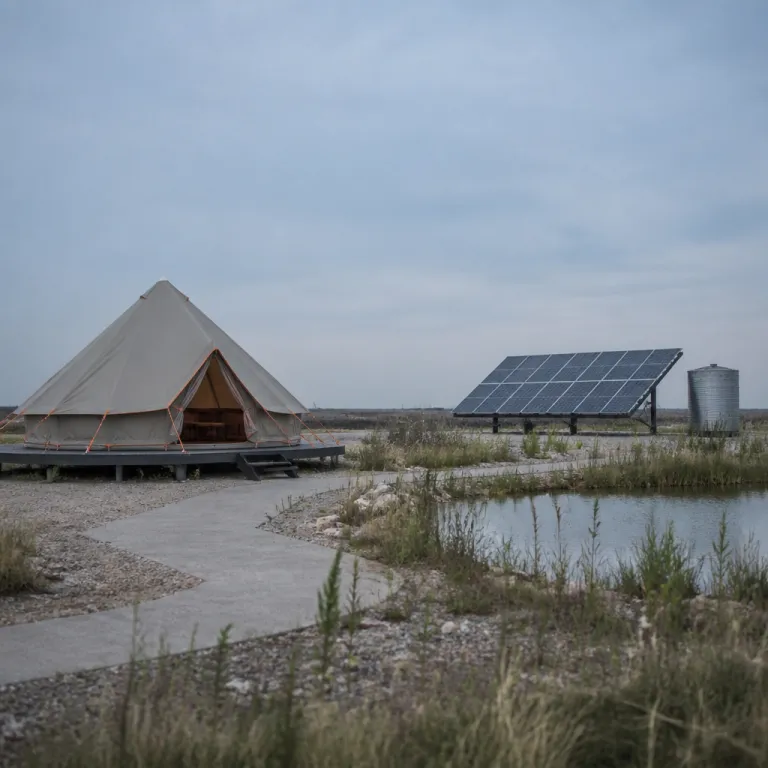
From sustainable glamping to truly net positive stays
Net positive glamping sustainability goes beyond a polite nod to being sustainable. It describes luxury camping experiences where the hospitality operation restores ecosystems, strengthens local communities and leaves measurable positive impact. For business people extending a work trip, this shift reframes glamping from a feel good extra into a serious sustainability strategy that aligns with corporate values.
In practice, net positive outdoor hospitality means the glamping business gives back more than it takes in energy, water, biodiversity and social value. A luxury glamping site that invests in renewable energy, habitat restoration and long term employment for local people is no longer just reducing its carbon footprint ; it is actively protecting the planet. This is where proving luxury becomes about the depth of sustainability initiatives rather than the thread count of the canvas structures.
Camp Glenorchy in New Zealand is often cited as a benchmark for net positive hospitality, and its approach translates well to high end camping glamping around the world. The property uses extensive solar panels, careful water management and eco friendly products to ensure operations guest by guest leave the valley better than they found it. This kind of design thinking shows how luxury glamping sites can pair refined guest experience with rigorous environmental impact accounting.
Energy, water and carbon: the hard metrics behind the canvas
For travelers used to boardrooms and balance sheets, net positive glamping sustainability starts with clear metrics. A serious glamping business will publish data on its carbon footprint, renewable energy generation and water balance, not just talk about being eco friendly. When a glamping site produces more renewable energy than it consumes and feeds the surplus into a local grid, the stay becomes part of a regional clean energy solution.
At Camp Glenorchy, for example, solar panels and careful passive design help the property operate as a net positive eco lodge, and the same principles now guide ambitious glamping sites worldwide. Home Farm Glamping in the United Kingdom has publicly committed to achieving net zero emissions, showing how camping glamping can move from aspiration to accountable sustainable business practice. These operations guest by guest are proving luxury can be compatible with rigorous sustainability initiatives when business people demand transparent reporting.
Water is the next frontier, with rainwater harvesting, greywater reuse and wetland restoration turning a simple place to sleep into a hydrological asset. Some outdoor hospitality structures now aim to be water positive, replenishing local aquifers and wetlands rather than merely reducing consumption. For travelers comparing lakeside tents in Minnesota, guides to glamping in Minnesota’s forests and parks increasingly highlight where the experience supports nature rather than stressing it.
Rewilding, biodiversity and the rise of living landscapes
The most compelling expression of net positive glamping sustainability is happening in rewilded landscapes. Here, luxury tents sit lightly within restored habitats where guest fees fund tree planting, native species reintroduction and long term monitoring. Broadleaves Glamping in the United Kingdom, for instance, positions its structures within a mosaic of woodland and meadow that is managed first for biodiversity and only then for tourism.
In these places, the design brief starts with nature and works backwards to hospitality, not the other way around. Paths follow animal trails, lighting is kept low to protect nocturnal species and sustainable materials are chosen to weather into the landscape rather than shout against it. Guests are invited to join wildlife surveys, habitat restoration days or guided walks that explain how people, planet and business can align when tourism industry actors take their environmental impact seriously.
For executive travelers used to conventional resorts, this style of outdoor hospitality feels both more grounded and more forward looking. A stay in a carefully sited glamping site near a reef or rainforest, such as the partners highlighted in this guide to sustainable luxury accommodations in Cairns, can directly support marine or forest conservation. In this context, proving luxury means waking to birdsong in a thriving ecosystem that your presence helps finance, rather than a manicured lawn that quietly displaces local species.
Guest participation and the new net positive playbook
Net positive glamping sustainability is not a spectator sport ; it works best when guests participate. Many leading glamping sites now weave light touch citizen science, conservation tasks and waste awareness into the guest experience without compromising comfort. You might help plant native trees at dusk, log wildlife sightings from your deck or sort recycling with clear guidance that links your actions to a wider sustainability narrative.
For operations guest teams, this requires thoughtful training so hospitality feels seamless while the eco story remains authentic. Business people on a tight schedule appreciate concise, well designed touchpoints rather than earnest lectures, so the best properties use subtle prompts, elegant signage and optional short activities. The aim is to show how people and planet both benefit when a glamping business treats every stay as a chance to shift behavior, not just sell products and services.
Some properties integrate technology to make participation almost invisible, using apps to track carbon footprint contributions or to show how much renewable energy your tent generated while you slept. Others focus on tactile rituals, such as inviting guests to choose sustainable materials for a small habitat restoration project or to fund a specific local initiative at checkout. Across these models, the common thread is that luxury, glamping and sustainable tourism can coexist when guests are treated as partners in protecting the planet rather than passive consumers.
How to choose a genuinely net positive luxury tent stay
For readers scrolling through a luxury and premium booking website for tents, the challenge is separating marketing gloss from genuine net positive glamping sustainability. Start by looking for clear explanations of sustainability initiatives, including renewable energy systems, waste management, water strategy and community partnerships. Serious outdoor hospitality operators will describe how their structures are positioned, which sustainable materials they use and how they measure environmental impact over the long term.
Next, pay attention to how the property talks about local people and the wider tourism industry. A credible glamping business will reference fair employment, local sourcing of products and collaboration with conservation or community groups rather than vague eco claims. When a glamping site explains how it reduces its carbon footprint while funding biodiversity projects and supporting nearby enterprises, you can be confident that people and planet are part of the core business model.
Finally, read between the lines of the guest experience description and compare it with independent editorial guides such as this overview of elegant family camping in France. Look for mentions of nature based activities, low impact design and transparent reporting on positive impact rather than generic luxury language. As one definition puts it succinctly, “Glamping that gives back more to the environment than it takes.” and “Through renewable energy, waste reduction, and conservation efforts.” and “Prices vary; some may be higher due to sustainable practices.”
FAQ
What is net positive glamping in practical terms ?
Net positive glamping means that a luxury tent stay restores more environmental and social value than it consumes. The property generates surplus renewable energy, enhances biodiversity and supports local communities beyond offsetting its footprint. Your presence as a guest becomes part of a regenerative system rather than a neutral or negative impact.
Are net positive luxury glamping stays always more expensive ?
Prices for net positive glamping vary widely, much like conventional luxury stays. Some properties charge a premium because renewable energy systems, sustainable materials and conservation programs increase upfront costs. Others keep rates competitive by treating sustainability as long term business efficiency that reduces operating expenses over time.
How can I verify sustainability claims before booking a tent ?
Look for detailed information on energy use, water management, waste systems and community partnerships rather than generic eco friendly language. Independent certifications, transparent reporting and named collaborations with environmental organizations are strong signals of credibility. When in doubt, ask specific questions about carbon footprint, biodiversity projects and how guest spending supports local people.
What should I pack for an eco conscious luxury camping trip ?
Bring reusable water bottles, coffee cups and bathroom products to reduce single use waste. Neutral colored clothing, soft soled shoes and a small headlamp with a red light setting help you move quietly in nature without disturbing wildlife. Many net positive glamping sites provide high quality amenities, so focus on low impact personal items rather than duplicate products.
Do net positive glamping sites operate year round ?
Many net positive glamping properties operate throughout the year, adjusting their operations to seasonal conditions. Off season stays can be particularly beneficial, spreading tourism pressure and supporting local employment beyond peak months. Always check access, weather patterns and any seasonal conservation restrictions before you book.