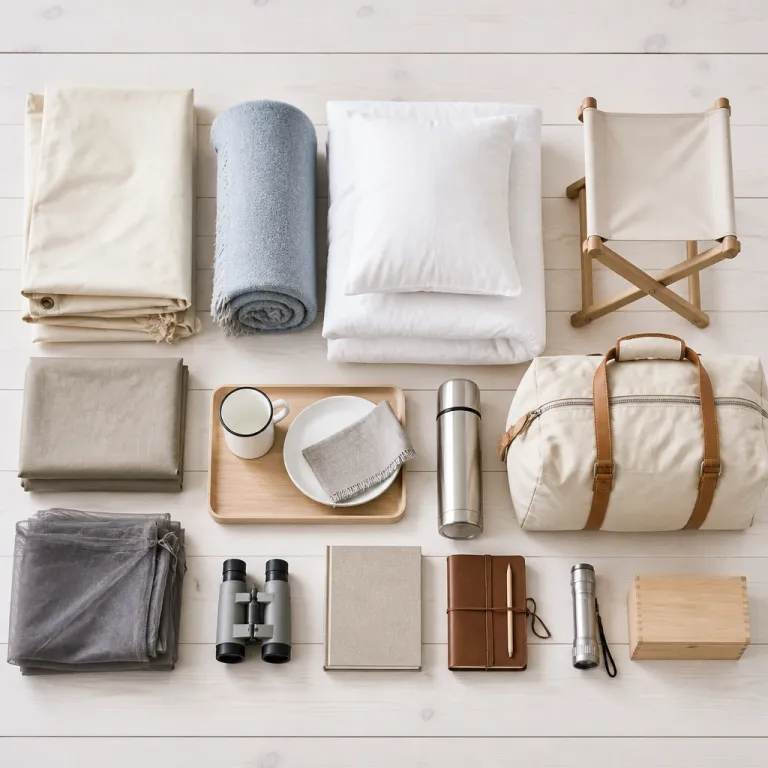
What is fly camping in a luxury safari context ?
Fly camping is a minimalist form of camping where a simple fly sheet or tarp becomes your primary shelter. In a luxury safari setting, this traditional fly is refined with high quality bedding, attentive guiding, and meticulous safety standards that still keep the camp light and mobile. When travellers ask what is fly camping on a premium platform, they are really asking how far they can step into the wild without sacrificing comfort.
At its core, a fly camp uses a lightweight canvas fly or tarp suspended with ropes, often supported by nearby trees or simple poles, to create a temporary camp that can be set up or moved within minutes. This style of camping grew from the needs of walking safaris and mobile safaris, where guides wanted to follow game and wilderness routes without hauling a full lodge structure each night. The method reflects the broader idea of minimalist camping described in outdoor recreation research, where the fly provides a lightweight, temporary shelter and the emphasis is on simplicity, mobility, and minimal environmental impact.
Luxury tented camps and lodges in Kenya, Tanzania, and Zambia now offer curated fly camping experiences that respect this minimalist heritage while elevating every detail. Guests might spend the night under a mosquito net and a fly sheet, yet enjoy fine linen, hot bucket showers, and expert guiding that rivals any main camp. For travellers browsing a luxury and premium booking website for luxury tents, understanding what fly camping means helps them choose between a permanent wilderness lodge and a wild camp that moves with the rhythm of the bush.
From main camp to wild camp: how fly camping works on safari
On most luxury safaris, fly camping begins at a main camp or one of the permanent camps lodges, where guests settle into spacious tents before heading out for a night or two of wild camping. After a day of game viewing, your guide leads a short walking safari or a longer walking safaris route into the bush, where a small team has already prepared a simple fly camp beside a river or in a quiet clearing. This transition from lodge to wild camp lets you keep the comfort of a curated camping experience while stepping deeper into the wilderness.
In Kenya, properties such as Serian and Sarara Camp often use fly camping as an extension of their main camp programmes, allowing guests to spend the night away from the central hub yet remain under the care of the same guiding équipe. In Tanzania, a similar pattern appears around the great national park landscapes, where a fly camp might be positioned near a seasonal river to follow migrating game. When planning a multi day adventure, many travellers use a glamping basecamp strategy and choose a tented property that offers both permanent tents and mobile fly camping options, a choice that can be explored in depth through a dedicated guide to selecting a tent property for a multi sport trip on a specialist luxury tent platform.
The practicalities remain elegantly simple, even in a premium context, because the goal is to keep the camp light and low impact. A typical camping fly is designed to be compact and easy to carry according to camping equipment manufacturers, which allows staff to transport several flies, mosquito nets, and essential gear without heavy vehicles. This minimalist approach supports countryside code principles of leaving no trace, while still giving guests a rich camping safari narrative that feels far removed from conventional camps lodges.
What fly camping feels like under the African night sky
For many guests, the answer to what is fly camping only becomes clear when they lie beneath the night sky and hear the bush come alive. You might spend the night with only a mosquito net between you and the stars, the fly sheet pulled back to frame constellations while distant lions call and hippos graze along the river. This intimate proximity to the wild transforms a simple camping experience into one of the most powerful safari experiences available.
Guides often describe fly camping as the moment when guests truly understand what wilderness means, because every sound, scent, and shadow feels immediate yet carefully managed. In regions such as South Luangwa in Zambia or the remote corners of a Kenyan national park, a fly camp allows you to follow game on foot during the day and then return to a wild camp that sits right on the animals’ pathways. Luxury tented operators emphasise safety with armed rangers, clear briefings, and strict adherence to the countryside code, yet they deliberately keep the camp small so that the wilderness remains the star.
Some of the most renowned fly camping experiences are linked to names such as Alex Walker and his Serian Serengeti operations, where guests move between main camp and fly camp to track seasonal wildlife movements. These safaris often combine vehicle based game drives with walking safaris that end at a secluded fly camp beside a river or on an open plain. As one returning guest described it, “Lying under the fly with the Milky Way overhead and lions calling in the distance felt both completely safe and completely wild.” For a deeper look at how luxury tented stays elevate this style of wild camping under the African night sky, travellers can consult detailed features on fly camping that explain how premium services integrate with such a minimalist camp.
Iconic regions and lodges offering refined fly camping
Several African regions have become synonymous with refined fly camping, each offering a distinct interpretation of what fly camping should feel like for luxury travellers. In Kenya, the Mara and Laikipia landscapes host camps and lodges such as Serian and Sarara Camp, where guests can alternate between spacious tented suites and a stripped back wild camp that still provides excellent food and attentive service. These operations use fly camping to access remote valleys, river lines, and ridges that vehicles from the main camp cannot easily reach.
Across the border in Tanzania, the Serengeti and other national park ecosystems support mobile safaris where a fly camp follows the herds, often under the banner of Serian Serengeti or similar high end outfits. Here, what fly camping means is the ability to move quickly with the migration, setting up a light camp near a river one night and shifting to a new wilderness location the next. Guests enjoy the contrast between permanent camps lodges and the more ephemeral camping fly, gaining a deeper appreciation of how the bush changes from one area to another.
Further south, South Luangwa in Zambia has long been a stronghold of walking safaris and wild camping, with operators offering nights under a fly sheet as part of multi day bush walks. These safaris often follow the river and its oxbow lagoons, where game concentrations are high and the night sky feels almost close enough to touch. When evaluating rates for such trips, travellers can benefit from a breakdown of what goes into a premium glamping rate, including the logistics of supporting both a main camp and remote fly camps, which is often analysed in guides to the hidden costs of a 500 euro a night glamping stay.
Safety, comfort, and etiquette in a luxury fly camp
Safety and comfort sit at the heart of every luxury fly camping operation, even when the camp itself looks deceptively simple. Guides brief guests carefully on what to do at night, how to move around the camp, and what wildlife behaviour to expect in the bush around them. This structure allows travellers to enjoy the thrill of wild camping while trusting that every camping experience has been planned with professional risk management.
Comfort in a fly camp comes from thoughtful details rather than heavy infrastructure, such as thick mattresses, quality linen, and well positioned mosquito nets under the fly. Many camps use separate canvas screens or small ensuite setups for bucket showers and eco friendly loos, maintaining privacy without breaking the minimalist aesthetic. The emphasis on lightweight gear mirrors camping equipment manufacturers’ notes that a modern fly is typically designed to be light enough for one person to carry with ease, which keeps the overall camp portable and reduces the environmental footprint compared with a permanent lodge.
Etiquette follows the countryside code and broader conservation principles, asking guests to keep noise low, respect wildlife distances, and leave no trace when they spend the night in sensitive wilderness areas. Guides often remind guests that walking safaris and camping safari activities take place in habitats where animals have priority, so every action should minimise disturbance. As one expert summary notes, “The benefits of fly camping are lightweight gear, quick setup, and enhanced mobility”, a statement that also captures why responsible operators favour this style of camp when they want to reach pristine areas without building new lodges.
How to choose and book a fly camping experience online
When browsing a luxury and premium booking website for luxury tents, travellers should look for clear explanations of what fly camping includes and how it differs from standard camping. Reputable camps and lodges will specify whether the fly camp is reached by vehicle or walking, how many guests share the camp, and whether the night is fully hosted by professional guides. This level of detail helps you decide whether a particular camping safari or wild camping add on matches your comfort level and sense of adventure.
Pay attention to how operators describe their camps lodges and main camp, because the quality of the core operation usually reflects the standard of the fly camp as well. Names such as Serian, Serian Serengeti, Sarara Camp, and Alex Walker’s associated camps signal long experience in running walking safaris, wild camp setups, and river based fly camping in Kenya and Tanzania. Reading guest reviews about the camping fly arrangements, the mosquito net quality, and the overall camping experience will give you a realistic sense of what to expect when you finally spend the night under a fly.
It also helps to understand what fly camping can and cannot provide, especially if you are used to a fully serviced lodge. A fly camp will always feel more exposed to the bush and the night sky, even when safety protocols are robust and the wilderness team is highly qualifié. For hikers, backpackers, and campers who already enjoy minimalist camping, this style of camp simply adds a layer of expert guiding and safari game viewing, turning a familiar camping routine into a rare wilderness experience that remains etched in memory long after the trip ends.
Key figures and trends in luxury fly camping
- Manufacturers note that modern fly sheets used in camping are engineered to be lightweight and compact, which allows safari teams to carry multiple units and keep fly camps highly mobile without heavy vehicles.
- Outdoor recreation research suggests that a significant share of campers now experiment with minimalist shelters such as flies or tarps, a trend that supports the growth of lightweight fly camping options in luxury safari operations.
- Luxury tented camps that offer both a main camp and mobile fly camping typically limit group sizes to small parties, often fewer than eight guests, to maintain safety and a low environmental impact in sensitive wilderness areas.
- Walking safaris combined with fly camping are especially prominent in regions like South Luangwa and the Serengeti, where high densities of game and extensive river systems make mobile camps more effective than static lodges for tracking wildlife.
- Booking data reported by high end safari operators indicate a steady rise in demand for one or two night fly camping add ons, as travellers seek more immersive experiences without committing their entire trip to wild camping.
FAQ about luxury fly camping on safari
What is the purpose of a fly in camping ?
The purpose of a fly in camping is to provide a lightweight, temporary shelter that protects you from rain, dew, and falling debris while keeping the camp simple and mobile. In a safari context, the fly often works together with a mosquito net and groundsheet to create a comfortable sleeping area in the bush. This setup allows guides to move the camp easily and minimise the environmental footprint compared with a permanent structure.
How do you set up a fly camp on safari ?
To set up a fly camp, staff suspend a fly or tarp using ropes between trees, poles, or vehicle supports, then arrange beds or bedrolls beneath it with individual mosquito nets. The team positions the camp with careful attention to wind, drainage, and proximity to game paths, always following safety protocols. Luxury operators handle all of these details for guests, so you arrive to a fully prepared camp and can focus on the wilderness experience.
What are the main benefits of fly camping for travellers ?
The main benefits of fly camping are lightweight gear, quick setup, and enhanced mobility, which together allow access to remote wilderness areas that larger camps cannot reach. Guests enjoy an intense connection with the bush and the night sky while still benefiting from professional guiding and safety measures. This combination makes fly camping a compelling addition to a luxury safari itinerary for travellers seeking a deeper sense of adventure.
Is fly camping safe in areas with big game ?
Fly camping can be safe in areas with big game when it is managed by experienced guides who understand animal behaviour and local conditions. Camps are positioned away from major wildlife corridors, and staff maintain night watches, clear safety briefings, and strict rules about movement after dark. Choosing reputable camps and lodges with a strong track record in walking safaris and wild camping is essential for a secure experience.
Who is best suited to a luxury fly camping experience ?
Luxury fly camping suits travellers who are comfortable with the idea of sleeping close to nature and who value wilderness immersion over extensive amenities. Hikers, backpackers, and campers often adapt quickly, but many first time safari guests also find that one or two nights in a fly camp become the highlight of their trip. Anyone booking should be ready for some rustic elements, such as bucket showers and open air dining, balanced by attentive hosting and high quality bedding.
References
- Outdoor recreation surveys and reports on minimalist camping shelter usage.
- Camping equipment manufacturers’ specifications and product notes on lightweight fly sheet design.
- Protected area management reports from Kenyan, Tanzanian, and Zambian national park authorities on walking safaris and mobile camps.