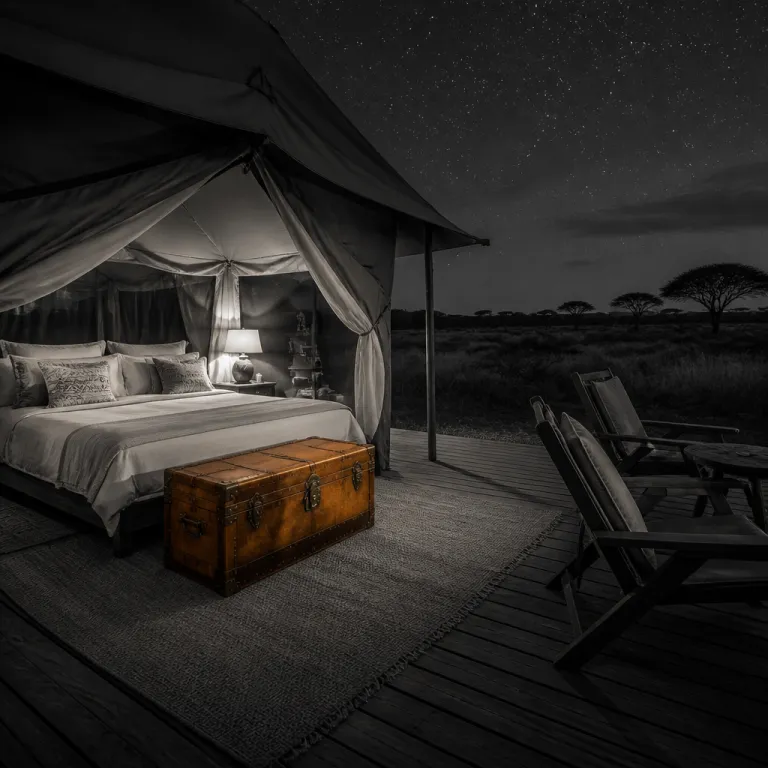
What fly camping really means in a luxury safari context
Fly camping in a luxury context means stripping safari back to its elegant essentials. In practice, this style of camping uses lightweight tarps, tent flies, and a simple fly camp setup that lets you sleep almost directly under the night sky. For travellers used to a lodge or main camp, the experience feels thrillingly wild yet carefully choreographed, more like a private wilderness sleepout than a standard tented stay.
Professionally guided fly camping focuses on a minimalist camping experience without sacrificing safety or comfort. Instead of heavy canvas tents and bulky furniture, your camp team brings only what is needed for a secure, comfortable night: proper bedding, a robust mosquito net, and a few well chosen bush comforts. This balance between light gear and thoughtful service is what turns basic camping into a refined camping safari that still feels authentic and in tune with the surrounding ecosystem.
Specialist guides and camp teams design each fly camping experience to deepen your connection with the bush. The format is simple: you walk or drive from the main camp, set up a temporary fly camp in a remote corner of the concession, then spend night hours listening to the wild while staff manage safety and logistics. As one expert summary puts it, “Minimalist camping using basic shelters like tarps or tent flies.” A senior guide in Zambia once described it as “removing the walls between you and the bush, but keeping all the knowledge and backup in place.”
Planning a fly camping trip alongside your luxury tented lodge
When planning a trip that combines a luxury lodge with fly camping, timing and routing matter as much as the tent itself. Many travellers choose to start with two or three nights in fully serviced camps or lodges, then add one or two nights of camping under canvas to intensify their experience of the wild. This structure lets you enjoy the full facilities of a national park lodge while still tasting the raw edge of the bush and the freedom of a mobile camp.
In Tanzania, for example, you might stay at a main camp near a national park gate, then head out with a private guide for a walking safari that ends at a remote fly camp. A typical dry season itinerary in the Serengeti might include three nights in a central lodge, followed by a one night fly camp near seasonal watercourses where wildlife congregates. The same approach works in South Luangwa in Zambia, where walking safaris and camping safari combinations are a hallmark of the region’s most respected camps. If you are unsure whether traditional camping or a more serviced option suits you, this detailed guide to choosing between camping and glamping in a luxury tent escape on how to choose your perfect luxury tent escape offers a useful framework.
Luxury booking platforms now allow you to reserve both the lodge stay and the fly camping extension in one itinerary, which simplifies planning for complex safaris. You will usually see fly camping experiences listed as optional adventure packages that can be bolted onto a longer safari or combined with several different camps. When comparing options, look for clear information about walking distances, vehicle support, and how the camp team manages safety during the night, as well as any park rules about maximum group size or minimum age for walking activities.
How the camping experience feels from sunset to sunrise
Arriving at a fly camp in the late afternoon, you usually step into a small clearing where lanterns, canvas bedrolls, and a central fire define the space. The camping experience is intentionally simple: a raised bed or mattress, a well hung mosquito net, and a fly sheet or tarp that leaves the sides open to the breeze. This pared back camp design keeps you close to the sounds and scents of the bush while still feeling curated and secure, with the smell of woodsmoke and wild sage drifting through camp.
As the sun sets, your guide will often lead a short walking safari to interpret tracks, game trails, and the behaviour of nocturnal animals preparing for the night. One guide in northern Kenya describes this hour as “when the bush takes a deep breath and changes shift.” Families considering whether this kind of wild experience suits younger travellers should read this practical guide to glamping with children and what families need from a luxury tent property on glamping with children in luxury tents. Around the fire, stories of previous safaris, encounters with wild dog packs, and memorable nights under the stars help you understand why many guests call their first fly camping night the highlight of their trip.
Later, when you finally lie down, the night sky becomes your ceiling and the bush your soundtrack. You might hear distant game moving through the grass, or the soft calls of birds that only become active after dark. For many travellers, the chance to spend night hours in such close contact with Africa’s wild spaces is the moment when a safari shifts from sightseeing to something deeply personal, especially when you wake before dawn to the smell of coffee and the first light catching the tops of the acacia trees.
Signature fly camping experiences in Africa’s great safari regions
Across Africa, several regions have become synonymous with exceptional fly camping experiences. In Tanzania, the mobile camps of the Serengeti offer guests the chance to leave a main camp for one or two nights and sleep closer to seasonal game concentrations, especially in areas associated with the Serian Serengeti operations. In South Luangwa, Zambia’s pioneering walking safaris often include a night at a remote fly camp set along the river or in a secluded grove, with dry season departures typically running from June to October.
Some of the most respected names in the safari world have built their reputations on this style of camping safari. Alex Walker and his Serian camps, for instance, are known for flexible walking safaris and intimate fly camping setups that complement their more permanent camps and lodges. In northern Kenya, Sarara Camp in the Namunyak Conservancy offers guests the chance to leave the main lodge and sleep out in the bush, combining fly camping with community led conservation experiences and locally guided walks that follow traditional Samburu routes.
These experiences go beyond the traditional lodge model by focusing on mobility, silence, and proximity to wildlife. Guests might wake to find fresh tracks of wild dog or other predators close to camp, with guides using these signs to plan the morning’s walk. Whether you are in a national park or a private conservancy, the ability to shift camp quickly allows your team to follow game movements and changing conditions without the constraints of a fixed lodge, while still complying with local park regulations on where temporary camps may be set.
From lodge to fly camp: how luxury operators manage comfort and safety
Luxury safari operators treat fly camping as an extension of their main camp standards rather than a downgrade. Before you leave the lodge, the team will brief you on safety, explain how the camp is secured at night, and outline what to expect from the camping experience. Many guests are surprised by how comfortable a simple bedroll, quality linen, and a well positioned mosquito net can feel in the middle of the bush, especially when paired with a hot drink by the fire and a clear explanation of how the night watch operates.
At the fly camp itself, staff maintain a discreet but constant presence, with a watch kept throughout the night to monitor wildlife movements and weather changes. The methods are simple but effective: careful camp placement away from game paths, secure food storage, and clear rules about moving around after dark. As one safety focused answer in the reference material states, “Yes, with proper preparation and awareness of surroundings.” Guides also explain how to use headlamps, when to call for assistance, and what to do if you hear animals close to camp.
Comfort touches vary between camps, but hot water for washing, a proper bush loo, and even a basic hot air shower are increasingly common. Some operators integrate loyalty benefits from larger hospitality brands, a trend explored in depth in this analysis of how major hotel groups turned canvas into a loyalty points category on luxury tent loyalty strategies. Whether you are staying at a classic lodge or a minimalist fly camp, the same guiding standards, safety protocols, and service ethos apply throughout your safari, with many operators using identical vehicles, radios, and emergency procedures across both.
Practical advice for choosing and booking your fly camping package
Selecting the right fly camping package starts with being honest about your comfort levels and expectations. If you love the idea of the wild but prefer more structure, choose a trip where the fly camp is supported by vehicles and remains relatively close to the main camp or lodge. Travellers who already enjoy walking safaris and lightweight camping can opt for more remote experiences that involve longer walks between camps and more time away from permanent infrastructure.
When comparing options on a luxury booking website, look for clear descriptions of the camp setup, including bed type, mosquito net quality, and whether there is any overhead fly sheet or tarp. Check how many guests share the fly camp, how many guides accompany the group, and whether the experience is offered inside a national park or in a private concession. You should also confirm how the operator handles weather changes, since minimalist camping relies on flexible tarps and tent flies that can be adjusted quickly, and ask whether park permits or conservation fees for walking activities are included in the quoted rate.
Finally, ask how the fly camping nights integrate with the rest of your safari experiences. Some itineraries place the camping safari at the end of the trip as a dramatic finale, while others schedule the spend night adventure in the middle to break up lodge stays. Either way, a well planned combination of lodge comfort, mobile camps, and one or two carefully chosen fly camping experiences will give you a richer, more layered way to experience Africa’s wild landscapes. A simple packing checklist for these nights usually includes a soft duffel bag, warm layers for cool evenings, a headlamp, and a camera that copes well with low light.
Key figures and trends in luxury fly camping
- Fly camping setups are designed to stay light enough for walking safaris while still allowing proper bedding, lighting, and essential safety equipment.
- Industry observers report a marked rise in minimalist camping, with more luxury camps and lodges adding at least one fly camp option to their safari programmes to meet demand for closer contact with the bush.
- Eco focused travellers increasingly choose camping safari experiences because minimalist fly camps typically have a smaller environmental footprint than permanent structures, especially when camps are packed up completely after each stay.
- Outdoor adventure companies note growing interest in survival skills and lightweight camping techniques, which aligns with the core objectives of fly camping such as enhancing self reliance and deepening appreciation for nature.
FAQ about luxury fly camping
What is fly camping in a luxury safari setting ?
Fly camping in a luxury safari setting is a minimalist form of camping that uses basic shelters such as tarps and tent flies, combined with high quality bedding and professional guiding. Guests leave a main camp or lodge for one or two nights to sleep in a small, temporary fly camp in a remote area. The focus is on immersion in the wild rather than on built infrastructure, with the same guiding expertise you would expect at a high end tented lodge.
Is fly camping safe for first time safari travellers ?
Fly camping is considered safe when run by reputable safari operators who use experienced guides and clear safety protocols. Camps are carefully sited away from game paths, and staff maintain a watch throughout the night to monitor wildlife and weather. Guests receive detailed briefings so they understand how to move around camp and what to expect after dark, and operators follow local park regulations on walking distances, firearms, and guide qualifications.
What equipment is typically used for a fly camping night ?
A standard fly camping setup includes a lightweight tarp or tent fly, a comfortable mattress or bedroll, a secure mosquito net, and basic camping gear such as lanterns and washing facilities. Many operators also provide a simple bush loo and, where possible, a hot water bucket shower. The aim is to keep the camp light and mobile while still offering a restful night’s sleep and enough structure to feel like a curated wilderness experience.
How many nights should I spend at a fly camp during my trip ?
Most travellers choose to spend one or two nights at a fly camp within a longer lodge based safari. One night gives a strong sense of the wild without pushing comfort limits, while two nights allow more time for walking safaris and deeper immersion. Longer fly camping stretches are usually reserved for guests who already have experience with lightweight camping and are comfortable being away from permanent facilities for several days.
Can families or less experienced campers enjoy fly camping ?
Families and less experienced campers can enjoy fly camping when the experience is tailored to their needs and comfort levels. Many camps offer gentler versions that stay closer to the main camp, use vehicle support, and provide extra comforts such as more substantial bedding. Speaking with a specialist travel advisor helps match the right style of camping experience to each guest’s expectations, and ensures that any age limits, park rules, or fitness requirements are clearly explained before you book.