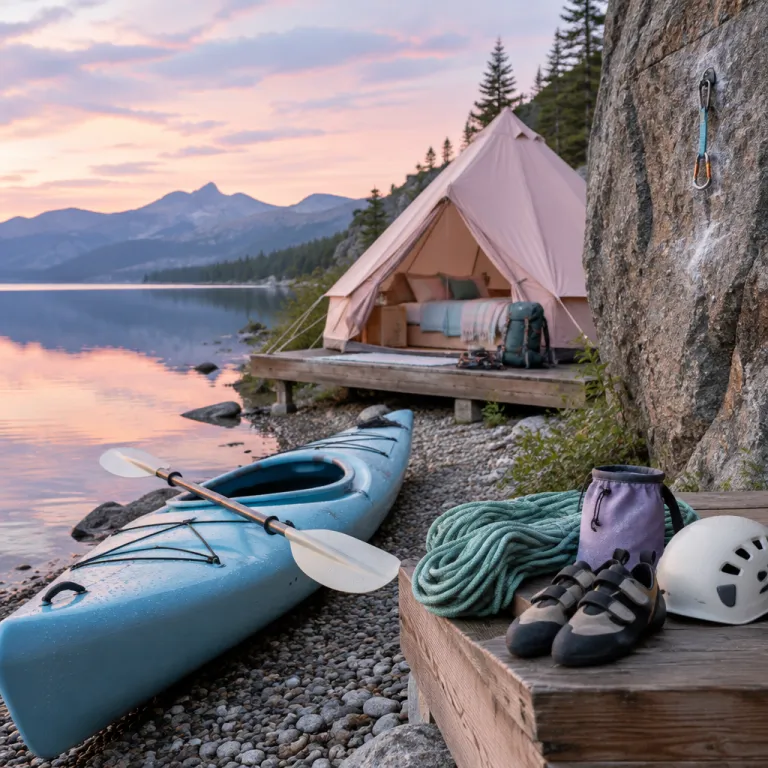
From canvas to current: what makes an activity first glamping day
At a true adventure glamping property, the day starts with the river rather than the room. The entire schedule is built around adventure glamping activities such as kayaking, hiking and tent based stargazing, so your sleeping hours bend to tides, wind and light rather than to everyday life routines. This is where a luxury tent becomes a base for outdoor adventure instead of a decorative object in a park.
Before sunrise, guides check the sea state, river flow or trail conditions, then shape the morning activities to catch the calmest water or coolest rock. Families who book these camps are not just buying a camping trip ; they are investing in a carefully timed outdoor programme where every hour has a purpose and every piece of camping gear has a job. The best family focused properties in the United States treat the canvas camp as a launchpad, not a lounge, and that shift changes the entire rhythm of your trip.
Think of it as a multi day choreography of movement and rest, with the tent as your backstage. You wake to soft light on the cape or canyon wall, step straight into a kayak or onto a trail, then return to camp for a late breakfast that tastes better because you have earned it. When a property is genuinely activity first, you feel it in the way guides talk about wind windows, in how the camp kitchen is organised around early departures, and in how kids are briefed on gear before they even unzip their sleeping bags.
Kayaking at first light: why mornings belong to the water
On an activity first itinerary, kayaking camping sessions almost always claim the dawn slot. Water is usually glassy before the breeze builds, so paddling at sunrise gives families the safest and most serene outdoor adventure while the rest of the camp is still sleeping. In coastal areas from the florida keys to the wild capes of the Pacific, this timing can mean the difference between a gentle glide and a whitecapped slog that kids will not love.
Guides at serious adventure travel camps treat kayaks like mountaineers treat ropes ; they are technical tools, not toys. You will learn how to adjust foot pegs for smaller legs, how to stow camping gear in dry bags and how to bring just enough from the camp kitchen for a mid channel snack without overloading the boat. The best family friendly properties pair each family with a guide who knows when to push for that extra cove and when to turn back toward the great outdoors calm of camp before fatigue sets in.
After two or three mornings, a multi day pattern emerges where kids anticipate the pre dawn headlamp shuffle and parents quietly appreciate the structure. You paddle out under a paling sky, watch pelicans skim the sea or manatees surface near a national park shoreline, then return to a hot breakfast and a lazy hour in the tent while the sun climbs. For those drawn to fly style experiences under canvas, the same timing logic applies to river based trips, and you can read more about how elevated wild nights work in this piece on luxury tented fly camping under the African night sky.
Trails, ridges and rock: structuring the land based hours
Once the kayaks are racked and the camp kitchen cleaned down, the focus shifts from water to trail. Hiking from a well placed camp inside a state park or just outside a national park allows guides to time routes around shade, viewpoints and the energy levels of each family. The most thoughtful properties design their adventure glamping activities so that hiking and climbing progress over a multi day stay, starting with gentle loops and building toward more ambitious ridges.
Morning land activities usually begin once the heat is manageable and the kids have refuelled, often with a briefing that feels more expedition than resort. You will learn how to pack light camping gear into a daypack, how to adjust sleeping bags and spare layers for changing weather, and how to move as a great family unit on narrow trails where younger campers need a little more attention. In the best family camping programmes, guides quietly coach parents on pacing, snack timing and how to keep the sense of adventure high without tipping into exhaustion.
By early afternoon, the sun dictates a return to canvas and shade, and this is where the tent earns its luxury label. A well designed camp in the united states or beyond offers deep verandas, proper beds for quality sleeping and enough space for kids to spread out gear without chaos. For travellers planning a complex adventure travel road trip with several sports from one base, this detailed guide to a glamping basecamp strategy for multi sport stays explains how to choose a camp that truly supports your activity first ambitions.
Family first, not just family friendly: designing days that actually work with kids
Many properties claim to be family friendly, but activity first glamping camps prove it in their timetables. The day is broken into clear blocks of activities, rest and unstructured play, which removes the constant negotiation that can derail a camping trip with kids. Parents know when the next hike, paddle or park based wildlife walk will start, and children know when they can simply be in the tent with a book or a game.
Strong family camping programmes treat kids as capable adventurers, not as luggage to be ferried between meals. Guides show younger guests how to handle basic camping gear, from rolling their own sleeping bags to helping in the camp kitchen, and that sense of responsibility often becomes the highlight of the trip. When a child can point to a cape on the map, explain the route to a viewpoint and then help light the lanterns back at camp, you are not just offering entertainment ; you are teaching outdoor skills that will last beyond this one road trip.
For parents weighing luxury against logistics, the trade off is clear. You might give up a marble bathroom for a simpler tent, but you gain a structured outdoor adventure day that a great family will love and remember. If you want a deeper dive into what children genuinely need from high end canvas stays, this guide to glamping with children and family focused luxury tent properties sets out practical checklists that go far beyond marketing language.
Choosing your basecamp: where gear, guides and canvas meet
When you book an activity first glamping stay, you are really choosing a basecamp, not just a bed. The smartest properties in the united states and beyond allocate more budget to guides, safety systems and camping gear than to decorative finishes, because they know the trail or the tide is the real luxury. For travellers comparing options, the key question is simple ; do you want the most ornate tent, or the most finely tuned adventure programme built around that tent.
Look for camps that publish sample multi day itineraries showing exactly how kayaking camping, hiking and other activities are sequenced. A strong programme might start with a gentle paddle on a sheltered sea inlet, move to a longer coastal route along a cape, then finish with a national park hike that uses everything you have learned about pacing and packing. In regions like the florida keys, where water and land blend into one long horizon, the best family oriented camps use their knowledge of tides and weather to decide which activity will lead each day.
Road trip planners should also consider access to both national and state park networks, because that mix often delivers the most varied great outdoors experiences. A camp that sits near a lesser known state park can offer quieter trails and more flexible rules for family activities, while a neighbouring national park provides the iconic views that kids will love to photograph from the tent steps. Over several seasons of reporting on these properties for luxurytentstay.com, one pattern is constant ; the camps that guests remember are the ones where the day’s design, from first paddle stroke to final lantern glow, feels effortless even though a highly trained équipe has choreographed every detail behind the scenes.
FAQ
How is an activity first glamping camp different from a regular luxury tent stay ?
An activity first camp builds its entire schedule around outdoor adventure rather than around the tent itself. Mornings are reserved for kayaking, hiking or other weather sensitive activities, with meals and downtime slotted in between. You still enjoy comfortable sleeping arrangements and quality gear, but the priority is what you do outside, not how many cushions are on the bed.
What should a family pack for an activity focused glamping trip ?
Most serious camps provide core camping gear such as sleeping bags, technical equipment and a well stocked camp kitchen. Families should bring layered clothing for changing weather, personal items like headlamps and water bottles, and any favourite snacks for kids who tire quickly. It is also wise to pack a small daypack for each child so they can carry their own essentials on the trail.
Are these activity programmes suitable for younger kids ?
Many activity first properties design specific family camping itineraries with age appropriate distances and plenty of breaks. Younger kids might start with short shoreline walks and calm water paddles, while teenagers can join longer hikes or more challenging kayaking camping routes. When you enquire, ask for sample family friendly schedules and check guide to guest ratios to ensure close supervision.
How long should we stay to get the most from a basecamp style glamping property ?
A multi day stay of at least three nights allows the programme to build in a satisfying way. The first day usually focuses on orientation and gentle activities, the second on a signature hike or paddle, and the third on a final outdoor adventure that consolidates what you have learned. Shorter visits can still be rewarding, but they rarely deliver the same sense of progression.
Can activity first glamping work for mixed ability or multi generational groups ?
Yes, provided the camp has enough guides and flexible route options. Many properties near national park or state park networks can split groups so that some guests tackle longer trails while others enjoy shorter walks or relaxed time by the sea. When booking, be honest about fitness levels and ask how the camp will adapt the schedule so that every member of your great family feels included and safe.