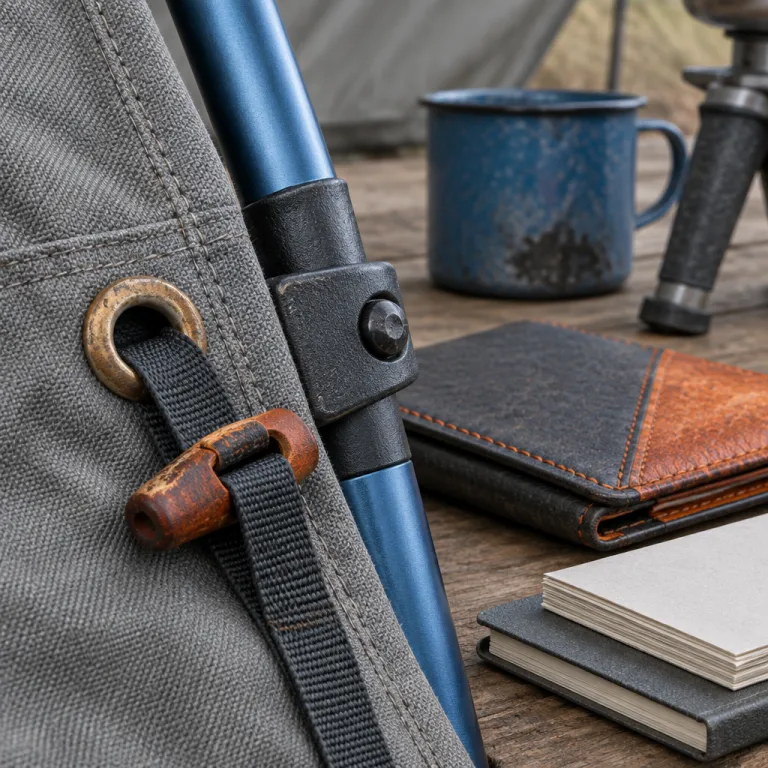
Understanding how much an African hunting safari costs from a luxury tented base
Pricing for a luxury African hunting safari based from high end tents starts with the daily rate, then adds trophy fees and accommodation extras. When travellers ask how much is an African hunting safari, they are really asking how the cost of hunting, the comfort of the camp, and the exclusivity of the hunting areas in Africa combine into one clear package price. A serious hunter or curious guest must weigh plains game opportunities, big game options, and the level of service in South African style tented camps before committing.
Most luxury hunting safaris in South Africa or Namibia quote a daily rate per hunter that covers guiding, 4x4 vehicles, trackers, meals, and a furnished tent with real beds. That daily rate for a South African hunting safari in canvas accommodation is often in the mid to upper hundreds of euros per day for plains game, while dangerous game hunts for species such as Cape buffalo can be substantially higher (based on typical 2023–2024 outfitter price lists shared through hunting associations and booking agents). Non hunters sharing the same luxury tent usually pay a reduced daily rate, which still includes game drives, guided walks across the African plains, and access to the same refined camp services.
On top of daily rates, the cost structure of African hunting safaris is driven by trophy fees for each animal taken, with kudu, blue wildebeest, black wildebeest, and mountain reedbuck all priced separately. A single kudu trophy can add several hundred to more than a thousand euros to the final safari price, while a Cape buffalo trophy fee may rival or exceed the entire cost of a shorter plains game package. Guests from the United States often underestimate how quickly multiple trophies and extended hunts across several days in different hunting areas can raise the total cost of their African hunting adventure.
Comparing luxury tented hunting packages with classic lodges
Travellers weighing how much is an African hunting safari often compare luxury tents with permanent lodges, because both offer guided hunts but very different atmospheres. A tented hunting safari in South Africa places you closer to the sounds of the African plains at night, while still providing proper beds, en suite bathrooms, and refined dining under canvas. For many hunters and non hunting partners, this balance between immersion and comfort makes luxury tents the preferred base for plains game hunts and selected dangerous game outings.
From a pricing perspective, hunting packages that use luxury tents can be slightly lower in fixed construction costs than heavy brick lodges, yet the daily rates remain premium because staffing and logistics are intense. When you compare a tented hunting safari with a traditional camp, you should look at what is included in the package price, such as laundry, airport transfers, rifle hire, and whether trophy fees for specific species like kudu or blue wildebeest are bundled. A simple way to visualise this is to imagine a sample three night plains game stay for one hunter in a luxury tented camp, where the base package might include daily guiding, accommodation, meals, and local drinks, while extras such as ammunition, specialist activities, and gratuities are added as separate line items.
Guests who mainly want to experience Africa rather than hunt every day may choose a mixed package that combines a few days of guided game hunting with several days of photographic safari from the same luxury tented camp. These blended hunts allow hunters and their families to enjoy animals such as giraffe, zebra, and antelope on non hunting days, while still pursuing selected trophies in the early morning or late afternoon. When you compare camping versus glamping style accommodation for such trips, a detailed guide to choosing your perfect luxury tent escape can clarify how much comfort you want between long days in the field.
Adventure focused luxury tent experiences for hunters and non hunters
Luxury tented camps that specialise in African hunting safaris increasingly design adventure packages that appeal to both dedicated hunters and companions who never plan to hunt. A typical day might start with a dawn game drive to glass for plains game species, followed by a late breakfast back at the tent and a quiet midday rest before the afternoon hunt. Non hunters can spend that same day enjoying spa treatments, guided birding, or cultural visits, returning to share stories around the fire as the African night closes in.
Some South African outfitters now offer fly camping extensions, where a light mobile camp is set up for one or two nights deep in remote hunting areas, while the main luxury tents remain your base. These fly camping under the African night sky experiences elevate the sense of wilderness without sacrificing safety, and they are particularly attractive for hunters pursuing mountain reedbuck or other shy species in rugged terrain. Because such adventures require extra staff, vehicles, and equipment, they increase the overall cost of the hunting safari, yet many hunters consider the added price worthwhile for the intimacy with Africa they provide.
For guests from the United States, these adventure focused hunting packages can be structured so that only some days are dedicated to active hunts, while others are reserved for photographic safari, horseback riding, or walking the African plains with a professional guide. This approach spreads trophy fees over a longer stay and allows hunters to savour the camp atmosphere, the animals, and the landscape rather than rushing from one trophy to the next. When you calculate how much is an African hunting safari under canvas, you should factor in the value of these non hunting experiences, because they often define the memories more than the final list of trophies.
Breaking down trophy fees, plains game, and big game budgets
Understanding the real cost of an African hunting safari from a luxury tented camp requires a clear view of trophy fees for each species. Plains game such as kudu, blue wildebeest, black wildebeest, and mountain reedbuck usually carry moderate trophy fees, while big game and dangerous game like Cape buffalo command much higher prices. Outfitters in South Africa and other parts of Africa publish detailed trophy lists, and serious hunters should study these before choosing hunting packages or committing to specific hunts.
For a first time hunter from the United States, a focused plains game package in South Africa that includes several common species can keep the overall safari price manageable. Such a package might include a set number of animals, like one kudu, one blue wildebeest, and two smaller antelope, with trophy fees bundled into a single cost, while additional trophies are charged separately. This structure allows hunters to know in advance how much is an African hunting safari likely to cost, while still leaving room for spontaneous hunts if a special trophy appears during the day.
By contrast, a dedicated Cape buffalo hunt or other dangerous game hunting safari often involves higher daily rates, more experienced professional hunters, extra trackers, and sometimes a second rifle for safety. These hunts usually take place in more remote hunting areas, where logistics and conservation levies increase the cost per day and the trophy fees for each animal. When you compare the price of plains game hunts with big game safaris, remember that the extra cost reflects not only the rarity and risk of the species but also the conservation work that helps keep these animals thriving across the African plains.
What luxury tented camps really include in their daily rates
Luxury tented hunting safaris justify their daily rates by offering a level of comfort and service that rivals high end lodgings while keeping you immersed in Africa. A typical South African luxury tent will feature solid flooring, high quality linens, en suite bathrooms with hot water, and often a private deck overlooking game rich plains or riverine bush. The daily rate usually includes all meals, local drinks, professional hunter services, trackers, skinners, and the use of well maintained hunting vehicles.
However, not every cost is always included in the base package, so hunters should ask detailed questions before booking. Items such as rifle hire, ammunition, airport transfers, laundry, and conservation levies may be billed separately, and trophy fees for each species are almost always additional to the daily rate. To make the budgeting process more concrete, imagine a simple cost breakdown for one hunter on a seven night plains game safari in a luxury tented camp: a core package covering accommodation, guiding, and meals, a separate allowance for trophy fees, and a smaller portion for incidentals such as tips, specialist activities, and travel days.
Non hunting guests sharing the same luxury tent often benefit from the same inclusions, such as guided nature walks, game drives, and access to lounges and fire pits, even if they never join an actual hunt. For families or groups from the United States, this makes luxury tented camps an efficient way to combine a hunting safari with a broader African holiday, because everyone enjoys the same high standard of accommodation. When you evaluate how much is an African hunting safari in a premium tented camp, always compare what each outfitter includes in the daily rates rather than focusing only on headline prices.
Planning timelines, travel logistics, and ethical considerations
Booking a luxury tented African hunting safari requires careful planning, especially for travellers flying from the United States or Europe. Most reputable South African outfitters recommend reserving prime dates many months, and often a year, in advance, particularly if you want specific species such as kudu, blue wildebeest, or Cape buffalo during their best hunting periods. Flights into major hubs like Johannesburg or Cape Town, followed by regional connections or road transfers to remote hunting areas, should be factored into both your budget and your travel time.
Ethical considerations also play a central role in how much is an African hunting safari truly worth to you, beyond the financial cost. Responsible game hunting operations in South Africa and other parts of Africa work closely with conservation authorities, local communities, and scientific monitoring programmes to ensure that hunts for plains game and big game species remain sustainable. When you choose an outfitter, ask about their quotas, how trophy fees support habitat protection, and whether they prioritise mature animals that have already contributed to the gene pool.
For many hunters and non hunters alike, the value of a luxury tented hunting safari lies in knowing that their presence supports conservation and livelihoods across the African plains. Transparent communication about where your money goes, from daily rates to specific trophy fees, builds trust and helps you feel comfortable with your decision to hunt or simply observe animals in these landscapes. By aligning your expectations, your budget, and your ethics, you can ensure that your time under canvas in South Africa or elsewhere in Africa becomes a meaningful chapter in your travel life rather than just another trip.
Key statistics about luxury African hunting safaris and tented stays
- Industry bodies and tourism authorities report that several thousand international hunters visit South Africa annually for plains game and big game safaris, with a significant share choosing tented or semi permanent camps for a closer connection to the African plains.
- Booking data from safari specialists suggest that hunters from the United States typically spend between about a week and nearly two weeks on an African hunting safari, with total trip budgets varying widely depending on species, daily rates, and the level of luxury in the camp.
- Conservation agencies in South Africa note that regulated game hunting on private land has contributed to the expansion of wildlife habitat across millions of hectares, illustrating how trophy fees and hunting packages can support the protection of animals and ecosystems.
- Market analyses of luxury tented accommodation indicate that a substantial portion of operating budgets goes to staff, guiding, and guest services, which explains why daily rates for premium tents remain elevated even when construction costs are lower than permanent lodges.
- Travel booking trends from safari planners reveal that mixed itineraries combining hunting safaris with photographic safari days have grown steadily, as more hunters and their families seek flexible packages that balance active hunts with relaxation in luxury tents.
FAQ about luxury tented African hunting safaris
How much does a first time African hunting safari from a luxury tent usually cost ?
A first time plains game hunting safari based in a luxury tented camp in South Africa is often planned around a mid four figure to low five figure euro budget per hunter, including flights from the United States, daily rates for roughly 7 to 10 days, and trophy fees for a small selection of species. The final price depends on how many animals you take, whether you add dangerous game such as Cape buffalo, and the level of comfort and exclusivity in the camp. Non hunting companions usually pay a lower daily rate, which can keep the overall family budget manageable.
What is usually included in the daily rate at a luxury tented hunting camp ?
The daily rate at a luxury tented hunting camp generally covers accommodation in a fully furnished tent, all meals, local drinks, guiding by a professional hunter, trackers, skinners, and the use of hunting vehicles. Many camps also include daily laundry, limited Wi Fi, and activities for non hunters such as game drives or guided walks. Trophy fees, gratuities, international flights, and sometimes airport transfers are usually charged separately.
Is a luxury tented camp suitable for non hunters or families ?
Luxury tented camps are well suited to non hunters and families because they offer comfortable beds, private bathrooms, and shared social spaces that feel more like a refined retreat than a basic camp. Non hunters can enjoy wildlife viewing, spa treatments, cultural excursions, and relaxed time on private decks while hunters are in the field. Many outfitters design flexible packages so that children or partners can join some game drives without participating in the actual hunt.
How do trophy fees work for plains game and big game species ?
Trophy fees are set amounts charged for each animal taken, with separate prices for plains game such as kudu or blue wildebeest and for big game or dangerous game like Cape buffalo. Some hunting packages bundle a few common species into a single price, while others charge every trophy individually, which can increase the total cost if you take many animals. Hunters should always request the current trophy fee list and clarify whether wounded animals are charged at the full rate before the safari begins.
When is the best time of year to book a luxury tented hunting safari in South Africa ?
The best period for a luxury tented hunting safari in South Africa usually falls during the cooler, drier months, when vegetation is thinner and animals concentrate around water sources. These conditions improve visibility and tracking for both plains game and big game hunts, while also making days in the field more comfortable. Because prime dates fill quickly, especially for popular species like kudu, it is wise to reserve your preferred time at least a year in advance.
