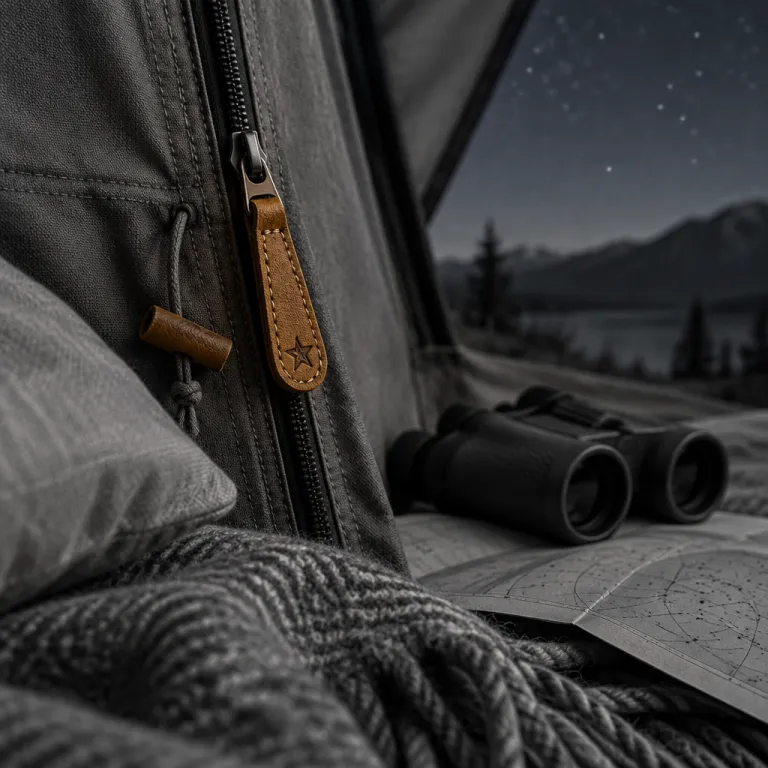
Dark sky glamping as the rarest luxury: darkness you can actually feel
A true dark sky glamping light pollution tent stay begins the moment your eyes adjust and the sky stops being a ceiling and becomes a landscape. In the best dark sky camps, the night is treated as a protected asset, with every tent positioned for an unbroken view of the horizon and the Milky Way rather than the car park. Under that kind of night sky, guests quickly understand why darkness itself has become a premium amenity that conventional resorts struggle to match.
Most urban travelers live under skies rated around Bortle class 7 or 8, where light pollution washes out all but a handful of stars. A well sited sky park style camp in a remote national landscape can reach Bortle class 2 or 3, which means the dark skies are rich enough that the Milky Way casts a faint shadow and the night sky feels almost textured. That shift in the quality of the sky view is what separates ordinary camping from a carefully curated dark sky glamping light pollution tent stay that feels genuinely transformative.
Luxury tent operators now design entire layouts around the path of the stars and the arc of the moon across the sky. Instead of building a lodge first and adding a token sky camping deck later, they start with the clearest dark sky corridor, then angle each tent so guests can stargaze from bed without a single artificial light in the frame. When the canvas walls, the glass panels, and the panorama glass roof all frame the same night sky, the result is a kind of open air suite that makes even the best city penthouse feel oddly enclosed.
How DarkSky standards turn tents into observatories
DarkSky certification, granted by the International Dark Sky Association, sets strict rules on how light is used so that the night remains genuinely dark. For a dark sky glamping light pollution tent stay, that means shielded fixtures, warm spectrum bulbs, and a lighting plan that keeps illumination at foot level while leaving the sky untouched. The goal is not theatrical darkness for its own sake, but a calibrated balance where guests feel safe walking between tents and the stars still dominate every view.
At thoughtfully run sky parks, each tent receives a lantern rather than a floodlit porch, and pathways glow softly only when motion sensors detect guests moving. Some camps near national park gateways schedule staff guided night walks, using red filtered torches that preserve night vision and keep the night sky vivid. This approach turns a simple walk back to the lodge into a stargazing experience, where guests learn to read constellations, trace the arc of satellites, and understand why dark skies are now treated as a fragile resource.
Properties close to icons such as Bryce Canyon, Big Bend, Death Valley, the Grand Canyon, or Lake Powell increasingly align their operations with DarkSky principles even when they are not formally certified. They know that guests are arriving for the same reason they visit the nearby national park, which is to feel the scale of the landscape and the sky in one continuous panorama. When a camp near a sky park or along a northern lights corridor respects those dark sky values, the tent becomes less a room and more a private observatory that quietly outperforms many glass lodge concepts in hard walled resorts.
For travelers interested in working landscapes as well as wild ones, some of the most honest dark sky experiences now sit on agricultural land. A carefully run cotton farm stay with canvas tents can offer both a grounded sense of place and a remarkably clear night sky when lighting is handled with restraint. If you are curious about this format, look for properties that treat the farm as part of the story rather than a backdrop, and explore guides to the working farm stay model in glamping before you book.
Balancing safety, comfort, and darkness in luxury tent design
Designing a dark sky glamping light pollution tent stay that feels both safe and sensuous is a technical exercise as much as an aesthetic one. Architects and lighting designers now work together to map every beam of light, ensuring that guests can navigate the park at night without ever seeing a bare bulb pointed toward the sky. The most successful camps treat each tent as a self contained cocoon, where interior light is layered and dimmable, and exterior light is almost invisible from a distance.
Inside the tent, warm white lamps, low level reading lights, and carefully placed glass panels allow guests to move from stargazing to sleep without harsh transitions. Many high end operators now install panorama glass sections in the roof or above the bed, so the night sky remains visible even when temperatures drop and canvas flaps are closed. When a private hot tub is added on a screened deck, the combination of warm water, cold air, and a perfectly framed sky view can feel more indulgent than any spa suite in a conventional resort.
Outside, the best dark sky camps rely on subtle cues rather than bright fixtures, using gravel textures, timber edging, and low bollards to guide guests between tents and the main lodge. Staff are trained to use red filtered headlamps on night rounds, and some properties offer optional stargazing escorts for solo travelers who prefer company on late walks. If you want to understand how these design choices intersect with broader sustainability commitments, look for properties that explain their eco certifications clearly, and consult resources that unpack what eco labels really mean for glamping stays before you commit.
Why darkness is a sustainability metric, not just a mood
Light pollution is now recognised as one of the most pervasive yet reversible forms of environmental impact in tourism. A dark sky glamping light pollution tent stay that follows DarkSky principles reduces wasted light, lowers energy use, and protects nocturnal wildlife that depend on natural darkness for feeding and navigation. For luxury tent operators, this is not a niche concern but a core part of how they define responsible camping in fragile landscapes.
Studies from conservation organisations show that artificial light disrupts insect populations, confuses migrating birds, and alters predator prey dynamics for species that hunt at night. When a camp near a national park or sky park commits to shielded fixtures and strict curfews, the benefits extend far beyond the tent platforms and the guests enjoying their stargazing sessions. The surrounding habitat experiences a more natural night sky cycle, which supports healthier ecosystems and aligns the resort with the conservation goals of nearby protected areas.
There is also a cultural sustainability dimension to this shift toward dark skies. Many Indigenous communities and rural residents maintain deep relationships with the stars, using the night sky as a calendar, a navigation tool, and a storytelling canvas. When luxury tent stays near places like Big Bend, Lake Powell, or the Grand Canyon protect their dark sky conditions, they help preserve that shared heritage while offering guests a more authentic sense of place than any themed lodge decor could provide.
From a business perspective, darkness can be surprisingly efficient. Fewer fixtures, lower wattage bulbs, and shorter operating hours reduce both installation costs and ongoing energy bills, even as guests are willing to pay a premium for curated stargazing experiences. This is where sustainability and luxury align neatly, turning the absence of light into a measurable asset rather than a compromise.
Pricing, timing, and how to choose your dark sky tent stay
For travelers comparing options, a dark sky glamping light pollution tent stay often carries a higher nightly rate than a standard tented resort in the same region. That premium reflects both the scarcity of truly dark skies and the expertise required to design a camp that protects them while still feeling indulgent. The question is not whether the stay costs more, but whether the quality of the night sky and the depth of the stargazing experience justify the difference for you personally.
Seasonality plays a quiet but important role in planning. In many northern hemisphere destinations, the clearest dark skies arrive around peak December, when colder air holds less moisture and the night sky feels razor sharp, while summer months such as July can offer warmer evenings but slightly softer views. If you are chasing specific phenomena, such as the northern lights in higher latitudes or the galactic core of the Milky Way over desert parks like Death Valley or Big Bend, you will want to time your stay around those celestial peak windows rather than school holidays.
When comparing properties, look beyond marketing language and ask precise questions about lighting policies, Bortle class estimates, and whether the camp sits within or near an International Dark Sky Association designated sky park. Clarify whether each tent offers a clear sky view from the bed, whether glass lodge style elements or panorama glass roofs are included, and whether shared facilities such as the main lodge or hot tub deck respect dark sky principles. For a deeper sense of how luxury tent stays handle comfort details such as heating and bathing without compromising the night, you can consult guides on elegant hot water solutions in luxury camping before finalising your booking.
FAQ
What makes a glamping site truly dark sky friendly ?
A genuinely dark sky friendly glamping site uses fully shielded, warm spectrum lighting, keeps fixtures at low height, and enforces curfews so that the night sky remains the brightest element in the landscape. The best sites also orient each tent to avoid direct views of neighbouring lights and often provide red filtered lanterns to protect night vision. If a property sits within or near an International Dark Sky Association designated area, that is a strong indicator that its lighting plan has been carefully considered.
How does a dark sky tent stay differ from regular camping ?
A dark sky focused tent stay is designed around the quality of the night sky rather than simply providing shelter outdoors. You can expect carefully controlled lighting, curated stargazing experiences, and tent layouts that prioritise sky views from the bed or deck, often with glass panels or panorama glass roofs. Regular camping may offer access to nature, but it rarely delivers the same combination of comfort, guided astronomy, and protected darkness.
Is a dark sky glamping experience safe when paths are not brightly lit ?
Well run dark sky camps balance safety and darkness by using low level, shielded pathway lights, reflective markers, and motion sensors that activate only when guests are nearby. Staff are usually available to escort guests after dark, and each tent is equipped with lanterns or headlamps designed to minimise glare. The result is a landscape that feels navigable and secure without flooding the area with unnecessary light.
Are dark sky luxury tent stays suitable for solo travelers ?
These properties can be excellent for solo travelers, especially those seeking quiet, reflective time under the stars. Many camps offer communal fire pits, guided night walks, and small group stargazing sessions that make it easy to meet other guests while still retreating to a private tent. If you are travelling alone, look for sites that mention attentive staff presence after dark and clear safety protocols.
Do dark sky standards increase the cost of a glamping stay ?
Dark sky oriented properties often charge more because they occupy remote, low light locations and invest in thoughtful design, astronomy equipment, and specialist guides. At the same time, their actual lighting infrastructure can be simpler and more energy efficient than that of a conventional resort, which helps offset some operational costs. For many guests, the ability to see the Milky Way or even the faint glow of the northern lights from their tent makes that premium feel justified.