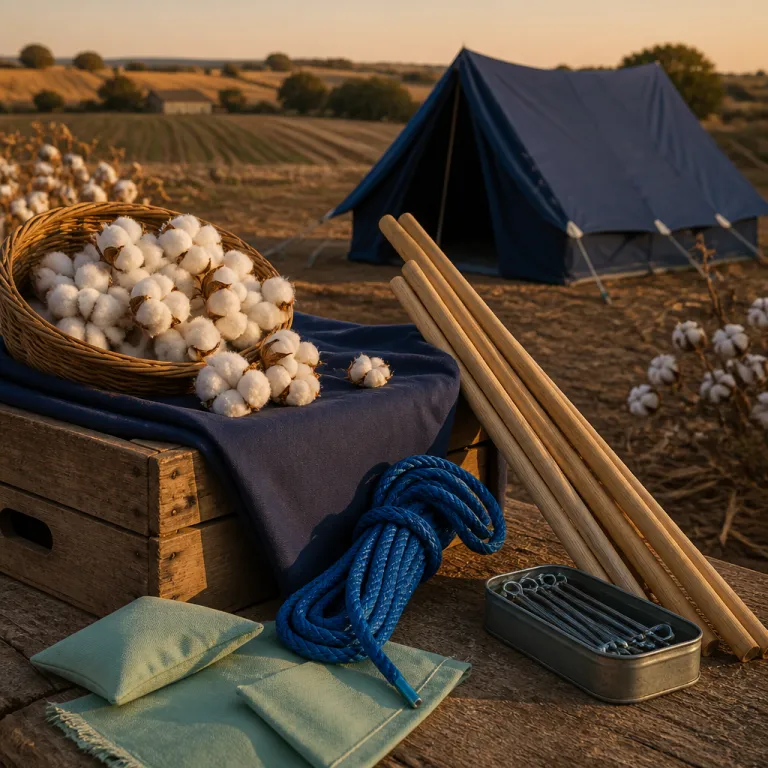
From backdrop to backbone: what a true farm glamping luxury tent agricultural stay means
A genuine farm glamping luxury tent agricultural stay begins with soil, not décor. On a working farm, the agricultural activity shapes every stay experience, from the first early tractor hum to the last lantern lit over the fields. You are not just near the land ; you are sleeping inside its daily rhythm.
In this format, the farm is not a scenic accessory for camping but the backbone of the guest experience, with planting, harvesting, and animal care unfolding around the tents. A cotton tent on cultivated land feels different from a tent on generic rural sites, because the crops, tools, and people you see are part of a living agritourism economy rather than a staged backdrop. When a property positions its tents directly on productive land, every view from the canvas door becomes a window into real agricultural work.
For travellers comparing glamping destinations, this distinction matters more than any thread count or air conditioning unit. A true farm stay will usually be zoned and insured as a working farm first and a glamping business second, which means mud on boots and the occasional dawn rooster, but also fresher food and more meaningful conversations. If you are browsing sites across the United States or Europe, look for language about crop rotations, livestock breeds, and seasonal tasks rather than vague promises of a "rustic experience". That is where a farm glamping concept stops being marketing and starts being an honest agricultural stay.
Grand Jardin, Perche: a French working farm where canvas meets cultivation
On the rolling land of the Perche region in France, Grand Jardin shows how a farm glamping luxury tent agricultural stay can be both elegant and agriculturally serious. The property has opened a glamping phase with six cotton tents spread across thirty eight hectares of working farmland, giving guests a wide view over vegetable plots, hedgerows, and pasture. Here, the tent is not a bubble separated from the fields ; it is a front row seat to the farm experience.
Founded by Romain Viennois, Grand Jardin operates as a working farm with organic vegetable cultivation already in its second season and plans for egg and cut flower production in the coming years. The farm offers a stay experience where guests enjoy produce that has travelled only a few hundred metres from soil to plate, and where the campsite paths double as routes for wheelbarrows and irrigation checks. Supported by the European Union Regional Development Fund, the site has been designed so that tents sit lightly on the land, often on a discreet tent platform that protects both roots and canvas.
For solo travellers used to safari style luxury glamping, Grand Jardin feels familiar in its attention to canvas comfort yet distinctly European in its agritourism focus. You still have proper beds, considered lighting, and, in some tents, discreet air conditioning for warmer nights, but the main amenity is proximity to the fields and the farmers. Those who have stayed in refined canvas camps abroad, such as the safari glamping tent escapes highlighted on this guide to elevated tent escapes, will recognise the same respect for landscape here, translated into a French farm stay vocabulary.
How to tell a real working farm stay from a decorative countryside campsite
Not every rural campsite offering a "farm experience" is operating as a true working farm stay. Some properties add a token vegetable patch or a pair of goats near the tents, hoping to market a farm glamping luxury tent agricultural stay without committing to the labour and risk of real agriculture. For travellers seeking authenticity, separating these decorative sites from genuine farm stays is essential.
Start with the land itself ; a real working farm will usually describe its acreage, soil type, and main crops or livestock in detail, because these elements define both revenue and guest experience. When a property talks clearly about rotations, calving seasons, or pruning schedules, you can be confident that agriculture is more than a backdrop for camping. By contrast, if the site description focuses only on hot tubs, bell tents, and generic countryside views, you are likely looking at a leisure campsite with a rural aesthetic rather than a true agritourism operation.
Regulation is another clue, especially in the United States and in regions like the Hudson Valley where zoning rules for farm stays are strict. Genuine working farm properties will often reference agricultural exemptions, conservation easements, or partnerships with local food networks, because these shape what they can build and how many guests they can host. When comparing formats, resources such as the analysis of canvas camps versus lodges on this guide to when canvas actually wins can help you read between the lines of marketing language and understand how infrastructure choices reflect deeper commitments.
Hudson Valley and beyond: where farm glamping becomes a year round cultural immersion
Across the Hudson Valley, a new wave of farm glamping luxury tent agricultural stay concepts is turning historic properties into immersive agritourism hubs. Here, the combination of rich history, fertile land, and proximity to major cities in the United States makes farm stays particularly appealing for solo travellers seeking short but meaningful escapes. Many of these sites operate year round, adjusting the guest experience to match the agricultural calendar rather than a conventional holiday season.
On a well run Hudson Valley working farm, bell tents or framed canvas tents are often positioned to frame a view of orchards, vineyards, or heritage barns, with each tent platform oriented to catch both sunrise and prevailing breezes. In summer, guests enjoy long evenings watching haymaking or vegetable harvesting, while in autumn the same accommodations become a base for apple picking, cider pressing, and cool weather camping by the fire. Winter stays can be quieter but no less rich, with pruning, planning, and livestock care offering a different kind of farm experience for those who value process over spectacle.
These Hudson Valley farm stays often double as venues for special events, from small weddings to chef led suppers that showcase what the farm offers in each season. The best properties manage to keep the glamping business in balance with the needs of the land, limiting tent numbers so that paths, meadows, and wildlife corridors remain intact. For travellers who care about impact, this restraint is part of the appeal, echoing the ethos of wildlife corridor camps profiled in this guide to tent properties on migration routes, where positioning is about ecology as much as aesthetics.
Inside the canvas: what to expect from luxury glamping accommodations on a working farm
Step into a well designed cotton tent on a working farm and you will notice that luxury glamping here feels different from a resort style campsite. The accommodations are usually generous in footprint, with proper beds, layered textiles, and sometimes air conditioning, but the real luxury lies in how the tent frames the surrounding land. Every window, flap, and deck is oriented to a specific view, whether that is a vegetable garden, a grazing pasture, or a line of historic trees.
Many farm glamping sites use raised tent platforms to protect both canvas and soil, creating a clear threshold between cultivated ground and living space while still keeping you close to the action. On some properties, bell tents cluster near the main barn for easy access to shared kitchens and showers, while on others, individual tents are scattered across the land to give solo travellers more privacy and a stronger sense of immersion. In both cases, the stay experience is shaped by sound as much as sight, from the clink of milking equipment at dawn to the soft thud of irrigation water on dry soil at dusk.
Thoughtful hosts design the guest experience so that comforts never erase the feeling of being on a working farm. You might have high quality linens and a well stocked honesty bar, yet still walk along tractor tracks to reach your tent at night. Some properties in the United States and Europe now offer optional participation in chores, allowing guests to enjoy both the contemplative side of camping and the physical satisfaction of helping with harvest or animal care. When this balance is right, a farm glamping luxury tent agricultural stay feels both restorative and grounded in reality.
Booking smart: how to choose the right farm glamping luxury tent agricultural stay for you
Choosing the right farm glamping luxury tent agricultural stay starts with clarifying how close you want to be to daily farm operations. Some guests enjoy waking to the sound of machinery and animals just beyond the tent, while others prefer a slightly removed site that still offers a strong farm view without every early morning detail. Reading property maps carefully can help you understand how tents, barns, and fields relate to one another.
Look for booking platforms and individual farm stays that describe their land use clearly, including how many tents they operate, how they manage waste, and whether the campsite is seasonal or year round. Transparent hosts will explain how the glamping business supports the broader farm, whether through direct funding of soil improvements, preservation of historic buildings, or diversification that keeps family ownership viable. If a property mentions special events, ask how often they occur and whether they change the usual guest experience, especially if you are seeking quiet solo time rather than a celebratory atmosphere.
For travellers in the United States, cross checking a farm stay against local agritourism networks or regional food alliances can provide extra reassurance about authenticity. When you read reviews, pay attention to how often guests mention real farm experience moments, such as joining a harvest, learning about crop rotations, or simply sharing coffee with farmers at dawn. A strong pattern of such stories is the clearest sign that the property offers more than surface level camping and that your own stay is likely to feel both honest and memorable.
Key figures shaping the rise of working farm glamping
- According to data from the Global Agritourism Network, agritourism revenues worldwide grew by more than 30 percent over a recent five year period, with farm stays and glamping among the fastest expanding segments, showing how travellers are increasingly seeking direct connections with working land.
- Research from the United States Department of Agriculture indicates that farms offering agritourism or recreational services, including camping and glamping, earn on average several thousand dollars more per year in diversified income than farms without such activities, helping to stabilise small and mid sized operations.
- In regions like the Hudson Valley, local tourism boards report that overnight visitors who book farm stays or glamping accommodations spend significantly more on food and drink than day trippers, reflecting the draw of on site produce and farm to table experiences.
- European Union rural development reports highlight that projects supported by funds such as the European Union Regional Development Fund, including working farm glamping initiatives like Grand Jardin, contribute both to heritage preservation and to job creation in low density rural areas.
FAQ: working farm stays and luxury tents
What makes a working farm stay different from standard countryside glamping ?
A working farm stay is based on an active agricultural operation where crops or livestock generate primary income, and the glamping element is layered onto that reality. Standard countryside glamping may sit on rural land but often treats the landscape as scenery rather than a workplace, with little or no real farming taking place. On a true working farm, guests are close enough to see and sometimes join daily tasks, which shapes both the rhythm and meaning of the stay.
Are luxury tents on farms comfortable enough for year round stays ?
Many modern farm glamping sites design their tents for three season or year round use, with insulated floors, efficient heating, and sometimes discreet air conditioning for hot spells. Comfort levels vary by property, so it is important to check details such as bedding, bathroom facilities, and how weather extremes are handled. In cooler months, the experience can feel more like refined camping, with extra blankets and wood stoves adding to the atmosphere.
How can I tell if a farm glamping site is genuinely sustainable ?
Look for clear information about soil health practices, water use, waste management, and how guest numbers are limited to protect the land. Farms that explain their crop rotations, grazing plans, and energy sources are usually more serious about sustainability than those that rely on generic green language. Independent certifications or membership in recognised agritourism or organic farming networks can provide additional reassurance.
Is a working farm stay suitable for solo travellers ?
Working farm stays can be excellent for solo travellers, especially those who value quiet, purposeful environments and informal conversation with hosts. Many farms offer communal meals or small group activities that make it easy to connect without forced socialising. If you prefer more privacy, choose a property where tents are spaced generously and where participation in farm tasks is optional rather than expected.
Do I need farming experience to enjoy a farm glamping luxury tent agricultural stay ?
No prior farming experience is necessary, and most hosts design their guest experience for curious beginners. You can usually choose how involved you want to be, from simply observing daily work to joining guided activities such as harvesting, feeding animals, or learning about soil care. The key is to arrive with respect for the land and the people who work it, and to follow any safety guidance they provide.