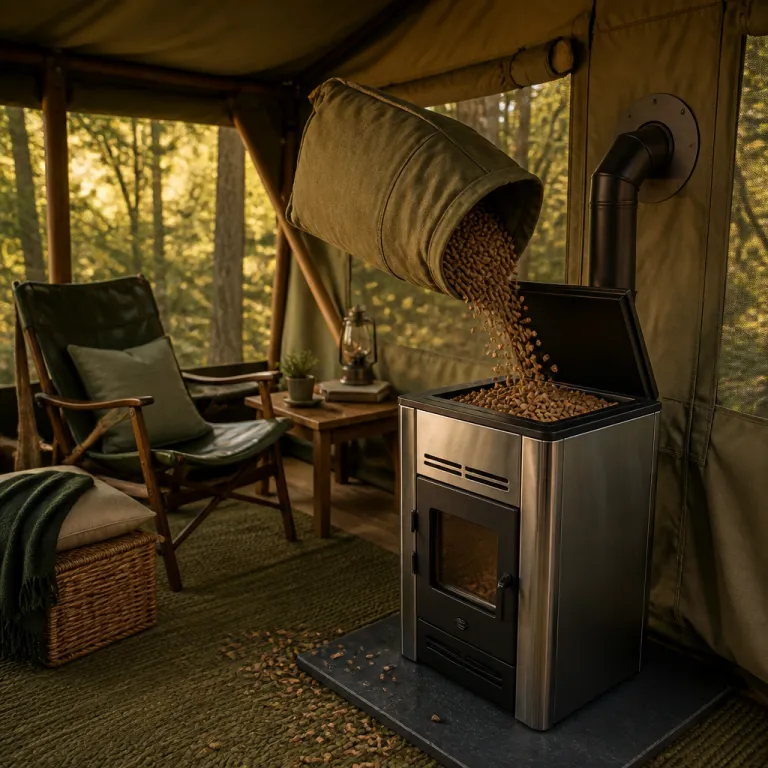
From rustic fire pits to refined tent pellet stove comfort
Luxury tent stays are evolving fast, and the quiet rise of the refined tent pellet stove is reshaping how guests experience cold nights under canvas. High end camps now pair each elegant tent with a dedicated stove that uses compressed wood pellets to deliver steady heat without the smoke and soot of a traditional wood stove. For travellers comparing premium camping options, this shift from open burning fire pits to contained pellet stoves means warmer nights, cleaner air, and a far more controlled burn.
At the heart of these systems is a compact stove body, a gravity fed hopper for pellets, and a carefully engineered chimney that vents combustion gases safely outside the tent. When a guest lights the pellet burner, the pellets burn in a highly efficient chamber, producing intense heat that radiates through the hot tent space while using far less fuel than a comparable wood burning unit. Luxury operators appreciate that a modern pellet stove can offer a predictable burn time, which allows staff to plan turn down service and safety checks with hotel like precision.
Manufacturers such as Green Stove, which produces the Hori 5 Max pellet tent stoves, and Riley Stoves, known for non electric pellet tent stoves, now work directly with luxury tent camping brands across the United States. Their portable pellet designs are tailored to large wall tent suites, safari tents, and compact stove tent layouts, ensuring that each tent stove installation respects both safety codes and guest expectations. According to manufacturer specifications and independent retailer testing published with product listings and user manuals, these tent pellet stove systems are typically rated for overnight burn times and clean combustion, giving operators performance figures they can rely on when designing guest experiences. For travellers, this means that the once rustic idea of tent camping now includes stainless steel flues, titanium wood details, and carefully curated indoor temperatures that rival many urban hotels.
How pellet tent heating works in luxury camps
To understand why a tent pellet stove feels so refined, it helps to look at how the technology works inside a premium camping setting. A staff member fills the hopper with dry wood pellets, lights the burning chamber, and adjusts the air intake so the pellets burn at the desired rate for the expected guest return time. Because the pellets are uniform, the heat output is consistent, which is a major advantage over irregular wood logs in classic wood stoves.
In a typical luxury wall tent suite, the pellet stove sits on a fireproof base, with a stainless steel chimney passing through a sealed roof jack to keep the tent fabric safe. The burning stove warms the air quickly, turning a cool hot tent shell into a cosy retreat where guests can lounge, read, or enjoy a glass of wine after outdoor excursions. Many properties now design their tents around the stove tent placement, ensuring that the portable pellet unit is both a visual focal point and a practical source of comfort during tent camping stays.
Investors have noticed that this kind of elevated camping pellet infrastructure supports the broader growth of high end glamping, as highlighted in analyses of why capital is flowing into the glamping sector on specialist investment insight platforms and outdoor hospitality reports. For operators, the ability to offer efficient pellet stoves with long burn time per load of wood pellets reduces staffing pressure during peak nights. For guests, the combination of quiet operation, visible flames, and reliable heat transforms a simple tent into a luxurious suite that feels purpose built for four season outdoor living. As one camp manager in Montana put it during an internal training session, “If the stove is still glowing when guests wake up, they remember the warmth, not the weather.”
Design innovations in luxury tent pellet stoves
Recent innovations in the tent pellet stove market focus on blending technical performance with the aesthetics expected by luxury travellers. Many high end stoves now feature brushed stainless steel bodies, glass viewing windows, and titanium wood accents that echo the natural surroundings while still looking refined. Inside the tent, the stove becomes a design anchor, balancing the soft lines of canvas walls and the plush textures of premium bedding.
Manufacturers such as Green Stove and Riley Stoves are also refining how pellets move through the hopper, using gravity fed systems that require no electricity and suit remote camping locations. This non electric approach is particularly valuable for off grid wall tent resorts, where a pellet stove must provide reliable heat without drawing on limited solar power. Guests benefit from a quiet, portable pellet system that keeps the hot tent environment comfortable through the night, even when outside temperatures drop sharply.
Luxury operators increasingly pair these stoves with thoughtful amenities such as dog friendly glamping packages, where a warm tent stove ensures that both guests and pets sleep comfortably after long outdoor walks. In these settings, staff explain how to manage the burn time, when to top up wood pellets, and how to keep the chimney clear for safe burning. The result is a refined tent camping experience where the burning stove feels intuitive to use, yet every technical detail has been engineered behind the scenes to meet premium hospitality standards.
Safety, ventilation, and staff training for pellet heated tents
Luxury properties that install any kind of tent pellet stove treat safety as a core part of the guest experience, not an afterthought. Every tent stove is mounted on a stable, non combustible surface, with generous clearances from fabrics, luggage, and furniture to prevent accidental burning incidents. Staff are trained to keep flammable materials away, check that the chimney is correctly seated, and verify that vents are open before lighting the stove.
Proper ventilation is essential because even efficient pellet stoves and wood burning systems produce combustion gases that must exit the tent safely. High end operators use insulated stainless steel flues, roof jacks with heat resistant gaskets, and sometimes secondary spark arrestors to protect the tent roof from hot embers. In North America, many installers reference guidance from standards such as NFPA 211 for chimneys and vents or CSA B365 for solid fuel burning appliances when adapting best practices to tent structures, and similar regional regulations apply elsewhere. Guests are briefed on how to operate the portable pellet unit, how to adjust the air controls to manage heat, and how to monitor the burn time so the stove does not run unattended for longer than recommended.
Clear communication also extends to written guides inside each wall tent, where guests can read step by step instructions before they start camping pellet fires. These guides explain how to load the hopper with wood pellets, how to recognise a clean burn, and when to contact staff if the pellet burner behaves unexpectedly. A case study from a 12 tent glamping site in British Columbia, documented in an installer training webinar, reported zero stove related incidents over two winter seasons after adopting quarterly chimney inspections and checklists based on manufacturer manuals and NFPA style clearance rules. By combining rigorous training, high quality tent stoves, and regular inspections based on manufacturer guidance and industry best practice, luxury camps can offer the charm of a wood stove or burning stove with the reassurance that every safety detail has been considered.
Sustainability and the rise of the green pellet stove
Environmental performance now shapes how luxury tent operators choose each tent pellet stove, especially for guests who prioritise low impact travel. Modern pellet stoves use compressed wood pellets made from sawmill by products, which supports a circular approach to fuel sourcing compared with cutting fresh logs for every wood stove. Because pellets burn more completely, they typically release less particulate matter than traditional wood burning fires, which aligns with the expectations of eco conscious travellers.
Some camps market their systems explicitly as a form of green stove technology, highlighting the renewable nature of wood pellets and the efficient combustion achieved in contemporary pellet burner designs. Non electric models from brands such as Riley Stoves are particularly attractive for off grid camping sites that want to minimise both emissions and infrastructure. Guests who read sustainability statements often appreciate transparent explanations of burn time per hopper load, estimated fuel consumption per night, and how these figures compare with older stoves, especially when supported by manufacturer data sheets or independent emissions testing from accredited laboratories.
Eco certifications and independent audits are becoming more common in this segment, and many operators now align their heating choices with broader environmental standards for glamping. Detailed guides to eco labels in luxury camping explain how efficient tent stoves, responsible wood pellets sourcing, and careful chimney design contribute to lower overall impact. When a guest steps into a hot tent warmed by a portable pellet unit, they are increasingly aware that comfort, style, and sustainability can coexist in a single refined camping experience.
What travellers should check before booking a pellet heated luxury tent
Guests comparing luxury tents with a tent pellet stove should look beyond the marketing photos and ask specific questions about the heating system. It is worth confirming whether the tent stove is a modern pellet stove or a traditional wood stove, because each has different fuel handling requirements and burn characteristics. Travellers who value uninterrupted sleep may prefer pellet stoves, since a full hopper of pellets can offer a long, predictable burn time with minimal refuelling.
Another key point is to ask how the wall tent or safari tent is ventilated, and whether the chimney passes through a certified roof jack with proper clearances. High end operators will explain how they manage wood burning safety, how staff assist with lighting the burning stove, and whether guests may adjust the portable pellet controls themselves. It is also helpful to know whether the property supplies all wood pellets and kindling, or whether guests must purchase extra fuel for extended camping stays.
Finally, travellers should consider how the heating system fits into the overall style of tent camping they prefer, from minimalist outdoor adventures to fully serviced hot tent suites with hotel level amenities. Some guests enjoy tending a titanium wood or stainless steel stove tent unit, while others prefer staff to manage every aspect of the burn. By asking clear questions in advance, guests can ensure that the tent stoves, pellets, and overall heating concept align perfectly with their expectations for a refined, comfortable, and safe stay in nature.
Key figures on luxury tent pellet stoves
- Independent testing from specialist retailers indicates that a typical pellet stove can burn for approximately 7 to 8 hours per 40 lb (around 18 kilograms) of pellets, which usually covers a full winter night in a well insulated wall tent when the stove is correctly sized.
- Data from camping equipment suppliers in the United States shows that non electric pellet stoves now represent a growing share of tent stove sales, reflecting increased interest in off grid heating solutions for remote luxury camps.
- Industry feedback suggests that efficient pellet burner designs can reduce wood fuel consumption by up to one third compared with comparable traditional wood stoves, while maintaining similar levels of heat output inside tents.
- Operators report that using standardised wood pellets simplifies logistics, since a single pallet of bagged pellets can heat multiple tents for an entire peak season without the storage challenges associated with loose firewood.
FAQ about luxury tent pellet stoves
How long does a pellet stove burn in a luxury tent ?
How long does a pellet stove burn? Approximately 7–8 hours per 40 lb (about 18 kg) of pellets, based on typical manufacturer specifications and retailer tests. In a well designed wall tent, this burn time usually keeps the interior warm from evening turn down until early morning, especially when the stove and chimney are correctly sized. Guests should still confirm with the property how often staff check the stove during the night.
Are pellet stoves safe for tents in premium camps ?
Are pellet stoves safe for tents? Yes, with proper ventilation and safety measures. Luxury operators install stainless steel flues, use fireproof bases, and train staff to manage clearances and airflow, which significantly reduces risk. Guests receive clear instructions on how to operate the tent pellet stove and when to request assistance.
Do pellet stoves in tents require electricity ?
Do pellet stoves require electricity? Some models operate without electricity. Many high end camping sites choose non electric pellet tent stoves from manufacturers such as Riley Stoves, because they suit remote locations and simplify maintenance. Gravity fed hoppers allow pellets to burn steadily without fans or control panels.
What is the difference between a pellet stove and a wood stove in a tent ?
A pellet stove uses processed wood pellets that feed from a hopper, while a wood stove burns split logs loaded by hand. Pellet stoves usually offer more consistent heat and longer burn time, which is attractive for luxury tent camping where guests expect stable comfort. Traditional wood burning units, however, can appeal to travellers who enjoy the ritual of tending a live fire.
Which safety checks should I ask about before booking a pellet heated tent ?
Travellers should ask whether the tent stoves are installed on non combustible bases, how the chimney passes through the tent roof, and how often staff inspect the burning stove during guest stays. It is also wise to confirm that carbon monoxide alarms and fire extinguishers are present in each tent. Clear answers to these questions indicate that the operator treats the tent pellet stove as a core part of its safety culture.