What is a hot tent in luxury travel?
Understanding what a hot tent is in a luxury travel context
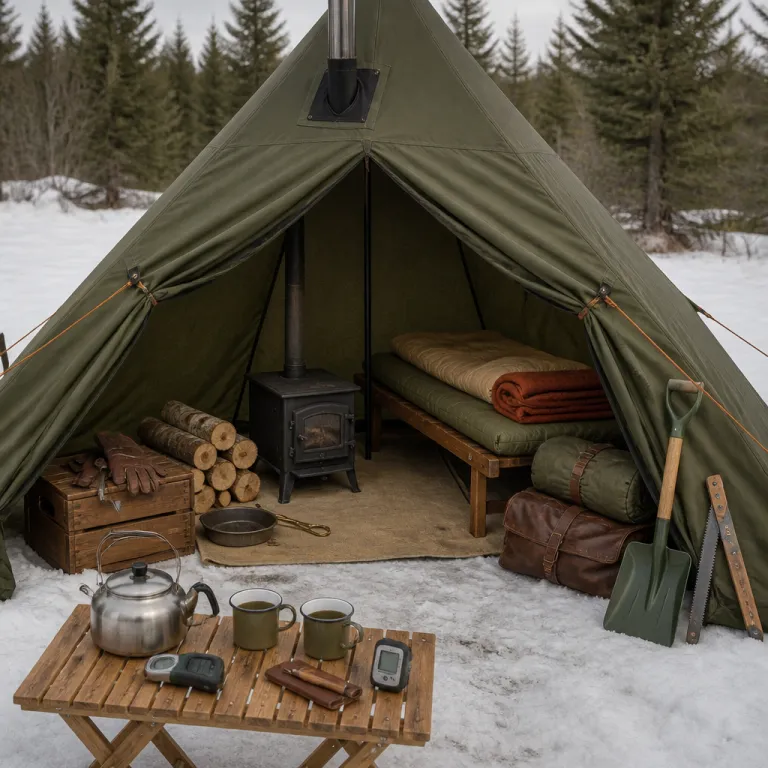
A hot tent is a purpose-built shelter engineered to work safely with a wood-burning stove so guests can enjoy real warmth in cold weather. In luxury travel, this usually means a spacious canvas or technical fabric tent where a discrete stove jack channels the flue outside, turning tent camping into a refined winter suite. For travelers comparing a regular tent with hot tents, the key difference is that the interior becomes a heated living room rather than simply a place for a sleeping bag.
Industry definitions are clear and precise: “What is a hot tent? A tent designed for use with a wood-burning stove.” This design allows a wood stove or titanium stove to operate as a central heating unit, while fire-resistant panels and controlled ventilation keep the air clean and the structure safe. Because these tents are built for winter camping and cold weather, they extend the camping season into months when a regular tent would feel harsh and uncomfortable.
Luxury booking platforms now curate hot tent experiences the way they once curated suites, focusing on tent size, number of person per unit, and the quality of integrated stoves. Guests can filter by season tents suitable for long term stays, by green energy features, or by whether tent bundles include premium winter gear. When you browse reviews, pay attention to how well tents built for winter manage condensation, how quick they are to heat, and whether the unit price reflects the level of comfort you expect from a premium stay.
Key features that distinguish luxury hot tents from regular tents
Luxury hot tents start with generous floor space, high walls, and a carefully positioned stove jack that keeps the tent stove stable and safe. Unlike a regular tent, these structures are engineered so that a wood stove or titanium stove can run for hours, turning winter camping into a calm, hotel-like experience. Many season tents in the premium segment also add insulated floors, double-layered doors, and panoramic windows so the inside tent feels more like a private lounge.
For travelers, the most important feature is how well the tent manages heat and airflow during cold weather nights. A well designed hot tent will warm up quick, distribute heat evenly, and still vent smoke and moisture efficiently through the stove jack and roof vents. This balance matters whether you are a solo person on a pro level expedition or a couple booking a romantic tent camping escape with a dog friendly glamping package, such as those highlighted in premium dog friendly glamping escapes.
Luxury booking sites also highlight integrated gear, from curated tent bundles with matching tents stoves to premium sleeping bag selections rated for deep winter. Some hot tents come with dedicated storage for wood, a protected area for wet winter gear, and even modular units that can be linked for larger groups. When you compare options, look for details such as how the tents are built, whether the tent stove has a glass door for ambience, and how the regular price compares with the sale price during quieter season camping periods.
How hot tent technology elevates premium winter camping comfort
Modern hot tent technology has transformed winter camping from a rugged challenge into a luxurious, curated experience. Lightweight fabrics, advanced coatings, and precision cut stove jack panels allow a hot tent to stay warm while remaining portable enough for remote sites. For guests booking through a luxury and premium platform, this means you can enjoy hotel level comfort in a tent unit placed beside a frozen lake or deep in a snow covered forest.
Inside a well specified hot tent, the wood stove becomes the heart of the space, radiating heat toward lounge chairs, a thick rug, and a high quality sleeping bag on an elevated bed. Many hot tents now pair a compact titanium stove with heat resistant glass, so you can watch the flames while your winter gear dries neatly on racks. One Scandinavian operator reports that guests often describe the moment they step from minus ten degree air into a twenty degree interior as “like walking into a mountain cabin that just happens to have canvas walls,” and that contrast defines the value of winter camping in this category.
Luxury operators often assemble tent bundles that include curated tents stoves, premium cookware, and even tasting menus designed for slow cooking on a tent stove. These packages simplify planning for each person in the group and ensure the unit price reflects both the hardware and the hospitality. For a deeper look at how high end operators balance authenticity with comfort as the sector grows, examine this analysis of how luxury camping can stay honest while expanding, which is highly relevant when evaluating long term trends in hot tents.
Pricing, value, and what affects the cost of a luxury hot tent stay
When travelers ask what a hot tent is in pricing terms, they are really asking how the comfort compares with the regular price of a premium room. Market data from leading outdoor retailers shows that the purchase cost of quality hot tents ranges widely, from around 250 USD for compact models to well over 800 USD for large canvas setups with advanced stove systems. For example, published price ranges from major brands such as Esker, OneTigris, and Robens illustrate how capacity, fabric weight, and stove compatibility quickly move a tent from entry level to premium. The unit price of a hosted stay, however, reflects location, service level, and included gear rather than just the tent itself. On a luxury booking website, you will see a clear difference between the regular price of a basic tent unit and the sale price of a fully serviced winter camping package with staff support.
Several factors drive the final price of hot tents in a hospitality context, starting with the quality of materials and the complexity of the stove system. A tent built with heavy canvas, reinforced floors, and a high efficiency titanium stove will command a higher unit price than a lighter model with a standard wood stove. The presence of private bathrooms, curated dining, and guided season camping activities also raises the sale price, especially in remote destinations where logistics are demanding.
From a value perspective, guests should compare what is included in tent bundles rather than focusing only on the headline price. A package that includes all winter gear, from insulated sleeping bag sets to pre chopped wood and pro level stoves, may offer better long term value than a cheaper stay where you must rent each item separately. Read reviews carefully to see how well the advertised inclusions match reality, and check whether the regular price is justified by the quality of tents, stoves, and service you actually receive.
Safety, comfort, and practical tips for staying in hot tents
Safety is central to the design of every serious hot tent, especially when a wood stove operates for many hours in cold weather. Operators follow strict guidelines: they ensure proper ventilation, use fire-resistant materials, and follow safety guidelines for stove use. For guests, this means you can enjoy winter camping warmth while still feeling confident that the tent unit has been prepared with professional care.
Inside tent layouts are planned so that the tent stove sits on a fireproof mat, with clear space around it and a direct path to the stove jack. Luxury hosts brief each person on how to manage the stoves, where to store wood, and how to balance airflow so the tent stays hot without becoming stuffy. You should always keep flammable winter gear and your sleeping bag well away from the stove, and never leave a burning fire unattended when everyone is asleep.
Comfort wise, a hot tent allows you to move freely in warm layers rather than huddling in a sleeping bag as you would in a regular tent. Many season tents in the luxury segment include separate zones for tent camping relaxation, dining, and storage, which is especially helpful on long term stays. Before booking, check reviews for comments on how quick the tent heats up, how well the ventilation works in cold weather, and whether the tent bundles include essentials such as carbon monoxide detectors and high quality stoves.
How to choose the right luxury hot tent stay for your trip
Selecting the right hot tent stay starts with clarifying how you like to travel and how many person will share the space. Couples may prefer an intimate tent unit with a compact titanium stove, while families often need larger tents built with multiple rooms and generous storage for winter gear. Solo travelers on pro level adventures might choose minimalist hot tents that prioritize performance over decorative details, especially for remote winter camping routes.
Next, consider the climate and season camping conditions at your chosen destination, because cold weather varies widely between mountain valleys and coastal forests. In harsher climates, look for season tents rated for deep winter, with robust stoves, thick floors, and strong anchoring systems that keep the tent stable in wind. In milder regions, a lighter hot tent with a smaller wood stove may be enough, allowing you to enjoy a more open, airy inside tent layout.
Finally, evaluate the full package rather than only the headline price, paying attention to both regular price and any sale price offers. Check whether tent bundles include all tents stoves, wood supplies, and sleeping bag sets, or whether you must bring your own winter camping gear. For a broader perspective on how luxury camping gear shapes the guest experience, you can review this guide to essential luxury camping gear, then match those insights with the specific hot tent stays you are considering.
Future trends and innovations in luxury hot tent hospitality
Luxury hot tent hospitality is evolving quickly as manufacturers and hosts respond to the rising popularity of winter camping. Modern tents are built with lighter yet stronger fabrics, improved insulation, and modular designs that allow several tent units to connect for groups. At the same time, wood stove technology is advancing, with cleaner burns, better heat control, and titanium stove models that reduce weight without sacrificing performance.
One emerging trend is the integration of green energy solutions alongside traditional stoves, such as solar panels powering subtle lighting and efficient fans that circulate hot air. This approach keeps the romantic appeal of a wood stove while reducing the environmental impact of long term season camping stays. Luxury operators are also experimenting with smart sensors that monitor temperature and air quality inside tent spaces, giving staff real time data to keep guests comfortable and safe.
From a guest perspective, the future of hot tents will likely bring more tailored experiences, from chef led culinary weekends focused on tent stove cooking to wellness retreats that use winter camping as a backdrop for digital detox. As reviews accumulate and best practices spread, the regular price of premium packages should align more closely with the quality of tents, stoves, and service on offer. Travelers who understand what a hot tent is, how it works, and how to read the fine print on tent bundles will be best placed to choose stays that feel both indulgent and authentic.
Key statistics about hot tents and winter camping
- Retail listings from major outdoor brands show that the purchase cost of a quality hot tent typically starts in the mid hundreds of USD and can rise significantly for large canvas models with integrated stove jacks, which helps explain why hosted luxury stays using these tents often carry a higher unit price than regular camping options.
- Industry surveys from camping associations and outdoor gear retailers indicate that a growing share of cold weather campers now choose hot tents or heated shelters for winter camping, showing how this niche has moved into the mainstream for cold weather travel experiences.
- Modern hot tent designs, using advanced lightweight materials and refined stove jack systems, have significantly reduced the overall weight of tents and stoves compared with traditional canvas setups, making remote luxury tent camping more accessible.
- As winter camping grows in popularity, many premium operators report higher occupancy rates in cold weather months than in shoulder seasons, reflecting a shift in how travelers view the season camping calendar.
FAQ about luxury hot tents
What is a hot tent in simple terms for travelers ?
A hot tent is a specially designed tent that safely accommodates a wood burning stove, allowing guests to stay warm and comfortable during cold weather or winter camping. In luxury hospitality, this means a spacious, well insulated tent unit with a dedicated stove jack and curated gear. The result is a heated, hotel like interior rather than a basic sleeping space.
Is it safe to use a stove inside a tent during a stay ?
Yes, it is safe to use a stove inside a tent when the structure is specifically designed as a hot tent and safety guidelines are followed. The official guidance is clear: “Is it safe to use a stove inside a tent? Yes, if the tent is designed for it and safety guidelines are followed.” Luxury operators add fire resistant materials, proper ventilation, and staff training to maintain high safety standards.
Can hot tents be booked for summer or only for winter ?
Hot tents can be used year round, including in summer, as long as ventilation is managed carefully to prevent overheating. Many luxury sites open roof vents, roll up sidewalls, or simply leave the stove unused during warm nights. This flexibility allows the same tent unit to serve as a cozy winter retreat and an airy summer lounge.
How does a luxury hot tent stay compare with a regular tent stay ?
A luxury hot tent stay offers far more comfort than a regular tent stay, especially in cold weather. Guests enjoy a heated interior, real furniture, premium sleeping bag sets, and curated winter gear, all supported by professional hosting. The experience feels closer to a private suite in nature than to traditional tent camping.
Who typically uses luxury hot tents in the travel market ?
Luxury hot tents attract a wide range of guests, from couples seeking romantic winter escapes to families wanting comfortable tent camping with children. They also appeal to pro level outdoor enthusiasts who value warmth and safety after demanding days in the snow. For all these travelers, the combination of a well designed tent, efficient stoves, and attentive service creates a compelling alternative to conventional accommodation.