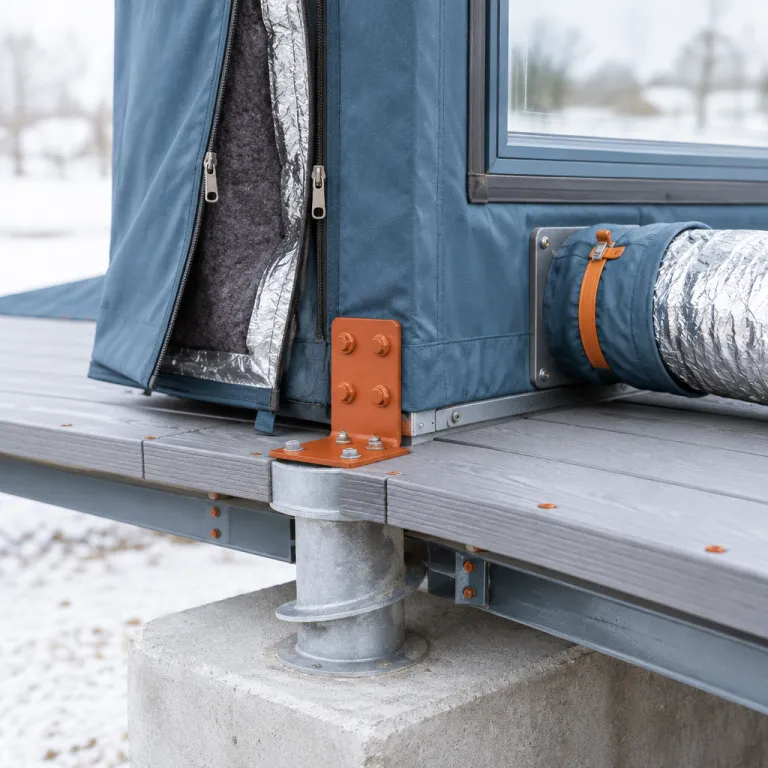
Why luxury tent camps are staying open all year round
Across the high end glamping world, a quiet shift is underway. Seasonal operators who once zipped their canvas doors shut after the last autumn leaf fell are now running year round glamping camp winter tent operations with a deliberate, data led strategy. For couples used to booking only summer glamping tents, this change opens a new calendar of stays where snow, silence and a hot tent glow become part of the experience.
The traditional camping tent model in North America has been simple ; most luxury tent camps open in late spring and close by mid autumn, mirroring traditional camping seasons and chasing the warmest months of the year. Rates for the best glamping style properties often climb 40 to 60 percent in peak summer compared with shoulder weeks, yet the tents themselves sit empty for long winter stretches. Operators now see that winter glamping can extend revenue, smooth staffing and create deeper guest loyalty, especially for couples who travel outside school holiday windows.
For travellers, the appeal is obvious once you step inside a well designed glamping tent in the snow. Instead of a thin camping tent and a shivering night, you find insulated canvas, a crackling tent stove and carefully engineered heating that keeps the interior hot while the air outside stays brutally cold. Year round glamping camp winter tent operations are not about roughing it ; they are about using quality tent designs, wood stoves and fire resistant materials to create a cocoon where you can watch nature at its most dramatic from a bed that feels genuinely luxurious.
From six month pop up to twelve month business model
Most luxury tent camps began as six month pop ups, built around bell tents or safari style tents that could be packed away before the first serious winter storm. That model kept capital costs lower, but it also meant that every year brought a full setup and breakdown cycle, with canvas, poles and stoves repeatedly stressed by transport. As demand for glamping grew, investors realised that year round glamping camp winter tent operations could turn a short season indulgence into a more resilient hospitality business.
On the owner side, the economics are compelling when you look beyond a single year. A camp that once operated from May to October can now add winter camping weeks, charging premium rates for winter glamping experiences that feel rare and cinematic. Analysis from specialist investors in outdoor hospitality, as explored in this in depth look at the canvas investment boom on why investors are pouring capital into glamping, shows that extending the operating calendar can improve overall return on investment even if cold season occupancy remains modest.
For guests, the shift from pop up to permanent means more consistent quality and more refined tent designs. A luxury tent that stays in place all year round can be hard wired for proper heating, fitted with a permanent stove jack and insulated flooring, rather than relying on temporary fixes each season. Couples booking glamping tents in January or March now find that the tent stove, the wood supply and the canvas insulation have been tested through multiple winters, not improvised in a rush before the first snow.
How technology makes winter tent stays genuinely comfortable
The difference between traditional camping and modern winter glamping is not just a thicker sleeping bag. It is a full stack of technology, from fire resistant canvas to precision cut stove jacks that allow wood stoves to vent safely while keeping the tent interior warm. In serious cold, a proper hot tent setup can hold steady at comfortable room temperatures while the outside drops well below freezing, turning a simple tent camping night into something closer to a private chalet experience.
At the heart of most year round glamping camp winter tent operations is the tent stove, usually a compact wood burning unit designed for efficient heat and minimal smoke. These stoves sit beneath a reinforced stove jack in the roof or wall of the glamping tent, with double walled flues that reduce the risk of sparks and carbon monoxide build up. Operators now specify fire resistant floor mats, insulated walls and carefully calculated clearances between stoves and canvas, borrowing safety standards from both mountaineering tents and small cabin design.
For couples considering their first winter camping style stay, it helps to understand what a true hot tent is and how it differs from a basic camping tent with a heater. A genuine hot tent is purpose built for a live flame, with integrated stove jacks, structural reinforcements and ventilation that balances heating with air quality, as explained in detail in this guide to what a hot tent really is. When you see bell tents with snow loaded on the roof yet feel steady, dry heat from the wood stoves inside, you understand why more operators are confident about staying open all year round.
Design innovations in luxury tents built for all seasons
Canvas has evolved from simple cotton sheeting into a technical material that underpins many of the most refined glamping tents on the market. High quality blends now combine breathability with water resistance and fire resistant treatments, allowing a luxury tent to handle both hot summer sun and driving winter sleet. For couples, that means you can sleep under canvas in July or January and still feel that the interior climate is properly controlled.
Bell tents remain a favourite for many year round glamping camp winter tent operations because their geometry sheds snow efficiently while creating generous interior volume. Modern bell tent designs often add insulated liners, raised wooden platforms and integrated bathroom pods, transforming what was once a simple camping tent into a self contained suite. Some camps pair multiple bell tents around a central hot tent lounge, giving guests a choice between private sleeping tents and shared social spaces with larger stoves and more expansive heating systems.
Not every property relies on bell tents ; some opt for stretched canvas pavilions or hybrid camping tents with rigid frames and soft walls. The common thread is a focus on proper setup, from anchoring against winter winds to routing stove pipes through certified stove jacks that keep carbon monoxide risks under control. When you browse the best glamping options on specialist platforms, look for clear descriptions of tent designs, insulation, heating and wood storage, because those details tell you whether a camp is genuinely four season or simply stretching a summer setup into the cold.
Guest experience in winter: romance, wildlife and real warmth
For couples, the emotional case for winter glamping is as strong as the financial case is for owners. There is a particular kind of romance in stepping from hot tent air into crisp night cold, then watching the sky fill with stars while your breath hangs in the stillness. Year round glamping camp winter tent operations make that moment repeatable, not a once in a lifetime stroke of luck with the weather.
Inside the glamping tent, the experience feels closer to a small lodge than to traditional camping, especially when operators pay attention to lighting, textiles and the choreography of heat. A well placed tent stove becomes the visual and social centre of the space, with wood stacked neatly, fire resistant hearth pads underfoot and seating arranged to frame both the flames and the view outside. Camps that understand this often pair their canvas suites with guided walks, snowshoe trails or wildlife focused excursions, echoing the ethos of properties highlighted in this feature on luxury tent camps that put wildlife first.
Safety remains non negotiable, and the best operators are transparent about how they manage carbon monoxide, ventilation and emergency procedures. Guests should expect clear briefings on how to operate tent stoves, where to store wood and how to balance heat with airflow during the night. When those basics are handled with professionalism, winter camping in high end camping tents becomes less about enduring the cold and more about choosing how you want to experience nature from the comfort of a carefully heated canvas sanctuary.
How to choose a true four season glamping camp
When you search for winter glamping stays, you will see a wide range of promises, from simple tent camping with a plug in heater to fully insulated glamping tents with spa level bathrooms. The key is to read beyond the marketing language and look for specific details that signal serious year round glamping camp winter tent operations. Start with the basics ; ask whether the tent is purpose built for a stove, whether the canvas is rated as fire resistant and how the camp manages snow load and wind.
Next, focus on the heating system, because that will define your comfort during the coldest hours of the year. A genuine luxury tent for winter should have a dedicated tent stove or similar unit, installed through certified stove jacks with clear information about ventilation and carbon monoxide detectors. Camps that rely only on small electric heaters inside standard camping tents may be fine for cool shoulder seasons, but they rarely provide the deep, radiant heat that makes a hot tent feel indulgent rather than improvised.
Finally, consider the overall setup and service model, because even the best glamping hardware needs proper human support. Look for properties that describe how they pre heat tents before arrival, how often they restock wood and how staff are trained to manage stoves and safety checks throughout the year. When those operational details align with thoughtful tent designs and a clear respect for nature, you can book with confidence, knowing that your winter camping style escape will feel both adventurous and reassuringly well run.
Key figures shaping year round luxury glamping
- Outdoor Hospitality industry analysts report that extending from a six month to a nine month season can increase annual revenue by 20 to 30 percent for well located glamping camps, even when winter occupancy averages only 30 to 40 percent compared with summer peaks.
- Specialist insurers note that fire resistant canvas and certified stove installations can reduce fire related claims by up to 50 percent compared with older, untreated tents, which is one reason many new luxury tent projects specify upgraded materials from the outset.
- Guest review data from major booking platforms shows that winter glamping stays often achieve satisfaction scores 0.2 to 0.4 points higher on a five point scale than equivalent summer stays, largely due to perceived uniqueness and the cosy atmosphere created by wood stoves.
- Infrastructure investments for true year round glamping camp winter tent operations, such as insulated platforms, all weather access roads and upgraded heating, typically add 15 to 25 percent to initial build costs but can shorten payback periods by several years when combined with premium winter rates.
FAQ about year round luxury glamping tent stays
Are winter glamping tents really warm enough in sub zero temperatures ?
Well designed glamping tents for winter use combine insulated canvas, raised flooring and efficient wood stoves or other heating systems to maintain comfortable indoor temperatures even when it is far below freezing outside. The key is a proper hot tent setup with a correctly installed stove jack, good ventilation and enough thermal mass in the structure to hold heat between fuel loads. When those elements are in place, couples can sleep comfortably with only light layers while snow builds up quietly outside.
How safe are tent stoves and stove jacks in luxury tents ?
In professional year round glamping camp winter tent operations, tent stoves are installed according to strict clearances, with fire resistant floor and wall protection and certified stove jacks that seal tightly around the flue. Camps should provide carbon monoxide detectors, clear operating instructions and regular staff checks, especially during the night. Guests should always follow guidance on fuel type, ventilation and ash disposal to keep both heat and safety at the right level.
What should couples pack for a winter glamping stay ?
Even when the luxury tent is fully heated, you will spend time outside walking between tents, visiting shared facilities or exploring nature. Pack layered clothing, waterproof boots, hats and gloves, plus any personal comfort items such as hot water bottles or preferred sleepwear. Inside the tent, most high end camps provide quality bedding, extra blankets and sometimes even heated mattress pads, so your main focus should be staying warm and dry on the way to and from your canvas retreat.
Is winter glamping more expensive than summer stays ?
Nightly rates for winter camping style glamping often run higher than shoulder season prices because operating costs increase and inventory is usually more limited. However, you may find better value compared with peak summer weekends, especially in regions where traditional camping demand drops sharply in the cold months. For couples with flexible dates, midweek winter stays can offer a compelling balance of price, privacy and atmosphere.
How can I tell if a camp is truly four season or just extending its dates ?
Look for specific mentions of insulated structures, permanent heating systems, fire resistant canvas and all weather access, rather than vague promises about cosy tents. Serious year round glamping camp winter tent operations will describe their tent designs, stove installations, snow management and safety protocols in detail. If that information is missing, ask directly before booking, because a genuine four season camp will be proud to explain how it keeps guests warm, safe and comfortable throughout the year.