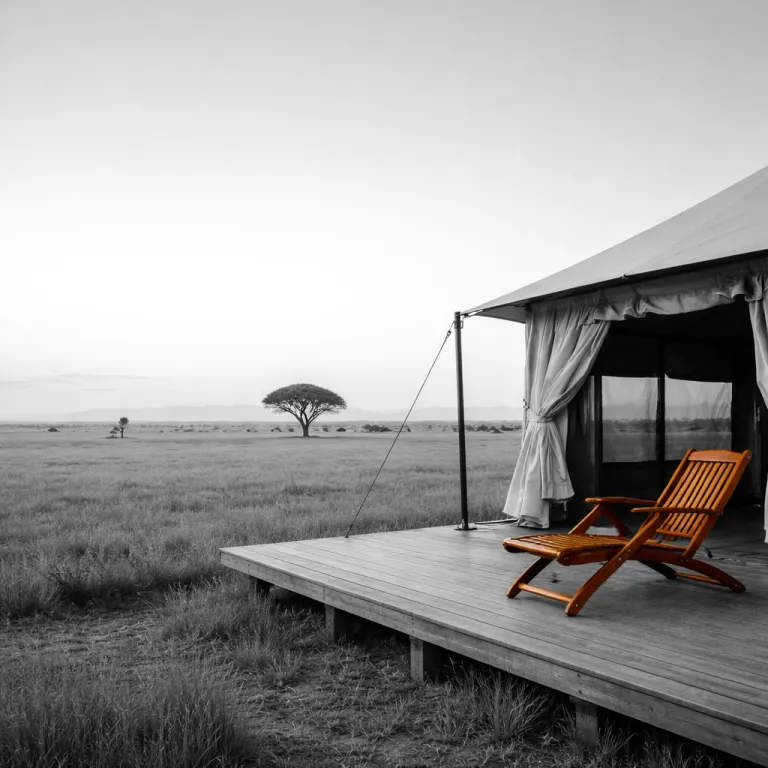
What makes a wildlife first luxury glamping safari tent stay
A true wildlife focused glamping safari tent camp starts with location, not décor. The best operators position their tents where animals move naturally, so your stay feels like a front row seat rather than a fenced off show. Canvas is simply the frame for an experience where the land, the light, and the dawn chorus set the schedule for guests of all ages.
In these camps, every safari tent or cluster of tents is angled for views of game trails, waterholes, or migration routes, and the open air design lets you hear animals long before you see them. Families with children of different ages will appreciate that guides tailor each tour and every camping activity, helping younger guests learn quietly how to read tracks while adults enjoy more detailed conservation briefings. A luxury wildlife camp usually keeps guest numbers low and guide to guest ratios high, so each tent offers a sense of private space even when the camp is full.
Inside, camping luxury is expressed through comfort that respects the setting rather than overwhelms it. Expect proper beds with high quality bed linens, private bathrooms with hot water, and practical touches such as a small seating area, soft lighting, and enough electrical outlets for charging cameras and devices. Many tented lodges add a discreet coffee station or mini fridge, yet the best camps still encourage you to step outside, feel the open air, and explore safari life on foot or by safari truck rather than through a screen.
The Serengeti and Masai Mara model: tents that follow the herds
Nowhere shows the wildlife first philosophy better than the mobile luxury safari camps of the Serengeti and Masai Mara. Operators such as Moyo Tented Camp and Governors' Camp position each glamping tent cluster to follow the Great Migration, moving tents as the herds shift so your stay tracks the animals rather than the other way around. This model means your tent offers a changing theatre of wildebeest crossings, big cat hunts, and thunderous hooves, often just a few hundred metres from your bed.
These mobile safari tents are designed for swift yet low impact moves, with lightweight platforms, minimal permanent structures, and careful waste management that protects the park ecosystems. Families who book early can usually request specific tent configurations, such as a queen bed for adults plus a bunk bed or bed twin set for children, and many camps will add extra bed linens or kid friendly add ons on request. To understand whether a camp is genuinely wildlife led, use a canvas focused checklist such as the guidance in the canvas flap test for luxury tents, which looks at how the tent, the animals, and the landscape interact.
In Greater Kruger, Honeyguide Khoka Moya Camp and Kapama Buffalo Camp apply similar principles, pairing classic game drives in an open safari truck with walking safaris that start right from your tent steps. Here, the luxury safari experience is less about ornate interiors and more about how quickly your guide can get you from bed to a lion sighting at first light. As one guide explained, “If we are still pouring your coffee when the lions call, we are already late.” A well run wildlife camp will also help you learn about conservation, explaining how your stay supports anti poaching patrols and community projects while you enjoy the thrill of each safari tour.
Marine edge glamping: when the ocean is your wildlife park
Wildlife first does not stop at savannahs; it extends to coasts where whales, dolphins, and seabirds are the main attraction. Along Baja California, a new generation of camping luxury sites positions each glamping tent to face lagoons where gray whales calve between roughly January and March, so your safari tent style stay becomes a marine safari with canvas walls. In Sri Lanka and parts of Scotland, tents sit above cliffs or dunes, turning the ocean into a living park where puffin colonies, seals, and passing dolphins replace lions and elephants.
These marine focused safari tents usually prioritise open air decks and wind protected viewing platforms over heavy interiors, because the real luxury is time spent watching animals from dawn to dusk. Inside, you still find a comfortable bed with crisp bed linens and a private bathroom, plus practical touches such as storage for warm layers and a simple coffee setup for early starts before a boat tour. Families can book multi room tents or adjacent tents so adults enjoy privacy while children of different ages share a bunk bed or bed twin layout, and many sites are pet friendly when local regulations and wildlife sensitivities allow.
Pricing at these coastal camps can be gentler than at top tier African safari tent properties, especially outside peak whale seasons. If you are balancing budget and wildlife priorities, consult curated lists of luxury tent stays that do not cut corners to check which glamping tent options offer strong marine wildlife access. As always, the most rewarding stays are those where the tent offers a front row view of the animals, and the camp team will gladly adjust add ons such as guided kayak tours or birdwatching walks to match your family’s ages and interests.
Birdwatching tents and the rise of dawn facing design
Bird focused glamping has quietly become one of the most interesting niches in the safari tent world. From East African conservancies such as Saruni Wild and Eagle View in the Mara Naboisho Conservancy to European wetlands and Asian forests, designers now orient each safari tent to catch first light and the richest dawn chorus. The result is a style of camping luxury where you wake to a wall of sound, unzip the canvas, and step straight into a private front row seat on the day’s first feeding frenzy.
Birdwatching specific glamping tent layouts often include extended verandas, raised platforms, and sometimes small rooftop decks, all created to help guests explore safari skies without leaving camp. Inside, you still find the essentials of a luxury safari stay, from a supportive bed and soft bed linens to a compact coffee maker and mini fridge for pre dawn snacks, plus electrical outlets for charging cameras and binoculars. Families can request flexible bed setups, such as a queen bed for adults and a bed twin pair for teenagers, or a bunk bed for younger children, and some camps will add simple educational add ons like bird checklists or spotting scopes.
Sound management is crucial in these wildlife first safari tents, because noise carries easily at dawn when birds and other animals are most active. Well run camps limit generator use, cluster tents thoughtfully, and brief guests of all ages on quiet behaviour so everyone can enjoy the experience. If you are new to this style of glamping travel, it is worth reading a practical guide on what to pack and what to expect from your first luxury tent stay before you book, then using that knowledge to check which tent offers best match your family’s rhythm.
Ethical wildlife first camps: how to read beyond the canvas
Not every property with a canvas roof and a game drive deserves to be called a wildlife first luxury safari camp. The most credible operators, such as Kuganha Luxury Tented Camp, Thabamati Luxury Tented Camp, Savuti Camp, Kicheche Bush Camp in the Olare Motorogi Conservancy, and many other African luxury tented camps, build their entire model around conservation and education. As one widely used explanation puts it, "A high-end accommodation offering tented lodging with modern amenities in natural settings."
Ethical wildlife camps invest in eco friendly construction, low impact infrastructure, and long term partnerships with local communities and conservation organisations. They will be transparent about how your stay helps protect animals, whether through anti poaching funding, habitat restoration, or guide training programmes that help guests learn respectfully about the park. When you check a camp’s details before you book, look for clear information on group sizes, guide qualifications, and whether breakfast included options and other add ons are designed to minimise waste.
Inside the tents, you should see thoughtful, not excessive, camping luxury touches that support both comfort and ethics. Expect a well made bed with durable bed linens, reliable electrical outlets, and perhaps a small coffee maker or mini fridge, but not energy hungry extravagance that feels out of place in a fragile park. Many of the best wildlife first safari tents are also pet friendly only when it is safe for local animals, and they will explain clearly why certain ages of children or adults may be restricted on specific tours or in open air safari truck drives to protect both guests and wildlife.
How to choose and book the right wildlife glamping safari tent for your family
Selecting the right wildlife focused glamping safari tent stay for a family means balancing comfort, access, and ethics. Start by deciding which ecosystem matters most to you, whether it is the Serengeti plains, a Greater Kruger park, a coastal whale corridor, or a bird rich wetland, then shortlist camps where tents sit close to natural animal routes rather than manicured lawns. From there, look closely at tent offers, checking layouts, bed options, and whether breakfast included packages and family friendly add ons align with your travel style.
For families with mixed ages, a flexible glamping tent configuration is often more valuable than an oversized suite. A queen bed for adults plus a bunk bed or bed twin pair for children keeps everyone comfortable, while private decks and open air seating areas give teenagers and adults space to enjoy the experience independently. Confirm practical details such as electrical outlets for charging devices, whether the camp is pet friendly, and how close your tent will be to the main area and to any safari truck departure points.
Finally, pay attention to how a camp talks about animals and activities in its materials and during the booking process. Wildlife first operators will emphasise respectful distances, guide led walks, and opportunities to learn about conservation, rather than promising guaranteed sightings on every tour. When you book, ask specific questions about how your stay supports the park and local communities, then choose the camp whose answers feel as carefully considered as the stitching on its canvas walls.
FAQ
What is a luxury tented camp in a wildlife setting ?
A luxury tented camp in a wildlife setting is a high end property that uses canvas tents instead of hard walls, but still offers modern comforts such as proper beds, private bathrooms, and reliable electrical outlets. These camps are usually located inside or beside protected areas, so animals move naturally around the tents. The focus is on immersive experiences, guided safaris, and education rather than on urban style amenities.
How do wildlife first luxury tent camps support conservation ?
Wildlife first luxury tent camps support conservation by funding anti poaching units, habitat protection, and scientific monitoring through a portion of their nightly rates. Many also employ and train local community members as guides and staff, which ties livelihoods directly to healthy ecosystems. Guests are often invited to learn about these programmes during their stay, turning each safari tour into a chance to understand how tourism can help protect animals.
Are luxury tented camps suitable for families with children ?
Many luxury tented camps are well suited to families, with flexible tent layouts that include queen bed options for adults and bunk bed or bed twin setups for children. Some camps offer specific family tents with extra space, child friendly menus, and shorter game drives tailored to younger ages. Always check age policies carefully, because certain activities such as walking safaris or open safari truck drives may have minimum age limits for safety.
What should I look for when booking a wildlife glamping safari tent ?
When booking, prioritise location within or near a protected park, guide quality, and clear conservation commitments over purely decorative luxury. Review tent offers to ensure you have the right bed configuration, private bathroom access, and practical features such as a coffee maker, mini fridge, and enough electrical outlets for your family. Finally, ask how many guests share each vehicle or tour, because smaller groups usually mean a better wildlife viewing experience.
How far in advance should I book a wildlife focused luxury tent stay ?
For peak wildlife seasons such as the Great Migration or prime whale watching months, it is wise to book at least several months in advance. Smaller camps with only a handful of safari tents can fill quickly, especially those with family specific tents that include breakfast included packages and popular add ons. Shoulder seasons may offer more flexibility, but early planning still helps you secure the best located tents and guides.