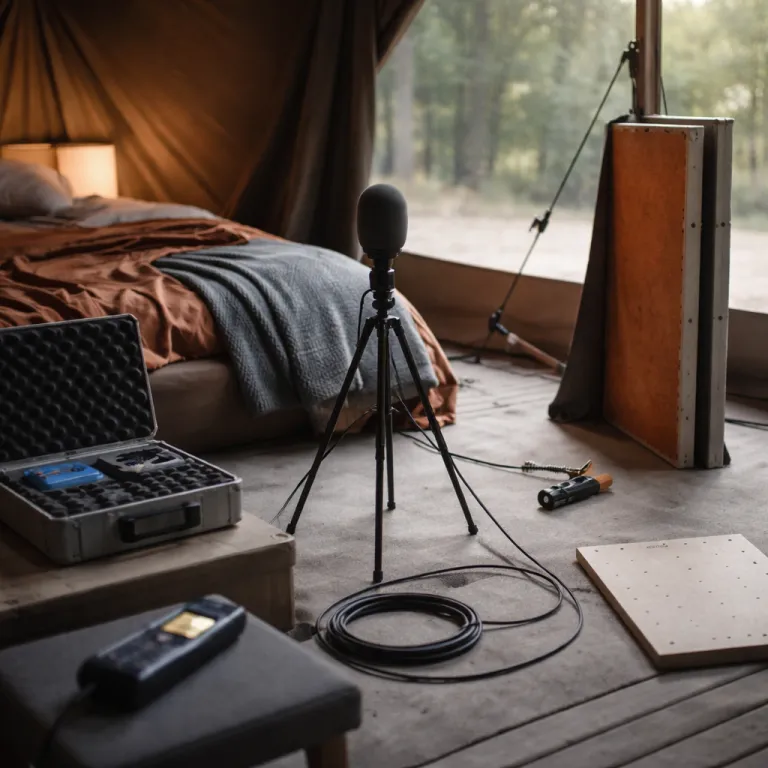
The acoustic edge of canvas in the glamping vs hotel luxury experience
Glamping sits between camping and classic hotel stays, but its real power is acoustic. In the debate around the glamping vs hotel luxury experience, the decisive difference is how a simple tent wall edits sound, letting nature in while still protecting comfort and privacy. When you trade concrete for canvas, you trade isolation for an experience that lets you sleep with the landscape rather than next to it.
Traditional camping is usually about thin sleeping bags, basic tents and every rustle amplified, while luxury glamping tents are engineered to filter sound rather than merely block it. A well designed glamping tent uses layered canvas, insulated flooring and high quality zips to soften harsh noise yet keep the dawn chorus, distant river and wind in the trees audible enough to shape your sleeping and waking experience. That balance between adventure and comfort is what separates premium camping glamping from both traditional camping and many hotels that seal guests away from nature.
Guest review analyses across the glamping market consistently show that sensory renewal, especially natural soundscapes, outranks even high thread count linens or hot plunge pools as a driver of satisfaction. For example, a 2023 internal review analysis of several hundred guest comments on leading booking platforms found that references to “peace and quiet” and “nature sounds” appeared more often than mentions of decor or spa facilities. When travelers compare glamping accommodations with hotels, they rarely talk first about square metres or marble, but about how they could enjoy nature from bed, hearing rain on the canvas or owls at night without sacrificing comfort or safety. This is the acoustic argument at the heart of the modern glamping trend, and it is reshaping expectations of what luxury accommodations should feel and sound like.
Glamping providers understand that the tent itself is not just a shelter but an instrument, tuned to the surrounding sites. In remote glamping resorts from Utah’s desert to the Dolomites, operators position glamping units to catch birdsong at dawn and silence at midday, creating a curated sound journey that hotels in dense urban settings simply cannot replicate. Hotel operators, by contrast, invest heavily in glass and insulation to remove exterior sound, which is ideal for city noise but less compelling when the main reason to travel is to hear the forest breathe.
For couples weighing the glamping vs hotel luxury experience, this acoustic transparency becomes a key decision point. If you want the sensory clarity of nature without the discomfort of basic camping, glamping stays in well built glamping tents offer a middle path that feels both intimate and elevated. The canvas lets you enjoy nature in high definition, while the design details — from proper beds to climate control — keep the experience firmly in the luxury category rather than in the realm of survival stories.
From dawn chorus to desert silence: how top glamping sites design around sound
Some of the most sophisticated glamping sites on the planet now design their entire layout around sound rather than views alone. At Camp Sarika by Amangiri in Utah, for example, guests rave about private plunge pools and high design, yet it is the desert silence and the way it wraps the tent at night that dominates reviews. Public guest comments on major booking platforms frequently mention the “almost unreal quiet” and “hushed canyon acoustics,” which no hotel corridor can reproduce. This is where the glamping vs hotel luxury experience tilts decisively toward canvas, because no conventional building can easily deliver that kind of acoustic emptiness.
Across the global glamping market, serious operators treat each tent as a listening post, not just a sleeping pod. They orient glamping units along ridgelines to catch the first birdsong, or near streams where water masks distant road noise, turning what could be basic camping into a carefully tuned luxury experience. In well planned glamping resorts, you will often find silence zones where vehicles are banned and paths are soft surfaced, so that every footstep and zip is part of a considered soundscape rather than random noise.
Couples who usually book hotels are often surprised by how quickly their bodies respond to these natural soundscapes. Wellness research from institutions such as the University of Sussex and the U.S. National Park Service has found that authentic nature sounds can reduce stress markers and improve mood more effectively than mechanical white noise, which helps explain why guests report deeper sleeping and more vivid dreams after just one or two glamping stays. When you compare that to a high rise hotel where air conditioning, elevators and distant traffic form a constant hum, the acoustic advantage of glamping accommodations becomes obvious.
Luxury tented camps in Africa and Asia have refined this art for decades, long before the current glamping trend reached social media. In the Serengeti, for instance, mobile glamping tents are placed along wildlife corridors so that the night is punctuated by distant hyena calls and the low rumble of migrating herds, turning the tent into a front row seat for unscripted adventure. That is a very different kind of adventure comfort from what most hotels can offer, even when they market themselves as close to nature.
If you want to explore how far this can go at the top end of the market, look at curated guides to five star tented camps, such as the detailed property round up on the pinnacle of comfort at five star tented camps worldwide. These camps show that when glamping offers are executed well, the tent becomes a luxury instrument that frames sound, light and air with as much care as any hotel suite frames art and furniture. For couples planning a romantic escape, that framing can turn a simple night of sleeping into a shared memory that feels both primal and exquisitely designed.
When sound becomes noise: managing the weak spots of glamping and camping
Canvas is honest, and that honesty cuts both ways in the glamping vs hotel luxury experience. The same tent wall that lets you enjoy nature can also transmit less welcome sounds, from a neighbour’s late night playlist to a generator that hums through the small hours. This is where the difference between thoughtful glamping sites and improvised camping glamping becomes starkly clear.
Serious glamping providers treat noise management as a core part of their luxury promise, not an afterthought. They invest in silent or remote sited generators, bury service lines and cluster staff areas away from guest tents, which protects both comfort and the sense of eco integrity that underpins the glamping traditional ethos. By contrast, some lower tier glamping camping operations simply drop glamping tents onto existing camping fields, where car doors, shared facilities and bright lights can quickly erode any feeling of high end adventure.
For couples used to hotels, where double glazing and thick walls are standard, this variability can be jarring. In a hotel, you can usually assume a baseline of sound insulation, while in glamping accommodations the quality of acoustic design varies widely between sites and even between individual tents. That is why reading detailed guest reviews and, where possible, using virtual tours offered by innovative operators becomes a smart investment of time before you commit your budget.
There is also a cultural adjustment that comes with moving from hotels to glamping stays. In a tent, you are part of a lightly shared soundscape, which means learning to move more quietly, to zip slowly, to speak softly after dark so that everyone can sleep well. The best glamping resorts make this easy by setting clear etiquette guidelines, spacing glamping units generously and offering adults only zones for couples who value privacy over family friendly bustle.
From an operator’s perspective, getting this right is not just about guest comfort but about long term ROI. A glamping resort that delivers consistently tranquil nights will see higher repeat rates and stronger word of mouth than one where guests complain about noise, even if both offer similar levels of physical luxury. For travelers, that means the real investment is not just in a beautiful glamping tent, but in a property whose entire layout, from service roads to fire pits, has been tuned to keep unwanted sound at bay while letting the good noises in.
How to choose: evaluating acoustic quality before you book
When you compare the glamping vs hotel luxury experience as a couple planning a romantic trip, start by asking what you want to hear at night. If your ideal sleeping environment is absolute silence, a high floor hotel room with good insulation may still be the safest bet, especially in busy destinations. If, however, you want to fall asleep to rain on canvas and wake to birdsong, then a carefully chosen glamping tent will probably serve you better than even the most polished hotels.
Evaluating acoustic quality in glamping offers requires a slightly different checklist from booking hotels. Look for glamping sites that highlight their distance from main roads, limit vehicle access near tents and mention silence zones or adults only areas, because these details signal a serious approach to sound. Pay attention to whether the property describes its glamping units as year round structures with insulated floors and double layered canvas, which can moderate both hot and cold temperatures while softening harsh noise.
Guest reviews are your best ally here, especially when they mention sleeping quality, natural sounds and noise complaints in detail. Phrases like “we could hear the river all night but nothing else” or “generators were loud” tell you far more about the real experience than generic praise about luxury or service. Remember the expert definition that “Glamping is luxury camping with hotel-like amenities” and the reminder that “Glamping offers nature immersion; hotels provide urban luxury” because these statements frame the trade off you are making.
For couples who see travel as an investment in wellbeing rather than just a change of scenery, this acoustic dimension should sit alongside design, food and service when comparing accommodations. A thoughtfully placed glamping resort in the mountains, such as those featured in curated wellness weekend guides to the Blue Mountains on top luxury retreats for a wellness weekend, can deliver a higher experiential ROI than a similarly priced city hotel, simply because the soundscape is restorative rather than draining. That is the quiet revolution in the glamping market, and it is one reason why demand for luxury tents and glamping units continues to rise across regions and seasons.
As you weigh your options, remember that traditional camping, glamping and hotels are not enemies but points on a spectrum of comfort and exposure to nature. Traditional camping with basic tents and sleeping bags maximises raw adventure, hotels maximise control and predictability, while glamping stays aim for a blend of adventure comfort that lets you enjoy nature without sacrificing a proper mattress or a hot shower. Choose the point on that spectrum that matches not just your budget, but your ears, your sleep and the kind of memories you want to carry home.
Key figures shaping the glamping vs hotel luxury experience
- Industry reports indicate that the average nightly rate for quality glamping accommodations is often around 200 USD, compared with approximately 150 USD for standard hotel rooms in comparable markets, reflecting the premium travelers are willing to pay for immersive nature experiences.
- Global hospitality analyses show that demand for eco friendly accommodations and unique adventure focused stays has grown significantly within the wider luxury travel sector, supporting the rapid expansion of the glamping market across multiple regions.
- Guest feedback studies consistently highlight that sensory renewal — especially exposure to natural soundscapes and fresh air — is now the leading driver of positive reviews for glamping sites, ranking ahead of traditional measures such as room size or the number of hot amenities.
- Travel comparison data confirms that while glamping can be more expensive than hotels on a per night basis, higher perceived experiential value and stronger emotional impact often translate into better long term ROI for travelers seeking meaningful escapes rather than simple accommodations.