The five minute luxury tent stay quality guide
Step into any luxury tent and your first five minutes matter. Those opening moments reveal whether you are entering serious luxury camping or just a camping tent with hotel style linens. This luxury tent stay quality guide focuses on what your senses register before your bags even touch the floor, so you can judge glamping quality quickly and confidently.
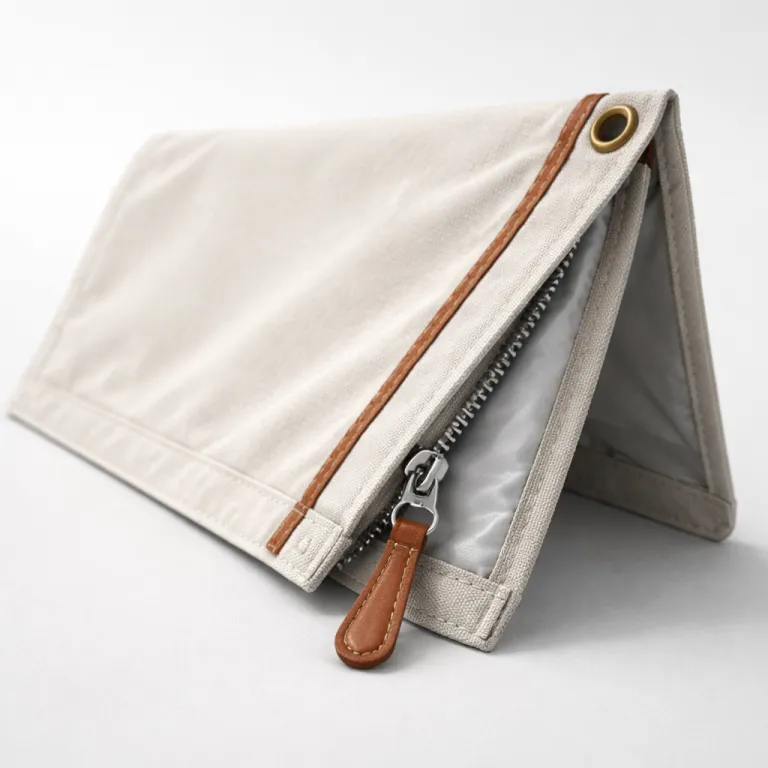
Start with the canvas under your fingertips, because true luxury begins with fabric. Durable, weather resistant cotton canvas or advanced canvas tents should feel dense yet supple, with no plasticky sheen and no damp smell from previous camping stays. Industry guidance from outdoor gear associations and tent manufacturers consistently highlights “durable, weather-resistant fabrics like canvas or polyester” as the benchmark for high quality tents in demanding climates, and many premium safari tents use 300–420 gsm cotton canvas for this reason.
Look up and around to see how the tent handles light, height and air. High ceilings in a bell tent or wall tent create real standing room, while well placed panoramic windows filter daylight without turning sleeping areas into greenhouses. In the best glamping tent designs, the canvas tent roof glows softly rather than glaring, and guy lines are neatly tensioned so the structure feels solid even when the wind turns cold; photos that show straight seams, taut walls and no visible sagging usually indicate careful setup.
Then check how the space separates living and sleeping zones. A well planned luxury tent will place the bed on a raised platform, with a clear path from entrance flap to sleeping area and then to the bathroom. In quality glamping tents, the bed faces the view, not the back wall, so that the first thing you see on waking is nature rather than luggage, and bedside tables sit within easy reach instead of being squeezed awkwardly against the canvas.
Finally, listen and breathe. A premium glamping tent filters outdoor sounds into a soft backdrop, rather than amplifying every footstep on gravel or every zip from neighbouring camping tents. Clean air, a faint scent of cotton canvas and the muffled hush of nature are the sensory signatures that separate luxury glamping from traditional camping with a nicer mattress, and repeated guest reviews mentioning “peaceful sleep” or “surprisingly quiet at night” are strong indicators that the tent design works.
Canvas, structure and platform height: the quiet engineering of comfort
What you sleep under matters as much as what you sleep on. Luxury tent manufacturers now treat canvas with advanced waterproofing and UV protection, yet the best canvas tents still breathe enough to keep interiors fresh in both hot and cold conditions. Run your hand along the wall tent panels; they should hang with weight and precision, not flap loosely like budget camping tents after a rushed setup, and seams should feel flat and well taped rather than rough or sticky.
Platform height is the unsung hero of any luxury camping experience. A well raised deck, typically 30 to 60 centimetres above ground according to common glamping site design guidelines, protects your tent from surface water, improves drainage and keeps the interior warmer on cold nights. In high rainfall regions, the best glamping sites extend platforms beyond the canvas footprint, so you can step out of your glamping tent onto dry timber rather than mud, and photos of wide wraparound decks are a reliable cue.
Structural details reveal whether a tent was designed for luxury or simply adapted from traditional camping gear. Look for straight, well aligned guy lines, solid anchor points and a frame that does not flex dramatically when you lean on a pole. In a properly tensioned bell tent or safari tent, the canvas feels drum tight yet forgiving, and the door zip glides smoothly without snagging on seams; many reputable outfitters specify heavy duty zippers and reinforced corners for this reason.
Flooring is another quick quality test. A true luxury tent will have a solid, often insulated floor rather than a thin groundsheet, which improves sleeping comfort and reduces dust. Some safari tents even integrate underfloor heating or a compact stove for shoulder season stays, turning what could be a chilly camping tent into a cocoon of warmth, and listing descriptions that mention “insulated timber floors” or “hardwood platforms” usually signal this upgrade.
When you review listing photos for glamping tents in places like waterfront retreats near New York, pay attention to how the tent meets the platform edge. Comparative reviews of NYC glamping escapes and waterfront retreats consistently show that premium sites hide utilities neatly and maintain clean lines between canvas, deck and outdoor pathways, while weaker operations expose pipes, cables and improvised steps that break the illusion of seamless outdoor luxury.
Design that serves the landscape: view lines, light and airflow
Luxury is not only about objects; it is about how a tent frames the world outside. A well designed luxury tent uses panoramic windows, skylights and carefully placed openings to choreograph your experience of nature from dawn to night. When you unzip the entrance of a bell tent or safari tent, the view should feel intentional, not accidental, and marketing photos should show at least one clear sightline from bed to landscape.
Look at how the bed, seating and any writing desk align with the landscape. In the best glamping properties, sleeping areas face river bends, dunes or forest clearings, while lounge chairs sit where cross breezes flow naturally through the canvas tent. Camps in coastal destinations, such as premium tent experiences by the sea and mountains in Carmel, show how glamping tents can use both ocean light and hillside shade to keep interiors comfortable without constant mechanical cooling, and many highlight this in their room descriptions.
Airflow is a decisive factor in both comfort and health. Quality glamping setups combine high vents, mesh panels and shaded openings so that hot air escapes while insects stay out, even when the stove or portable heater is running on a cold evening. When you walk into a luxury camping tent, the air should feel neither stuffy nor draughty, and you should hear only a soft rustle of canvas rather than flapping panels; condensation on windows or a persistent damp smell are warning signs.
Lighting design also separates luxury glamping from improvised camping. Look for layered lighting with warm bedside lamps, discreet reading lights and low level path markers outside, instead of a single harsh ceiling bulb. In well considered safari tents, switches sit exactly where your hand expects them, and you can move from outdoor deck to sleeping zone without fumbling in the dark, while dimmers allow you to shift from bright task lighting to a softer evening glow.
Finally, consider how the tent handles privacy without cutting you off from the outdoor experience. Thoughtful use of internal curtains, partial walls and angled panoramic windows allows you to change clothes or rest without feeling exposed, while still hearing the night chorus and seeing silhouettes of trees against the canvas at bedtime. Listings that mention “screened verandas,” “privacy screens” or “separate dressing areas” usually reflect this level of design thinking.
Amenities that belong in a tent, not just in a hotel room
Many properties advertise luxury by listing amenities, yet the real test is whether those amenities respect the logic of tents. A heavy four poster bed placed on a thin floor in a camping tent is a red flag, because the structure was never meant to carry that weight. By contrast, a purpose built luxury tent at a well engineered camp uses integrated platforms, hidden supports and tailored furniture that work with the canvas, not against it, and reputable luxury tent manufacturers often publish recommended load limits for this reason.
Bathroom quality is one of the fastest ways to judge a glamping tent. Look for solid water pressure, proper drainage and fixtures that feel as robust as those in a high end city suite, even when the walls are canvas. En suite bathrooms in the best glamping operations often use partial masonry or insulated panels behind the scenes, so that moisture never compromises the tent fabric, and many site descriptions now highlight “fully plumbed bathrooms” or “spa style showers” as key features.
Heating and cooling should be adapted to the realities of nature. In colder regions, a safe, well vented stove or radiant heater turns a bell tent into a winter ready retreat, provided the cotton canvas is treated and seams are sealed. In hotter climates, ceiling fans, cross ventilation and shading are more sustainable than blasting air conditioning through thin walls, and energy conscious camps often mention using fans, reflective flysheets and tree cover to keep luxury tents comfortable.
Service style also signals whether you are in genuine luxury glamping territory. Flagship tented camps with dedicated hosts, curated activities and chef led dining show how hospitality can be both polished and relaxed around canvas tents. What matters is not the number of pillows, but whether staff understand how to manage guy lines before a storm or adjust a wall tent flap to keep your sleeping area cool, and reviews that praise “attentive camp hosts” usually reflect this practical expertise.
When packing for high end safari tents, pay attention to clothing that works with both climate and camp aesthetics, and guides on what to wear on African safari for effortless style and comfort can help you balance practicality with elegance. The right layers make it easier to appreciate the subtle comforts of a luxury tent, from heated bathroom floors to soft throws on outdoor loungers under the stars, without overpacking bulky items that fight the limited storage typical of canvas structures.
Reading listings and reviews like a canvas literate insider
Online listings rarely tell the full story of a luxury tent stay, yet careful reading reveals more than you might expect. Start by scanning photos for structural clues such as platform height, guy line tension and the relationship between tents and surrounding terrain. If you see camping tents pitched directly on bare earth in a supposedly high end camp, you can safely question the rest of the quality claims, especially if there are no close ups of flooring or deck details.
Next, read guest reviews with a tent specific lens. Many travelers focus on sensory renewal, praising clean air, natural sounds and tactile fabrics when a glamping tent is well executed, while complaints often mention noise, condensation or cold drafts when design is weak. Pay attention to repeated comments about sleeping comfort, bathroom access at night and how the tent handled heavy rain or strong wind, as these patterns are more reliable than one off opinions.
Language around wildlife and outdoor experience also offers clues. In authentic safari tents, guests describe hearing animals from a safe distance, seeing stars through skylights and feeling close to nature without sacrificing safety. If reviews mention insects inside, flapping canvas or unstable steps, the camp may be relying on traditional camping gear rather than purpose built luxury glamping structures, and may not be maintaining the tents according to manufacturer recommendations.
Price can guide expectations but should not blind you. Industry surveys of outdoor accommodation show wide variation in nightly rates for luxury tent stays, and some operations charge premium prices without investing in better canvas, platforms or design. Look for mentions of specific features such as panoramic windows, insulated floors, cotton canvas walls or a well designed bell tent layout, rather than vague praise about luxury, and compare these details with photos to see whether they match.
Finally, remember that glamping now attracts a wide range of travelers, with recent travel research indicating that roughly one third of travelers express interest in glamping experiences. Your goal is to filter for properties where luxury tent manufacturers, glamping site operators and hospitality consultants have clearly collaborated on structure, materials and setup, so that every tent on site feels like the best version of outdoor living rather than a temporary compromise, and your five minute arrival check confirms what the listing promised.
FAQ
What materials should I look for in a high quality luxury tent ?
For a high quality luxury tent, prioritise durable cotton canvas or advanced polyester blends that are both weather resistant and breathable. These materials keep glamping tents comfortable in hot and cold conditions, while resisting UV damage and mildew; many premium models specify a minimum 300 gsm fabric weight for durability. Avoid very thin fabrics more suited to traditional camping, because they rarely deliver the insulation, sound dampening and longevity expected in quality glamping.
Are luxury tents suitable for all climates ?
Luxury tents can work in most climates when they combine the right materials with proper insulation and climate control. In cold regions, look for insulated floors, safe stoves or heaters and tightly sealed wall tent seams, while hot destinations require strong ventilation, shading and sometimes discreet air conditioning. The key is a design that respects local weather rather than forcing a single tent model into every environment, and listings that mention “four season canvas tents” or “winterised safari tents” usually reflect this adaptation.
Which amenities matter most for comfort in a glamping tent ?
The amenities that most affect comfort are a supportive bed on a raised platform, reliable bathroom fixtures and effective heating or cooling. Features such as panoramic windows, thoughtful lighting and well placed storage also improve daily living inside canvas tents, especially for multi night stays. Extras like plunge pools or butler service are welcome, but they cannot compensate for poor sleeping conditions, weak weather protection or a layout that makes night time bathroom trips awkward.
How can I tell from photos if a tent site offers real luxury glamping ?
When reviewing photos, check that each tent sits on a solid, elevated platform with neat guy lines and no visible sagging in the canvas. Look for clear separation between sleeping, lounging and bathroom zones, along with quality finishes such as proper doors, fitted floors and integrated decks that extend beyond the tent edge. If images show basic camping tents on bare ground, cluttered outdoor areas or exposed plumbing, the experience is unlikely to match true luxury camping standards.
What is the main difference between traditional camping and luxury camping in tents ?
Traditional camping focuses on minimal shelter and self sufficiency, often using lightweight camping tents and shared facilities. Luxury camping in tents adds hotel level comfort, private bathrooms and curated outdoor experiences, all within purpose built structures like safari tents or bell tents. The best glamping operations design every element, from canvas weight to interior layout and platform height, around long term comfort rather than short overnight stays, creating an experience closer to a boutique hotel than a basic campsite.