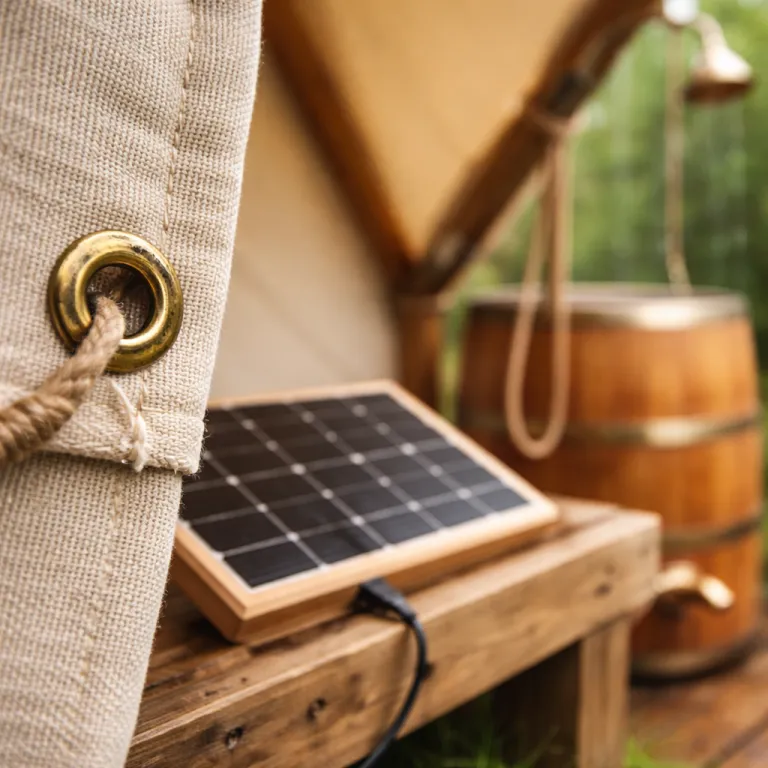
Eco glamping technology: how sustainable luxury feels effortless
How eco glamping technology makes sustainable luxury feel effortless
Luxury travelers booking high end tents now expect eco glamping technology to be genuinely sustainable, not just a marketing flourish. In the best luxury glamping sites, every design choice — from the angle of a solar panel to the weave of hemp canvas — is calibrated to reduce environmental impact while elevating comfort for guests. When you compare this level of environmentally friendly detail to traditional camping, you start to see why sustainable glamping has become the preferred form of luxury camping for business leisure travelers extending a work trip.
At its core, eco glamping technology and sustainable design mean that energy, water and waste are treated as assets to be managed, not problems to be hidden. SolarHomestead in the United States shows how this works in practice, using solar panels as primary renewable energy sources while pairing them with efficient glamping tents that hold heat and cool air with minimal power. Electric Outdoors goes further with its EO Canopy platform, integrating battery storage beneath elevated platforms so guests enjoy a seamless glamping experience with silent energy sources instead of noisy generators humming outside the tents. In one pilot installation completed in 2023, a four tent EO Canopy cluster used a 12 kW solar array and 40 kWh of lithium storage to cover more than 90 % of annual electricity demand, according to internal performance data shared by the company (vendor supplied figures, not independently audited).
For you as a guest browsing luxurytentstay.com, the question is simple yet nuanced. Which eco glamping sites are using sustainable practices and friendly materials to cut waste and water consumption, and which are merely adding a solar lantern to standard camping accommodations? Look for operators that talk clearly about sustainability metrics, such as how much energy comes from renewable energy systems, how water conservation is handled on site, and what waste management practices are in place for both organic and recyclable materials. When a property can explain its glamping eco strategy in concrete numbers and examples, you are far more likely to enjoy sustainable luxury that respects nature rather than just paying for a green label.
The material revolution: hemp canvas, bamboo frames and recycled platforms
The most serious eco glamping technology projects start with the skin and bones of the structure — the tents themselves. Hemp canvas, organic cotton and recycled polyester blends are replacing fully synthetic materials in many luxury glamping accommodations, with manufacturers such as Davis Tent reporting a marked increase in demand for eco friendly glamping tents that balance durability with lower environmental impact (Davis Tent, 2022, internal sales data). When you run your hand along a well tensioned hemp canvas wall at a high end glamping site, you feel a breathable material that insulates better than many plastics while aging gracefully in nature.
Frames and platforms are evolving too, and this matters when you are choosing between glamping sites for a corporate retreat or an extra large family stay. Bamboo poles, responsibly harvested timber and recycled steel platforms reduce waste while allowing luxury camping operators to elevate glamping tents above sensitive ground, which protects root systems and improves water conservation by letting rain flow naturally underneath. If you are planning a multi generational trip or an incentive getaway, look for properties that pair these materials with spacious layouts, such as those highlighted in guides to an extra large 20 person tent for premium camping, because sustainable luxury does not have to mean compromising on scale.
Material choices also shape the day to day glamping experience in ways you will notice from the first morning. Natural fibers regulate temperature more evenly, so eco glamping tents often feel cooler at midday and warmer at night, reducing the need for mechanical energy sources and lowering the overall environmental impact of the site. Friendly glamping design details — such as insulated ground cloths made from recycled materials, or fly sheets that double as rainwater collection surfaces — show that sustainable practices can be woven into every layer of the camping structure, not just the marketing brochure. When you see product photos with descriptive image alt text mentioning hemp canvas, bamboo frames or recycled platforms, it is often a sign that the operator has considered both accessibility and sustainability in their presentation.
Off grid energy systems: solar panels, storage and silent comfort
Energy is where eco glamping technology and low impact design become most visible to guests, because it shapes everything from bedside reading lights to underfloor heating. Many leading glamping sites now rely on solar panels as their primary renewable energy sources, with industry data indicating that solar energy adoption in glamping sites has reached about 75 % in some markets (Glamping Business, 2022, market survey). Electric Outdoors has pushed this further with its EO Canopy, a solar powered glamping platform that integrates panels, battery storage and smart inverters so luxury glamping guests enjoy full service comfort without the drone of a diesel generator.
For travelers used to traditional camping, the silence of a well designed eco glamping camp can be striking. Instead of a central power block, you may find discrete solar arrays near the edge of the accommodations, feeding batteries that sit under the decks of individual glamping tents and power lighting, induction cooktops and efficient fans. This kind of glamping eco system allows operators to offer a refined glamping experience — think hot showers, espresso machines and heated mattress pads — while keeping the environmental impact of energy use far below that of a comparable hard walled resort. One guest at a SolarHomestead partner site in Colorado described waking up to heated floors and birdsong instead of generator noise as “the moment I realised sustainable luxury could feel more indulgent than a city hotel.”
When evaluating sustainable glamping options on a booking platform, ask how much of the camp’s energy comes from renewable energy and how they handle peak demand in the evenings. A property that combines solar panels with good insulation, LED lighting and thoughtful zoning will use far less energy overall than one that simply adds panels to an inefficient layout, which is crucial if you care about sustainability as more than a label. If you are traveling with a dog or planning a multi night stay, this attention to energy and comfort becomes part of the overall value proposition, much like the way a genuinely dog friendly glamping escape balances pet needs with human luxury.
Water, waste and the invisible infrastructure of sustainable practices
The most impressive eco glamping technology systems are often the ones you never see, because they deal with water and waste quietly in the background. Many environmentally friendly glamping sites now use rainwater collection systems that feed into storage tanks, with filtered rainwater showers reducing overall water usage by up to 50 % compared with conventional fixtures (RV Pro, 2021, product testing report). Greywater recycling, where water from sinks and showers is treated and reused for irrigation, further lowers the environmental impact of luxury camping without asking guests to sacrifice comfort.
Waste management is another area where sustainable glamping operators distinguish themselves from more basic camping experiences. Composting toilets, carefully designed to control odour and airflow, allow eco glamping sites to operate in remote nature without contaminating groundwater, while food waste is often separated and processed for on site compost or local farms. When you see clear signage in the accommodations about recycling streams and organic waste, paired with staff who can explain the system, you are usually looking at a camp that takes sustainability and friendly glamping seriously rather than treating it as a slogan.
For travelers comparing glamping tents on a booking website, it pays to read between the lines of the property description. Does the operator mention water conservation strategies such as low flow fixtures, rainwater showers and native landscaping that reduces irrigation needs, or do they simply use the phrase eco friendly without details? Are there references to specific sustainable practices, such as partnerships with local environmental organizations or measurable reductions in waste sent to landfill? These are the questions that separate genuine sustainable luxury from camps that still operate like traditional camping sites but add a few green touches for marketing.
Certifications, rain flies and how to read an eco claim
Labels and logos have become part of the eco glamping technology landscape, but not all certifications carry the same weight. Programs such as Green Key, ECOCAMPING and the EU Ecolabel assess glamping sites and camping accommodations on criteria that include energy efficiency, water conservation, waste management and community engagement, giving travelers a baseline for environmental performance. When a luxury glamping property holds one of these certifications and can explain what it means in practice, you gain a clearer sense of how seriously they treat sustainability beyond the marketing copy.
Yet certifications are only one part of the picture, and design details often tell you more about the day to day glamping experience. A well engineered rain fly, for example, does more than keep you dry; it can create an insulating air gap, protect the hemp canvas from UV damage and channel water into collection systems, all of which reduce the camp’s environmental impact over time. If you want to understand how these elements elevate comfort, a guide to how a tent rain fly elevates luxury tent stays can be as revealing as any sustainability report.
When you read an eco claim on a booking site, look for specifics about materials, energy sources and sustainable practices rather than vague language. A serious eco glamping operator will talk about hemp canvas tents, recycled platforms, renewable energy percentages and water conservation systems, while a less committed one may rely on generic phrases such as environmentally friendly or eco friendly without detail. As one industry FAQ puts it succinctly, “What is eco-glamping?” and answers, “Luxury camping with a focus on sustainability.”, which is a useful reminder that the word eco only has meaning when backed by measurable action.
How to choose genuinely eco friendly glamping tents on a luxury platform
For a business leisure traveler scrolling through a luxury and premium booking website, the challenge is not finding eco glamping technology claims, but filtering them. Start by focusing on glamping sites that explain their environmental impact in concrete terms, such as the percentage of energy from renewable energy sources, the volume of water saved through conservation measures and the proportion of waste diverted from landfill. Properties that share this level of detail usually have a clear sustainability strategy rather than a collection of ad hoc practices.
Next, read carefully how the operator describes the glamping tents and supporting infrastructure, because this is where friendly materials and design choices reveal themselves. Look for mentions of hemp or organic canvas, insulated floors, elevated decks, rainwater showers, composting toilets and greywater systems, all of which signal a deeper commitment to sustainable glamping than simply placing a tent in nature. If the camp highlights partnerships with eco tourism providers such as SolarHomestead or technology firms like Electric Outdoors, you can infer that their glamping eco approach is grounded in real expertise rather than improvised solutions.
Finally, pay attention to how the property talks about guests and the overall glamping experience, because genuine sustainable luxury is as much about education as it is about comfort. Camps that invite guests to participate in on site sustainability workshops, explain their waste management systems and encourage low impact activities in surrounding nature tend to deliver a more meaningful form of luxury camping. When you choose these accommodations, you are not only booking a stylish tent; you are supporting environmentally friendly practices that help ensure the landscapes you love will still feel wild and welcoming on your next visit.
Key figures behind eco glamping technology and sustainable luxury
- Solar energy adoption in glamping sites has reached around 75 % in some markets, showing how quickly renewable energy has become the default power source for high end camping operations (Glamping Business, 2022, market analysis report).
- Rainwater showers and efficient fixtures can reduce water usage by around 50 % compared with conventional systems, which is critical for eco glamping sites operating in arid or water stressed regions (RV Pro, 2021, efficiency testing data).
- Production of hemp canvas tents has increased by approximately 30 % in recent years, reflecting a clear shift toward friendly materials that offer durability with lower environmental impact than many synthetic fabrics (Davis Tent, 2022, internal production figures).
- Premium glamping structures built with quality eco materials are designed to last for decades, which spreads their embodied energy over a longer period and reduces waste compared with cheaper, short lived camping units.
- The global glamping sector has been growing at a double digit compound annual rate, driven in part by millennial and Gen Z travelers who consistently prioritize sustainability and environmentally friendly experiences when choosing accommodations (Allied Market Research, 2023, industry outlook).
FAQ about eco glamping technology and sustainable tents
What is eco glamping and how is it different from traditional camping ?
Eco glamping is luxury camping with a focus on sustainability, combining high comfort levels with environmentally friendly practices such as renewable energy, water conservation and low impact materials. Compared with traditional camping, eco glamping sites usually offer fully furnished tents, proper beds and curated services while still aiming to reduce environmental impact. The best examples use hemp canvas, solar panels and advanced waste management to deliver a refined glamping experience that respects nature.
How do solar panels enhance the glamping experience for guests ?
Solar panels provide renewable energy for off grid comfort, powering lighting, charging points and sometimes heating or cooling systems without the noise and emissions of diesel generators. On well designed luxury glamping sites, solar arrays feed battery storage so guests enjoy uninterrupted power even after sunset, which is essential for business travelers who need to work or charge devices. This approach reduces the camp’s carbon footprint while making the accommodations feel more like a discreet eco friendly retreat than a conventional campsite.
Why are hemp canvas tents considered more eco friendly than synthetic tents ?
Hemp canvas is a durable, eco friendly and biodegradable material, which means it lasts for many seasons yet breaks down more naturally at the end of its life than most synthetic fabrics. The fibers offer excellent breathability and insulation, improving comfort inside glamping tents and reducing the need for mechanical cooling or heating. When combined with recycled platforms and thoughtful design, hemp canvas helps luxury camping operators lower their overall environmental impact.
What are rainwater showers and are they comfortable to use ?
Rainwater showers are systems that utilize collected and filtered rainwater for bathing, often stored in insulated tanks and delivered through standard fixtures. On quality eco glamping sites, the pressure and temperature feel similar to a conventional shower, so guests rarely notice a difference in comfort. The main benefit is a significant reduction in mains water consumption, which supports sustainable practices in remote or water scarce locations.
Are eco glamping sites as comfortable as other luxury accommodations ?
Yes, they combine luxury with sustainable practices, often matching or exceeding the comfort level of many traditional resorts while offering a closer connection to nature. High end eco glamping accommodations typically feature proper beds, high quality linens, private bathrooms and curated services, all powered and supplied through eco friendly systems. For travelers who value both sustainability and indulgence, this blend of comfort and environmental responsibility can feel more rewarding than a conventional stay.