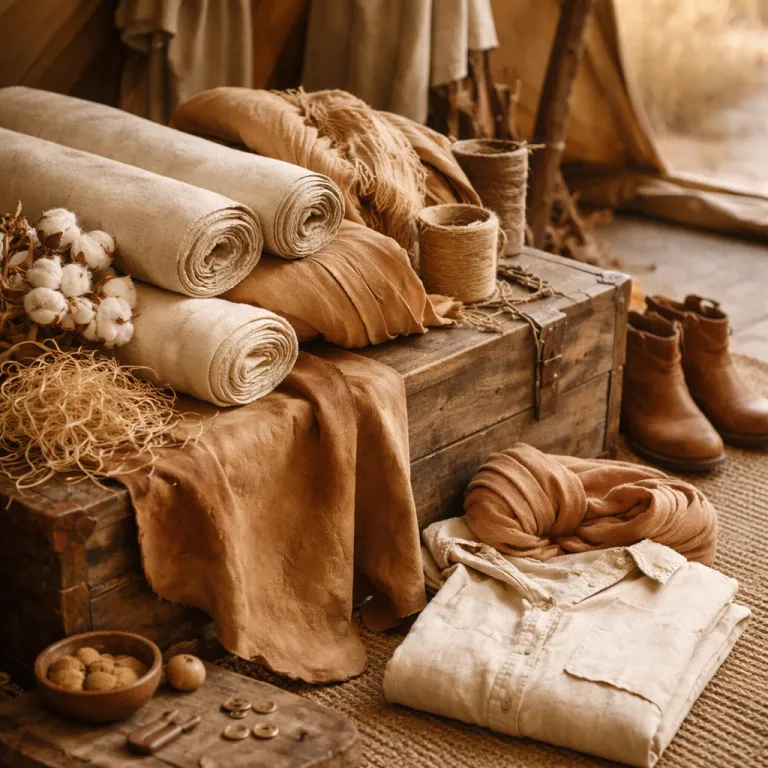
Understanding what to wear on African safari in luxury tented camps
Planning what to wear on African safari starts with understanding the environment. Days on safari will often be warm and dusty, while early mornings and evenings can feel surprisingly cool in many parts of Africa. Your safari clothing needs to adapt gracefully to these shifts, especially when your base is a luxury safari lodge with premium tents.
Think of your safari clothes as a refined capsule wardrobe designed for elegance and practicality. Neutral tones such as sand, olive, and stone work best, because they blend into the bush and keep you cooler than dark shades during a game drive. This approach to safari style also photographs beautifully, which matters when you are investing in a once in a lifetime African safari trip.
When deciding what wear during the day, prioritise breathable, lightweight fabric that dries quickly. Long sleeves and long pants protect you from sun and insects, yet still feel comfortable in warm air if the fabric is soft and airy. A wide brimmed hat, quality sunglasses, and a scarf or buff will bring extra protection and polish to your overall travel look.
Luxury tented safari lodges usually offer laundry services, so you can pack light without sacrificing comfort. A thoughtful packing list means your soft sided luggage stays manageable on small aircraft and 4x4 transfers. This balance of style, function, and restraint is the foundation of the best safari clothing pack for discerning travellers.
Building a safari capsule wardrobe for luxury tent stays
For a premium tented safari lodge, your capsule wardrobe should feel curated yet relaxed. Start your safari packing with three or four shirts in breathable fabric, mixing long and short sleeves to handle changing temperatures. Add two or three pairs of lightweight pants that you can easily mix match for both game drives and lodge dinners.
Many travellers ask what to wear on African safari evenings, especially when staying in refined safari lodges. The answer is simple ; keep the same neutral safari clothing palette, but elevate textures slightly with a soft knit or linen shirt. A single casual dress or smart shirt for dinner will bring understated elegance without overloading your luggage.
Footwear is central to any safari packing list, particularly if your itinerary includes walking safaris with Safari Tour Operators. Closed toe shoes or lightweight hiking trainers are the best safari option for comfort and safety on uneven ground. You may also pack safari sandals for time around the pool or within the safari lodge, where paths are usually well maintained.
When you pack safari outfits, think in layers rather than bulky pieces. A thin fleece or insulated jacket, combined with a long sleeve base layer, will keep you warm on a dawn game drive. This strategy allows your clothing pack to stay compact, while still covering every realistic weather scenario during your trip.
Choosing fabrics, colours, and layers for African climates
The fabrics you wear safari will define how comfortable you feel across long days outdoors. In much of sub Saharan Africa, temperatures rise quickly after sunrise, so breathable materials are essential. Choose lightweight fabric such as cotton, bamboo blends, or modern technical weaves that wick moisture and dry fast between activities.
Colour is another crucial element when planning what to wear on African safari journeys. Soft neutrals are ideal for game drives, because they minimise heat absorption and avoid attracting insects. Bright whites can show dust easily, while deep blues and blacks may draw more biting insects during certain seasons.
Layering is the quiet luxury of smart safari style, especially in regions like south Africa where mornings can be crisp. Start with a breathable base layer, add a long sleeve shirt, then finish with a thin wind resistant jacket. This system lets you adjust quickly as the sun rises, without needing to return to your safari lodge to change.
For travellers focused on the best safari experience, fabrics should also be easy to wash and wear. Many luxury safari lodges offer same day laundry, so your clothing pack can remain minimal yet versatile. By selecting pieces that mix match effortlessly, you create a refined capsule wardrobe that works from game drive to sundowner without fuss.
Packing strategy, luggage choices, and smart accessories
Thoughtful packing will make your African safari trip smoother from the moment you leave home. Many light aircraft and safari vehicles have strict weight limits, so a soft sided duffel is usually recommended. This type of luggage fits more easily into small storage spaces, while still protecting your carefully chosen safari clothes.
Begin your safari packing list by laying out everything you think you will need, then removing a third. Luxury tented camps typically provide high quality toiletries, hairdryers, and sometimes even binoculars, which reduces what you must bring. Focus your clothing pack on versatile pieces that can be worn multiple times in different combinations.
Accessories can transform what to wear on African safari from merely practical to quietly sophisticated. A wide brimmed hat with a secure strap, a neutral scarf, and polarised sunglasses all enhance comfort and style. Add a compact daypack for each game drive, large enough to hold layers, camera, and water without feeling bulky.
When you pack safari essentials, include insect repellent, high SPF sunscreen, and any personal medication. Many travellers also like to read travel guides or wildlife field books between activities at the safari lodge. For inspiration on how luxury tents elevate the experience, explore this guide to the refined art of sleeping under the stars in luxury safari tents.
What to wear on African safari in south Africa and beyond
Regional nuances across Africa influence what wear choices will serve you best. In south Africa, for example, winter mornings on safari can be very cold, even when days feel mild. Here, your safari clothing should include a warm layer, gloves, and a beanie for early game drives.
Further north, some African safari destinations remain hot and humid, which shifts the emphasis toward ultra lightweight fabric. Long sleeve shirts in breathable materials protect you from both sun and insects without feeling stifling. In these regions, the best safari outfits are those that allow airflow while still covering skin.
Regardless of country, your safari style should respect local customs and the natural environment. Avoid camouflage prints, which are sometimes reserved for military use, and keep evening wear modest yet relaxed. Luxury safari lodges appreciate guests who balance personal expression with cultural sensitivity and practical safari clothes.
When you pack safari outfits for multiple destinations, rely on your capsule wardrobe principles. Choose pieces that mix match seamlessly, so a single pair of pants works for several days. This approach keeps your clothing pack light, your luggage manageable, and your overall travel experience more effortless.
Expert guidance, safety, and aligning style with conservation values
Beyond aesthetics, what to wear on African safari has implications for safety and sustainability. Safari Tour Operators and Local Wildlife Experts emphasise neutral tones and long layers to reduce insect bites and sun exposure. They also encourage guests to choose durable pieces, so safari clothing lasts across many trips instead of becoming disposable.
During a game drive, avoid loose scarves or accessories that could flap noisily or catch on vehicle parts. Closed toe shoes and long pants protect your legs and feet when stepping in and out of 4x4 vehicles. At the safari lodge, staff may brief you on any specific clothing guidelines related to local wildlife or cultural norms.
Responsible travellers also consider the environmental impact of what they bring. Selecting high quality, long lasting safari clothes made from responsibly sourced fabric supports more sustainable production. Choosing a compact clothing pack and soft sided luggage also helps operators use smaller, more eco friendly vehicles efficiently.
As one expert guidance note states ; "Pack light, neutral-colored clothing.", "Bring insect repellent and sunscreen.", "Stay hydrated and follow guide instructions.". These simple principles, combined with a thoughtful capsule wardrobe, create the best safari foundation. They ensure your African safari trip feels luxurious, respectful, and aligned with conservation focused travel values.
Key statistics for planning what to wear on African safari
- Number of safari tourists annually in Africa is estimated at 3 000 000 people, highlighting the importance of practical yet stylish safari clothing for many travellers.
- The average cost of a 7 day African safari is around 5 000 USD, which makes investing in durable, versatile safari clothes and soft sided luggage a sensible decision.
Essential questions about what to wear on African safari
What is the best time to go on an African safari?
The dry season, typically from June to October, offers the best wildlife viewing opportunities. During this period, you will want to wear safari layers that handle cool mornings and warm afternoons. Lightweight pants, long sleeve shirts, and a warm outer layer form a reliable clothing pack.
Do I need vaccinations before going on a safari?
Yes, vaccinations such as yellow fever and malaria prophylaxis are recommended. Consult your healthcare provider well before your trip, so you can plan what to wear on African safari around any medical advice. Long sleeves, long pants, and neutral safari clothing also support insect protection alongside medical precautions.
Is it safe to go on an African safari?
Yes, when conducted with reputable operators and adherence to safety guidelines, safaris are generally safe. Following clothing recommendations from Safari Tour Operators, such as wearing closed shoes and long pants on every game drive, further enhances your security. Choosing the best safari clothes for conditions allows you to focus fully on wildlife, culture, and the comfort of your luxury tented safari lodge.