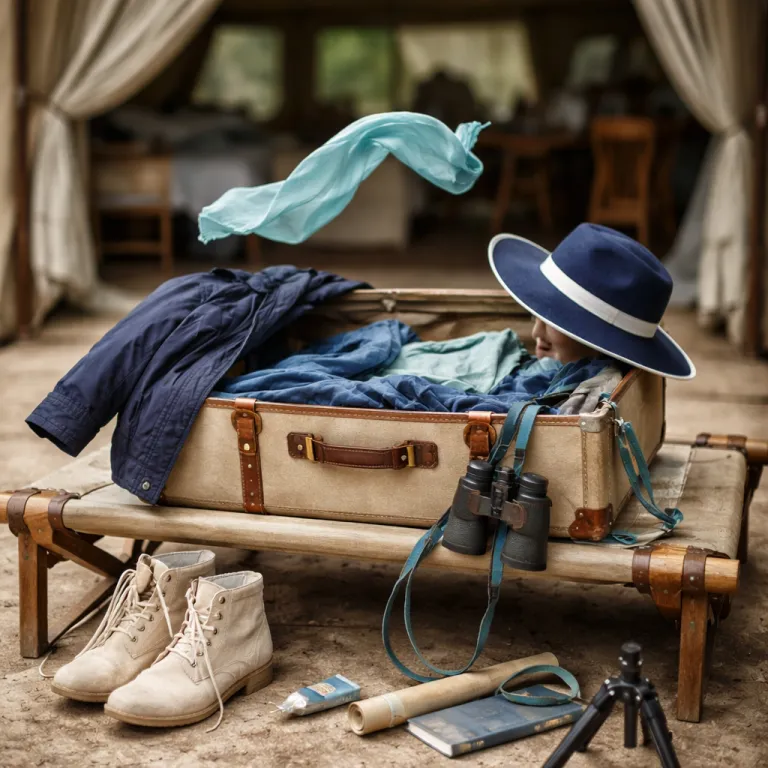
Choosing safari clothing that suits luxury tented stays
Planning what clothes to wear on safari starts long before you step into your luxury tent. Thoughtful safari clothing will shape how comfortable you feel during long game drives and how confidently you move around an exclusive safari lodge. When you stay in premium canvas suites, your wardrobe should balance relaxed elegance with practical performance for every african safari moment.
Most travellers heading to africa ask what to wear and how much to pack. Neutral tones such as beige, olive, and soft brown work beautifully in national park landscapes and also look refined at sundowner drinks. “Neutral tones like beige, khaki, or green are recommended to blend with the environment.”
For the best comfort, focus on light layers in breathable fabric that you can easily add or remove. Average daytime temperatures in safari regions often sit around 27 °C, so cotton and modern technical materials help your clothing work with the heat instead of against it. Lightweight shirts, long sleeved tops, and relaxed pants will protect your skin while still feeling cool.
Luxury tented camps usually offer polished communal spaces, so your safari style should feel considered without being formal. A simple packing list might include two pairs of safari pants, three shirts, one warm layer, and one dress or smart shirt for evenings. This compact clothing pack will suit both east africa and south africa itineraries, especially when you choose pieces that mix and match.
When you pack safari outfits, think about how they will transition from sunrise coffee on your private deck to dinner under lantern light. Soft sided luggage is often required on small aircraft, so every item you bring must earn its place. With the right safari clothing, you will feel prepared, polished, and ready for every part of your trip.
Building a practical safari packing list for every game drive
A well planned safari packing list is essential when you travel to remote african reserves. Many charter flights across africa enforce strict weight limits, so you will need to pack light while still covering all conditions. Start with core safari clothing pieces, then add accessories that refine both comfort and style.
For daytime game drive outings, choose long sleeved shirts in breathable cotton or technical fabric. These will protect you from intense sun and reduce insect bites, which affect a significant percentage of safari tourists. “Yes, they provide protection against sun exposure and insect bites.”
Pair your shirts with neutral pants that allow easy movement when you climb into safari vehicles. Avoid tight jeans, because they do not work well in warm temperatures or dusty conditions during an african safari. Instead, opt for safari pants with a relaxed cut that you can wear safari after safari without discomfort.
Accessories are just as important as main clothing items on any trip. A wide brimmed hat or structured brimmed hat will shield your face and neck during long hours in open vehicles. “Yes, a wide-brimmed hat offers essential sun protection.”
When you pack safari outfits, include a warm layer such as a fleece or light down jacket. Early morning and evening drives in east africa or south africa can feel surprisingly cool despite hot days. This single warm layer will serve you well at every safari lodge and during stargazing from your luxury tent veranda.
Finally, place everything into soft sided bags that fit easily into small aircraft holds. This approach to safari packing keeps your clothing pack organised and protects delicate items. With a focused packing list, you will travel efficiently while still feeling impeccably dressed.
Balancing safari style with comfort at luxury tented camps
Guests staying in luxury tents often want safari style that feels both refined and relaxed. The best clothes to wear on safari will move seamlessly from rugged national park tracks to candlelit dinners at intimate safari lodges. When you plan your clothing pack, think about how each piece will look in both settings.
During the day, light fabrics in muted african tones keep you cool and visually unobtrusive in the bush. “Bright colors can attract insects and may be more visible to wildlife.” This is why safari clothing in beige, stone, and olive remains a timeless choice across africa.
For afternoons around the safari lodge pool or on your private deck, you can wear slightly lighter colours while still avoiding stark white. A linen shirt in soft sand paired with tailored pants offers relaxed safari style that photographs beautifully. These outfits work especially well in luxury tented camps where design details echo the surrounding landscape.
Evenings at high end safari lodges usually call for smart casual clothing rather than formal wear. A long sleeved shirt, chinos, and a light scarf create an elegant silhouette without feeling overdressed. Women might pack safari friendly dresses in breathable fabric that can be layered with a warm layer when temperatures drop.
Footwear should be closed toe and practical for walking between tents and main areas. Neutral trainers or light hiking shoes work well for game drive stops and short walks. Reserve any more delicate shoes for indoor spaces, as paths around luxury tents can be sandy or uneven.
When you bring a small but thoughtful clothing pack, you will feel appropriately dressed in every shared space. This careful approach to what you wear safari ensures you remain comfortable, stylish, and respectful of the environment. It also simplifies your daily decisions, leaving more time to enjoy the experience.
Essential accessories to bring for an african safari wardrobe
Beyond core clothing, the accessories you bring will significantly influence your comfort on safari. Sun, dust, and insects are constant companions in many parts of africa, especially during long game drive excursions. A carefully curated packing list of accessories will support both health and style.
Head protection is non negotiable, and a wide brimmed hat is the most effective option. “Yes, a wide-brimmed hat offers essential sun protection.” Choose a brimmed hat in a neutral shade that coordinates with your safari clothing and stays secure in open vehicles.
Light scarves or neck buffs are versatile additions to any clothing pack. They can act as a warm layer during cool dawn drives, or as dust protection when roads become particularly dry. In luxury tented camps, a scarf also adds subtle safari style to simple shirts and pants.
When you pack safari essentials, include high quality sunglasses and broad spectrum sunscreen. “Use insect repellent to deter bugs.” These small items will work alongside your long sleeved shirts and pants to protect your skin throughout the trip.
Soft sided daypacks are ideal for carrying cameras, binoculars, and extra layers on each game drive. They fit easily at your feet in safari vehicles and are kinder to delicate tent furnishings than rigid cases. Many safari lodges also appreciate guests using soft sided bags to minimise wear on transfer vehicles.
Finally, consider packing light gloves and a beanie for cooler months in east africa or south africa. These weigh very little yet transform early morning comfort when combined with your main warm layer. Thoughtful accessories ensure that the clothes to wear on safari perform at their best in every condition.
Fabrics, colours, and sustainability in safari clothing choices
Choosing the right fabric for your safari clothing is as important as selecting the right style. Lightweight cotton and modern technical materials allow your skin to breathe while still offering coverage. “Lightweight, breathable fabrics like cotton or technical materials are ideal.”
When planning what to wear on safari, prioritise light materials that dry quickly after hand washing. Many luxury tents offer discreet laundry services, but quick drying fabric gives you more flexibility during longer trips. This approach also allows you to pack light while still having fresh clothing each day.
Colour selection matters for both wildlife viewing and comfort in africa. “Wearing neutral-colored clothing.” helps you blend into the environment and reduces heat absorption compared with darker shades. Avoid black and deep navy, which can attract insects in some african safari regions.
As sustainability becomes more central to luxury travel, many guests seek eco conscious safari clothing. Look for brands that use organic cotton, recycled fibres, or responsibly sourced technical fabric. These pieces will work well in both east africa and south africa while aligning with conservation focused safari lodges.
For those interested in the refined side of tented travel, this guide to the art of sleeping under the stars in luxury safari tents pairs beautifully with wardrobe planning. Understanding how you will move between your private deck, communal lounges, and game drive vehicles helps refine your clothing pack. It also clarifies which items will genuinely work throughout the trip.
By aligning fabric, colour, and sustainability, you create a wardrobe that feels coherent and responsible. Your safari style will complement the landscape rather than compete with it, enhancing every photograph. Most importantly, the clothes you wear safari will support comfort, safety, and a deeper connection with the wild.
Tailoring your safari wardrobe to different african regions
Not all african safari destinations share the same climate, so your clothing pack should reflect where you travel. East africa often combines warm days with cooler highland evenings, while parts of south africa can feel crisp on winter mornings. Understanding these nuances will help you decide which clothes to wear on safari in each region.
In east africa, plan for layers that you can adjust quickly during game drive outings. A long sleeved base layer, light shirt, and compact warm layer will usually suffice. This combination works well from dawn balloon flights to evening drinks at elevated safari lodges.
In south africa, especially in private reserves bordering major national park areas, temperatures can swing more dramatically. Here, your safari clothing should include slightly heavier fabrics for early drives while remaining light enough for midday heat. Soft sided luggage still remains essential, so choose versatile pieces rather than bulky items.
Across africa, neutral tones remain the best choice for both style and practicality. “Why avoid bright colors on safari?” is a frequent question among first time safari tourists. The answer lies in both wildlife behaviour and insect attraction, making muted shades the safer option.
For multi country itineraries, build a flexible packing list that works in several environments. Focus on core safari pants, shirts, and one or two warm layers that you can wear safari in different combinations. Then adjust accessories such as hats and scarves according to specific regional needs.
By tailoring your safari packing to each destination, you respect local conditions and enhance your comfort. This thoughtful approach ensures that every item you bring will work hard throughout the trip. Ultimately, a region aware wardrobe elevates both your experience and your presence in these remarkable landscapes.
Sample three day safari packing list for luxury tented stays
To translate these principles into practice, consider a focused three day safari packing list. This example assumes you will stay in a luxury tented camp with laundry available and soft sided luggage requirements. It shows how few items you actually need when each piece of safari clothing is chosen carefully.
For tops, pack two long sleeved shirts in neutral tones and one short sleeved option. Add one lightweight warm layer such as a fleece or compact down jacket that you can wear safari during cooler drives. This combination will work across both east africa and south africa itineraries.
For bottoms, bring two pairs of safari pants in breathable fabric that allow easy movement. One pair can be slightly smarter for evenings at the safari lodge while still suitable for a daytime game drive. Avoid heavy denim, which does not perform well in warm african conditions.
Footwear should include one pair of closed toe walking shoes and one pair of sandals for use around your luxury tent. Add socks in breathable cotton to keep your feet comfortable during long hours in vehicles. This simple clothing pack keeps your luggage light while covering all essential scenarios.
Accessories for this short trip might include one wide brimmed hat, one scarf, sunglasses, and a compact daypack. Add insect repellent, sunscreen, and any personal medications to complete your safari packing. With this streamlined list, you will still feel polished and prepared in every shared space.
By following this structure, you can easily scale your packing list for longer trips. Simply increase the number of shirts and undergarments while keeping core layers the same. In every case, the clothes to wear on safari should prioritise comfort, protection, and understated elegance.
Key statistics for planning safari clothing
- Average daytime temperature in many safari regions is approximately 27 °C, reinforcing the need for light, breathable fabrics.
- Around 60 % of safari goers report experiencing insect bites, highlighting the importance of long sleeves, pants, and repellent.
Essential questions about clothes to wear on safari
What colors should I wear on a safari ?
Neutral tones such as beige, khaki, and olive are recommended because they blend with the natural environment and reduce visual disturbance to wildlife. These shades also absorb less heat than darker colours, which improves comfort during long game drives. They pair easily with other items in your clothing pack, helping you travel light while remaining stylish.
Why avoid bright colors on safari ?
Bright colours can attract insects and may be more visible to wildlife, which is not ideal when you want to maintain a low profile. Vivid tones also stand out sharply in photographs, drawing attention away from the landscape and animals. For these reasons, most safari guides and lodges recommend muted, earthy shades for both safety and aesthetics.
Is it necessary to wear long sleeves and pants on safari ?
Long sleeved shirts and full length pants provide valuable protection from sun exposure and insect bites during extended time outdoors. They also shield your skin from dust and brush when you move in and out of vehicles or walk around camp. Choosing light, breathable fabrics ensures this extra coverage remains comfortable even in warm african climates.