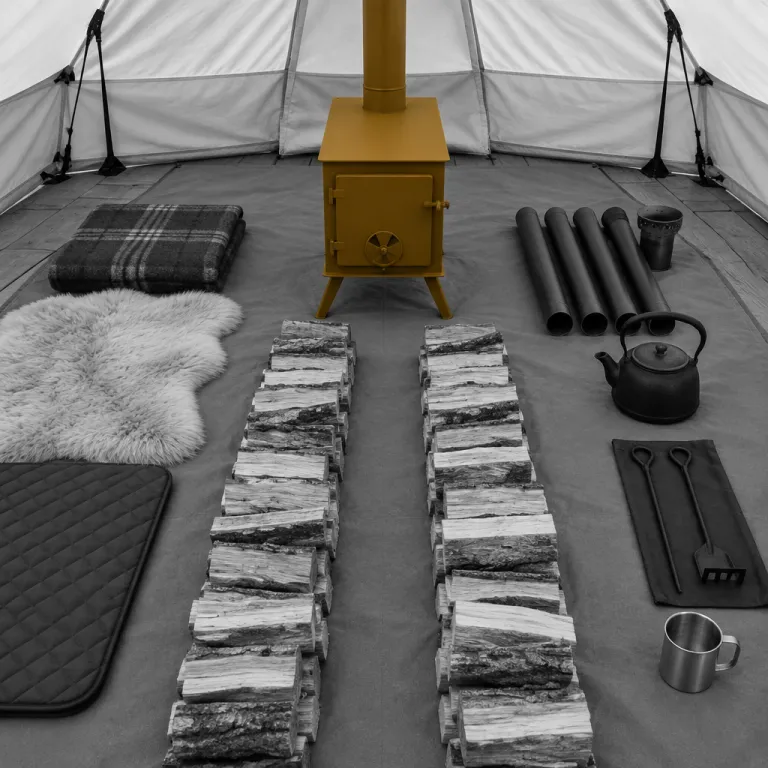
Why a tent wood heater is redefining luxury tent stays
A well designed tent wood heater has become the quiet star of high end glamping. In luxury properties where every tent feels like a private suite, the right wood stove now shapes how guests sleep, dress, and even plan their winter camping adventures. For travelers comparing tents and hotels, this discreet heater often determines whether a stay feels indulgently warm or merely picturesque.
Premium camps now describe the exact tent stove model, typical nightly fuel use, and the expected burn time per load. Guests want a clear view of how the stove performs in real conditions, from damp forest green valleys to high altitude plateaus with harsh winds. When a property explains what level of heating is included in the base rate and what counts as an upgrade, it signals transparency and helps travelers understand what level of comfort they are actually booking.
On serious booking platforms, you will often see separate reviews for the tent and for the tent stoves installed inside. These comments, quick to mention how hot the interior becomes, how heat resistant the floor and walls feel, and how quiet the unit operates, carry more weight than generic comfort scores. For luxury travelers used to precise data, a clear breakdown of heating options and what each one delivers is now as important as thread count or minibar brands.
From rustic to refined: innovations in tent stove technology
The latest generation of tent wood heater designs has moved far beyond the smoky camp stoves of childhood. High end brands now engineer each wood stove as a compact heating unit with controlled airflow, secondary combustion, and carefully calculated flue heights. In luxury tents, this means a hot tent experience that feels closer to a mountain chalet than a basic camping shelter.
Specialist manufacturers such as RBM Outdoors and Caminus have pushed the category forward with lighter alloys and more heat resistant glass panels. Representative models in this class typically offer heat outputs in the 3–6 kW range, burn times of 4–8 hours on a single, well packed load of hardwood, and firebox volumes around 25–40 liters. According to manufacturer specifications, selected Caminus wood stoves and RBM Outdoors units are designed so that guests can safely view the flames while sitting only a few metres away, wrapped in blankets and sipping wine. When a property specifies that it uses a particular Caminus unit in all hot tents, guests can reasonably expect consistent warmth across different tents and different weather conditions.
For operators, these innovations also change how they present prices and promotions on booking pages. A standard nightly rate might include a compact tent stove, while a premium package could upgrade guests to a larger Caminus wood unit with extended burn time and higher output. Clear notes about what is included, what costs extra, and how replacement parts are sourced reassure travelers that the system is maintained to a high standard, especially in remote locations where harsh conditions can quickly damage inferior equipment.
Luxury camps that operate in regions with unpredictable storms now highlight their heating strategy alongside their weather resilience measures. When you read about how a property handles rain, wind, and unexpected wildlife, pay attention to whether the same care is applied to ventilation, spark arrestors, and safe clearances around each tent stove. A refined tent wood heater is only truly luxurious when it is also engineered and managed with rigorous safety in mind.
Designing hot tents for comfort, safety, and style
In the premium segment, a tent wood heater is never an afterthought bolted into a random corner. Architects and interior designers now plan each tent around the wood stove, balancing heat distribution, furniture placement, and the view from the bed. The result is a hot tent layout where guests can feel the warmth evenly, without scorched fabrics or cold spots near the entrance.
Many luxury operators choose a forest green canvas exterior for visual harmony with the landscape, then line the interior with pale textiles that reflect light from the hot unit. This contrast allows the flames inside the Caminus wood or RBM Outdoors stove to become a design feature rather than a purely functional appliance. When you browse property photos, look for how the tent stoves integrate with seating areas, luggage racks, and pathways to the bathroom, because this reveals how carefully the space has been planned.
Safety remains non negotiable, especially for winter camping when guests may run the stove for long hours. Top tier properties use heat resistant mats, double walled flues, and clear written guidance on regular operation, including how much wood to add and how quickly the tent will become hot. Many also specify that their heaters comply with recognized solid fuel appliance standards, such as EN 13240 in Europe or EPA certified wood stove criteria in North America, and that installations are inspected at the start of each season. If you are planning a stay during shoulder seasons, many booking sites now link to seasonal guides about fall glamping and peak tent season, which often explain how the tent wood heater is managed as temperatures shift between day and night.
Thoughtful design also extends to how pricing is communicated for different tent categories. A larger hot tent with a more powerful wood stove might carry a higher nightly rate, while a smaller unit in a compact tent could appear at a lower price during midweek periods. When a platform clearly labels what you pay for extra firewood, upgraded heaters, or late season surcharges, it becomes easier to match your comfort expectations with your budget.
Comparing heating options across tents, inflatable tents, and hybrid structures
Not every luxury tent is built the same way, and the tent wood heater must match the structure. Traditional canvas tents with tall ridgelines can host a central wood stove that radiates heat in all directions, creating a classic lodge atmosphere. By contrast, an inflatable tent or semi rigid dome often requires a more compact unit and carefully planned flue routing to maintain both pressure and safety.
Some high end camps now mix standard canvas tents with inflatable tent suites to offer different experiences within the same property. In these hybrid sites, you may see RBM Outdoors stoves in the canvas tents and a slimmer Caminus unit in the inflatable structures, each chosen for specific airflow and weight constraints. When reading property descriptions, pay attention to whether the same level of heating is promised in all tents, because a hot tent experience in one category may not translate identically to another.
Guest reviews provide valuable insight into how well each configuration performs in real conditions. Look for reviews quick to mention how hot the interior felt at night, how long the wood stove maintained embers, and whether the inflatable tent walls remained comfortably warm near dawn. If multiple reviews highlight that paying extra for a larger stove was worth the additional cost, this suggests that the base configuration may be better suited to milder conditions rather than deep winter camping.
For travelers comparing prices, note how booking platforms present different structures and heating setups. A forest green canvas tent with a full size tent stove might sit at a higher nightly rate, while an inflatable option with a smaller unit could appear with more aggressive discounts during off peak periods. Understanding these nuances helps you decide whether to allocate more of your budget to space, to heating performance, or to other amenities such as private decks and hot water systems.
How pricing, shipping, and promotions shape luxury heating choices
Behind every warm luxury tent lies a chain of purchasing decisions that affect both comfort and cost. Operators must weigh the base price of each tent wood heater against long term durability, ease of maintenance, and the expectations of guests paying premium nightly rates. For travelers, understanding these dynamics can clarify why one tent category costs more than another, even within the same property.
Many camps source their wood stove equipment from specialist brands that offer bulk order discounts or free shipping above a certain value, which can influence which models they standardize across all tents. When a supplier lists a clear unit price in USD, along with transparent information about accessories and replacement parts, it becomes easier for operators to calculate total investment per tent, including spare glass, gaskets, and heat resistant accessories. These behind the scenes calculations eventually show up on booking pages as subtle differences in nightly rates between tent types.
Some properties highlight their partnerships with brands such as RBM Outdoors or Caminus to reassure guests about quality and safety. When you see a note that all hot tents are equipped with a specific Caminus wood unit, you can infer that the operator has invested in consistent heating performance rather than mixing random stoves bought on clearance. In a few cases, camps even explain that they chose a slightly higher unit price to secure better after sales support and faster shipping for replacement glass or flue sections, which directly benefits guests during long seasons.
For travelers who care about sustainability, pricing information can also hint at how efficiently the tent stove burns fuel. Higher quality units often cost more upfront but use less wood to keep the tent hot under demanding conditions, especially during winter camping. When a property is transparent about both its equipment choices and the operational logic behind them, it builds trust and helps guests feel that their nightly rate reflects thoughtful, long term investment rather than short term savings.
Guest expectations, reviews, and the rise of coody style luxury tents
As luxury tent stays gain popularity, guest expectations around heating have become sharply defined. Travelers now arrive with a mental checklist that includes not only a tent wood heater but also clear instructions, visible safety measures, and rapid response if anything feels off. In this context, the line between a charmingly rustic stay and a frustratingly cold night often comes down to how well the property anticipates and manages those expectations.
Some brands have leaned into a deliberately coody aesthetic, creating coody tents that feel like alpine cabins translated into canvas form. These tents often feature a centrally placed wood stove, layered textiles, and carefully curated lighting that highlights the glow from the hot unit without overwhelming the senses. When reading reviews, notice how often guests mention feeling instantly coody upon entering, because this indicates that the design, heating capacity, and overall atmosphere are working together rather than in isolation.
Review platforms and booking engines now allow guests to rate specific aspects such as heating performance, not just overall satisfaction. Comments that mention how quickly the tent became hot after lighting the stove, how stable the temperature remained through the night, and how staff explained the regular operation of the unit are particularly valuable. When multiple reviews quick to praise the tent stoves appear across different seasons, you can be confident that the system performs reliably under varied conditions.
For operators, these reviews directly influence pricing strategies and promotional messaging. A tent category that consistently earns high scores for warmth may justify a higher standard rate, while a newer configuration might be introduced at a lower introductory price until enough positive feedback accumulates. Over time, the interplay between guest reviews, equipment choices, and the perceived value of a hot tent experience shapes which properties stand out in a crowded luxury camping market.
Integrating hot water, climate control, and all season comfort
Heating in a luxury tent is no longer limited to the tent wood heater alone. High end properties now think in terms of a complete climate strategy that combines the wood stove, hot water systems, and intelligent ventilation. For guests, this means that the warmth from the stove is complemented by comfortable showers, dry towels, and a sleeping environment that feels stable rather than stuffy.
Many operators pair their tent stoves with efficient hot water heaters designed specifically for camping environments. When these systems are described clearly on booking pages, including how quickly they reach a hot temperature and how they are protected against freezing conditions, travelers can better judge whether the property suits true winter camping. Detailed explanations of how the wood stove, hot water, and insulation work together often appear in dedicated guides to elegant ways to enjoy hot water heaters for camping in luxury tent stays, which are worth reading before you commit.
All season comfort also depends on how the tent structure itself responds to changing weather. A forest green canvas tent may absorb more solar heat during sunny days, while an inflatable tent might rely more heavily on the wood stove once the sun sets and temperatures drop. When properties explain how they adjust stove operation, ventilation, and bedding across different conditions, they signal a level of operational maturity that should reassure even cautious travelers.
For guests comparing options, it helps to think of the tent stove as the heart of a broader comfort ecosystem. The unit price of a premium Caminus wood or RBM Outdoors model may be higher, but its ability to keep the tent hot with less fuel, maintain safe clearances, and integrate with other systems often justifies the investment. When a booking platform presents clear information about what is included in the rate and what counts as an add on related to enhanced heating and hot water, you can make a more informed decision about where to spend your next cold season night under canvas.
Key statistics on luxury tent heating and guest expectations
- Industry surveys of glamping operators consistently report higher occupancy in shoulder and winter seasons when reliable in tent heating, such as wood stoves or equivalent systems, is provided compared with unheated sites. For example, American Glamping Association member feedback indicates that properties adding enclosed heating frequently see double digit percentage increases in cold season bookings.
- Research from large campground networks indicates that more than half of glamping guests rank temperature control as a top factor when choosing a property, placing it alongside bed comfort and bathroom quality. Kampgrounds of America (KOA) North American Camping and Outdoor Hospitality Reports, for instance, note that climate control and warm accommodations are repeatedly cited as key decision drivers for glamping guests.
- Sales data published by major outdoor equipment retailers over recent years shows strong growth in tent stoves and related accessories, reflecting rising interest in winter camping and all season glamping. Retail trend summaries describe multi year increases in demand for portable wood heaters, insulated tents, and compatible flue systems.
- Guidance from sustainable tourism organizations notes that efficient, well maintained heating systems can significantly reduce fuel consumption in cold climate accommodations, which directly lowers both operating costs and environmental impact. The Global Sustainable Tourism Council (GSTC) criteria, for example, encourage operators to monitor energy use and adopt efficient, low emission heating technologies wherever feasible.
FAQ about tent wood heaters in luxury tent stays
Are tent wood heaters safe to use in luxury tents ?
When properly installed and maintained, a tent wood heater can be very safe in a luxury tent environment. High end properties use certified stoves, double walled flues, spark arrestors, and heat resistant floor and wall protections. They also provide clear operating instructions and regular staff checks, which significantly reduce the risk of accidents.
How warm can a luxury tent get with a wood stove ?
A well specified wood stove can keep a luxury tent comfortably warm even when outside temperatures drop below freezing. Many premium hot tents maintain interior temperatures between 18 and 22 degrees Celsius, depending on insulation and tent size. The key factors are stove capacity, quality of firewood, and how well the tent is sealed against drafts.
Should I choose a larger stove or a smaller tent for winter camping ?
For serious winter camping in luxury conditions, balance matters more than sheer size. A slightly smaller but well insulated tent with a correctly sized stove often performs better than an oversized tent with an underpowered unit. When booking, look for detailed descriptions of both tent dimensions and stove specifications rather than relying only on photos.
What is the difference between a standard camping stove and a tent wood heater ?
A standard camping stove is usually designed for cooking and short term use, not for heating an enclosed space. A tent wood heater, by contrast, is built specifically to warm the interior of a tent safely over many hours, with controlled airflow and proper flue systems. Luxury properties always use purpose built tent stoves rather than adapting basic camping stoves for heating.
Can inflatable tents safely use wood stoves ?
Inflatable tents can safely use wood stoves if they are designed and certified for that purpose. The stove must be carefully positioned, with reinforced, heat resistant sections where the flue exits the structure, and with strict clearance rules around all inflatable elements. Reputable luxury operators only install wood stoves in inflatable tents that have been engineered and tested for this specific configuration.
References
- American Glamping Association (industry reports and operator surveys on cold season occupancy and heating)
- Kampgrounds of America (KOA) North American Camping and Outdoor Hospitality Reports on guest preferences and climate control
- Global Sustainable Tourism Council (GSTC) criteria and guidance on energy efficient accommodations and responsible heating
