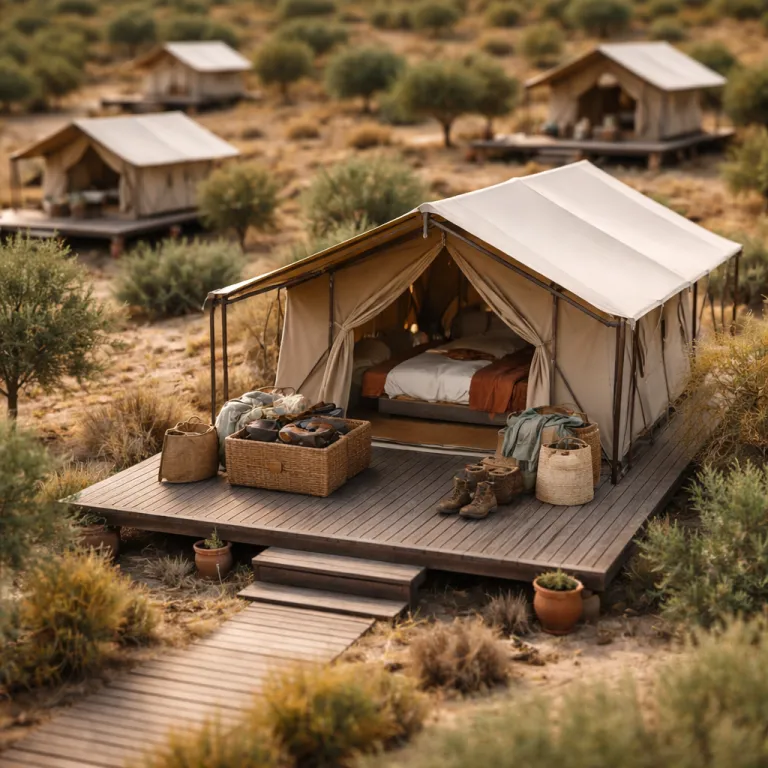
First time glamping tips for choosing the right camp
For a first time glamping stay, the most important decision is where you camp. A luxury tent in the great outdoors can feel wildly different depending on whether the campsite sits beside a quiet river, a busy family campground, or a private conservancy in South Africa. For example, a tented suite at Tanda Tula in the Timbavati Reserve feels very different from a bell tent at a family-friendly KOA near Yellowstone. Before you book any camping trip, read every line of the listing, then email the glamping site operators directly with precise questions about noise, privacy, and what essential gear they actually provide.
Glamping is glamorous camping, combining outdoor experience with luxury amenities. That definition sounds simple, yet the gap between marketing and reality can be wide, so the best first time glamping tips always start with clarity about the tent itself, the bathroom set up, and how far you will walk from car to camp. On many properties the walk is less than 50 metres along a gravel path, while remote safari style camps may require a guided transfer from a central parking area in a 4x4 vehicle. Ask whether the camp uses permanent platforms or seasonal canvas, how they set the tent against prevailing winds, and whether the paths are lit at night or you will rely on your own headlamp.
When you compare outdoors camping options on different platforms, treat them like distinct tools rather than interchangeable booking engines. Hipcamp style listings often feel closer to traditional camping tips, with more rustic campsites where you may need to pitch tent or at least help set tent on arrival, while a dedicated luxury tent booking website usually focuses on fully serviced camp experiences. A good travel agent who knows camping best in your chosen region will help filter the noise, especially for complex trips that combine a high end campground in South Africa with a classic KOA style campground in North America during the same trip. One safari specialist described it neatly: “Think of your tent as a tiny hotel room in the bush; the more you know about its layout before you arrive, the more relaxed you will feel on that first night.”
What to pack, what to skip: the luxury glamping gear edit
Most negative first time glamping reviews come from guests who packed for rugged camping, then arrived to find hotel level linens folded neatly inside the tent. For a premium camp, your packing list should be lighter and smarter, focused on layers, lighting, and a few pieces of essential gear that will help you sleep well and move comfortably between your tent and shared areas. Before you start filling a bag with every camping accessory you own, ask the hosts exactly which items they provide and which they expect you to bring, then build a short checklist from their answers.
Pack a soft duffel bag rather than a hard suitcase, because it will work better on gravel paths and can slide easily under a raised bed inside the tent. Even when the property supplies a high quality sleeping bag or duvet, a compact sleeping pad can help keep you insulated from temperature swings if the nights run colder than expected. A small first aid kit with plasters, pain relief, and antihistamines will help keep minor issues from overshadowing your first camping style night, especially if you are far from a town or pharmacy.
Think of your personal camping trip kit in three categories, and keep it tight. First, light and power for the great outdoors; a reliable headlamp with a red light mode, a small USB rechargeable lantern, and a power bank of at least 10,000 mAh will help when campsite lighting feels softer than a city hotel corridor, and this advice applies whether you glamp in South Africa or at a polished KOA campground. Second, comfort and clothing; for detailed safari layering ideas, see this guide to what to wear on African safari for effortless style and comfort, which translates perfectly to many luxury tent stays where mornings are cool and afternoons hot. Third, water and washing; a reusable bottle, a simple gravity fed water filter or purification tablets, and a quick dry travel towel cover most needs without overpacking.
Food, water and the reality of eating under canvas
Food is where first time glamping expectations often drift furthest from reality, because glossy photos rarely show the logistics behind that perfect camp breakfast. Some luxury camps operate like full service lodges with all inclusive meal planning, while others expect you to bring your own food and treat the stay more like refined outdoors camping with a better bed. Always ask whether the rate includes breakfast, dinner, and drinking water, and whether the water is filtered on site or you should travel with extra bottles or a compact filter.
When meals are not included, approach your camping trip menu like a city weekend, not a survival exercise. Simple, high quality ingredients that pack easily in a bag and require minimal cooking will work best, especially if the campsite kitchen is shared or the campfire is managed by staff on a schedule. Think pre cooked grains, marinated vegetables, and one pan suppers rather than elaborate recipes. Thoughtful meal planning will help keep your first time glamping stay relaxed, because you will not be scrambling for food at dusk while trying to set tent or learn how to use unfamiliar camp stoves.
Many premium properties now offer hybrid options, such as breakfast hampers and pre marinated grills that you can cook yourself at the campground. This style of service gives you the pleasure of cooking in the great outdoors while removing the stress of shopping and chopping, and it suits solo travelers who do not want to carry heavy gear. If you are pairing a romantic tented escape in Vermont with a lakeside stay elsewhere, use a detailed guide to elegant places to stay in Queenstown for lakeside luxury and tented escapes as a benchmark for how top tier properties handle food, from welcome snacks to late night fire pit service.
Sleeping, sounds and the first night adjustment
The first night in a luxury tent can feel surprisingly intense, even for seasoned hotel guests, because canvas amplifies the soundtrack of the great outdoors. Wind, rain, distant dogs, and the quiet hum of other guests moving around the campground all filter through the fabric walls, and this is where honest first time glamping tips matter more than any styled photograph. Expect that your first camping style night may feel lighter and more alert, and know that the second night almost always feels calmer as your brain learns which sounds signal real concern and which are just the normal rhythm of the camp.
To sleep well, treat your tent like a bedroom you can tune rather than a fixed structure. Use a good quality sleeping pad or mattress topper if the provided bed feels too firm, and adjust ventilation panels to help keep condensation down while maintaining warmth, especially in South Africa or other regions with sharp night time temperature drops. A familiar sleeping bag liner or soft scarf can help your body relax faster, and these small pieces of essential gear will help bridge the gap between hotel predictability and outdoors camping texture.
Light control matters as much as sound, because many luxury camps embrace natural darkness rather than bright security lighting. Bring an eye mask if you are sensitive to early dawn, and keep your headlamp and a small torch in an easy to reach spot near the bed or bag so you are not fumbling in the dark. If you are planning an intimate romantic vacation in tented retreats, this honest guide to an intimate romantic vacation in Vermont’s most charming tented retreats shows how thoughtful lighting design at camp can turn a simple tent into a quietly luxurious suite without losing the sense of being outside.
Booking smart and staying safe: from platforms to first aid
Choosing where and how you book your first time glamping stay shapes everything that follows, from safety to service. Booking through glamping platforms, packing appropriate clothing, and planning meals if not provided are the three pillars that experienced travelers return to again and again. When you compare a direct booking website, a Hipcamp style listing, and a traditional travel agent, remember that each option will help with different parts of the trip, so match the tool to your confidence level with camping and how much support you want on the ground.
On any platform, read past reviews with a camper’s eye, not a hotel guest’s mindset. Look for specific mentions of how the hosts manage first aid, whether the camp provides an aid kit in each tent, and how quickly staff respond when guests need help at night, because these details matter more in the great outdoors than thread count. One dataset summary of the sector describes the context clearly; desire for outdoor experiences without sacrificing comfort, and that is exactly where a well run campsite shines, offering both emotional reassurance and practical camping tips for guests who may be on their first camping style holiday.
Safety is not about fear, it is about quiet confidence that your set up will work. A compact personal first aid kit, a clear understanding of how to reach staff, and a realistic sense of your own camping best practices will help keep your first time nerves in check, whether you are at a polished KOA campground or a remote camp in South Africa. When you read any guide camping article, focus less on dramatic stories and more on calm, specific advice about how to pitch tent safely if required, how to move around camp after dark, and how to respect wildlife without turning every rustle into a crisis.
FAQ
What is glamping and how is it different from camping ?
Glamping is glamorous camping, combining outdoor experience with luxury amenities. Traditional camping usually means bringing your own tent, sleeping bag, and most essential gear, while glamping sites often provide a fully furnished tent, proper bed, and curated services. For a first time guest, glamping offers a softer entry into the great outdoors without the full logistics of a self managed camping trip.
What should I bring for my first luxury glamping trip ?
Pack light but precise; layers of clothing, a headlamp, a power bank, and a small first aid kit usually matter more than bulky gear. Confirm whether the campsite provides towels, toiletries, and bedding so you do not duplicate what is already in the tent. Always bring a reusable water bottle and any personal medications, because even the best campground can be some distance from a pharmacy.
Are meals and drinking water usually included at glamping sites ?
Meal arrangements vary widely, from fully catered camp kitchens to sites where you must bring all your own food. Always check whether breakfast and dinner are included, whether there is a shared cooking area, and if the tap water is safe to drink or filtered on site. Clear answers will help with realistic meal planning and prevent last minute stress during your first time stay.
Do glamping sites have private bathrooms ?
Many luxury tents feature en suite bathrooms with hot water, while others use high quality shared facilities a short walk from the tent. The only reliable way to know is to read the listing carefully and ask the hosts directly before you travel. If privacy is essential for your trip, make this a non negotiable filter when you choose your camp.
Is glamping suitable for solo travelers and first time campers ?
Glamping works very well for solo travelers and anyone on their first camping style holiday, because staff are on hand to help with practical questions. Look for properties that mention clear safety procedures, responsive hosts, and thoughtful guest support in reviews. These details will help keep your first time experience relaxed, whether you are glamping in South Africa, North America, or closer to home.
First time glamping checklist: packing and safety essentials
Use this compact checklist to streamline your first luxury camping trip:
Packing basics: soft duffel bag, layered clothing, reusable water bottle, compact sleeping pad, eye mask, headlamp with spare batteries, small lantern, power bank, quick dry towel, and a lightweight daypack for walks between car and tent. Add a simple gravity filter or purification tablets if the listing suggests bringing extra drinking water.
Safety and comfort: personal first aid kit with plasters, pain relief, antihistamines, and any prescription medication; printed or offline directions to the campground; emergency contact numbers for camp staff; and a clear note of check in times so you arrive before dark. Review how to move safely around camp at night, where to store food, and any wildlife guidelines provided by the hosts so your first time glamping stay feels adventurous but calm.