Understanding tent types for luxury and premium stays
Choosing between different tent types shapes the entire feeling of a luxury stay. A well designed shelter with the right frame and poles can turn remote camping into a refined private retreat. For travelers used to five star suites, the structure and layout of the tent often matter more than any welcome drink or signature amenity.
Luxury properties now use a wide range of tents, from sculptural dome tents to expansive cabin tents with straight walls. Each tent category offers a specific sleeping area layout, inner structure, and season rating that affects comfort, privacy, and noise levels. When comparing tent types, consider how you like to sleep, dress, and relax rather than only focusing on the view or the advertised floor area.
Classic ridge tents with a central pole feel nostalgic yet can be upgraded with premium 10–12 oz canvas and a compact wood stove. Dome tents with intersecting 8.5–11 mm aluminum poles create strong geodesic curves that handle wind better than many cabin tent structures. Tunnel tents stretch their flexible frame into long galleries, which makes them ideal when you want separate rooms for couples, children, or staff.
Key structural elements in luxury tents
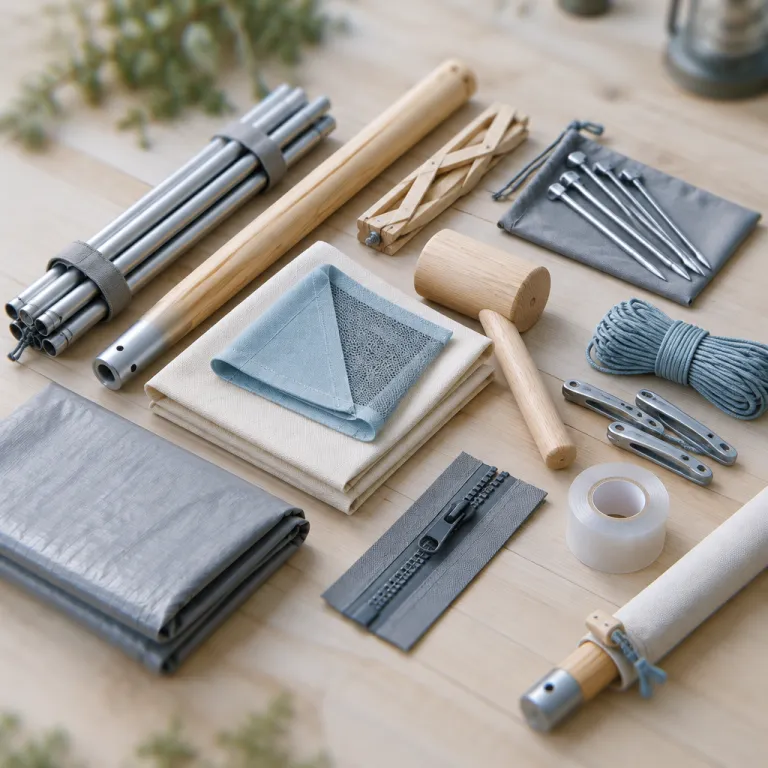
Every luxury tent begins with its frame, because the frame tent structure defines stability and usable volume. Flexible poles in a dome tent create rounded inner spaces, while straight poles in a cabin tent carve out almost vertical walls. When evaluating tent types for a premium booking, ask how the pole system is anchored, what materials are used, and how often the hardware is inspected or replaced.
High end canvas tents often combine anodized aluminum poles with tensioned guy lines to keep the shelter silent in strong winds. A well tensioned frame tent reduces fabric flapping, which protects sleep quality and keeps the sleeping area calmer. In contrast, a simple pole tent with minimal guying can feel noisy and less reassuring during storms, especially when pitched on exposed ridgelines.
Backpacking tents used in luxury trekking camps rely on lightweight aluminum or carbon fiber poles and compact frames, which suit remote fly in experiences. Cabin tents and bell tents at drive in sites can use heavier steel poles because car camping removes weight limits. Tunnel tents and ridge tents sit between these extremes, offering long term durability with a balanced frame weight and simpler maintenance demands.
Dome, tunnel, and cabin tent types in premium properties
Among all tent types, dome tents dominate many luxury safari and stargazing camps. A dome tent uses crossing poles to create a self supporting frame, which allows generous windows and panoramic openings. This design works beautifully on raised decks where guests want uninterrupted views without intrusive support poles or bulky guy lines in sightlines.
High end dome tents often feature double walls, with a breathable inner tent and a protective outer shell. The inner fabric manages condensation while the outer layer handles rain, wind, and ultraviolet exposure across each season. At the booking stage, it is worth confirming whether the dome tent is rated as a three season or four season shelter, because that affects both insulation and ventilation as well as how quietly the tent handles bad weather.
Tunnel tents stretch curved poles into long archways, creating spacious corridors that suit families or small groups. Many tunnel tents in premium camps divide the sleeping area into separate suites, each with its own inner partition. This tunnel layout feels more like a rail carriage than a simple camping shelter, which appeals to travelers who value privacy and clear separation between sleeping and lounging zones.
Cabin tents for guests who love room like comfort
Cabin tents are the closest equivalent to a small villa among tent types. A cabin tent uses near vertical walls and a boxy frame, which maximizes standing height and usable floor space. This structure works especially well for car camping resorts where weight and packed size are less important than comfort, furnishings, and ease of housekeeping.
Luxury cabin tents often include multiple rooms, with a central lounge and separate sleeping area wings. The straight poles and rectangular frame make it easy to add proper beds, wardrobes, and even writing desks. In premium properties within two hours of a major airport, cabin tents are frequently highlighted for guests who want effortless arrivals without long transfers, as shown by luxury tent properties close to major airports.
Some cabin tents use hybrid designs that blend dome curves with cabin walls, which softens the silhouette while keeping headroom. These hybrid camping tents still rely on strong poles and a stable frame, but they feel less boxy from the outside. For travelers who care about both aesthetics and comfort, this type tent solution can be ideal.
Canvas, bell, and hot tents for all season elegance
Canvas tents have become the signature of many high end glamping estates. Natural canvas breathes better than most synthetic fabrics, which keeps the inner climate more stable across each season. When treated correctly, canvas tents also age gracefully, developing a patina that feels closer to a heritage lodge than to ordinary camping gear.
Bell tents are a distinctive subcategory of canvas tents, recognized by their central pole and circular floor plan. A bell tent creates a soaring ceiling that feels almost cathedral like, especially when styled with chandeliers and layered textiles. Many luxury camps use multiple bell tents as individual suites, arranging them around shared fire pits or dining pavilions.
Hot tents take the canvas concept further by integrating a safe wood burning stove inside the shelter. These hot tents require a dedicated stove jack and careful separation between the stove and the canvas walls. When operated by trained staff, a hot tent can offer long term comfort in cold climates that rivals many mountain lodges.
Season ratings and thermal comfort
Season ratings help you compare tent types for different climates and altitudes. Three season tents are designed for spring, summer, and autumn, balancing ventilation with weather protection for most camping trips. Four season tents add stronger poles, lower profiles, and more robust walls to handle snow and high winds.
Luxury properties often use three season tents in temperate regions, then switch to hot tents or insulated canvas tents in colder destinations. At the reservation stage, it is useful to ask whether the property uses dedicated season tents or adapts the same tent with liners and stoves. This detail influences not only warmth but also how quietly the tent handles storms and temperature swings.
Backpacking tents used in alpine lodges may be rated for harsher conditions than large cabin tents on coastal plains. A compact dome tent with a reinforced frame can feel safer in exposed locations than a tall pole tent with large flat walls. Matching the season rating to your itinerary ensures that elegance never comes at the expense of security.
Backpacking tents, car camping comfort, and long term stays
Not every luxury tent stay involves arriving by 4x4 or seaplane. Some premium trekking operators use backpacking tents to create mobile camps that follow multi day hiking routes. These backpacking tents prioritize low weight and compact frames, yet can still be styled with plush bedding and curated amenities.
When evaluating backpacking tents for guided trips, focus on the inner layout and vestibule space. A well designed backpacking tent offers a protected area for boots and gear, which keeps the sleeping area clean and uncluttered. Dome tents are common in this category because their intersecting poles balance strength and weight for demanding terrain.
Car camping resorts, by contrast, can use heavier cabin tents, bell tents, and frame tents without worrying about pack size. In these settings, the frame tent structure allows for proper furniture, layered rugs, and even freestanding wardrobes. Guests enjoy the freedom of camping with the comfort of a thoughtfully designed suite.
Planning for long term tent stays
Some luxury properties specialize in long term tent stays that last several weeks or more. For these extended visits, canvas tents or hybrid frame tents usually perform better than ultralight camping tents. The thicker canvas, stronger poles, and more rigid frame reduce wear, noise, and temperature swings over time.
For a long term booking, it is worth asking how often the tent fabric, poles, and guy lines are inspected. A well maintained frame tent or ridge tent can feel as solid as a small cabin, especially when pitched on a raised wooden platform. Properties that invest in regular maintenance usually provide a quieter sleeping area and more reliable shelter during storms.
For extended safaris or seasonal retreats, many travelers choose bell tents or cabin tents with defined inner zones. Separate sleeping area sections, dressing corners, and lounge spaces make a long term stay feel more like a private residence. This thoughtful design turns tent types into a genuine alternative to traditional suites rather than a novelty.
Frame tents, ridge tents, and pole tent heritage
Frame tents represent one of the most versatile tent types in luxury hospitality. A frame tent uses a rigid skeleton of poles that support the fabric independently of tension lines. This structure allows for wide doorways, tall walls, and open interiors that can host everything from spa treatments to private dinners.
Many high end camps use frame tents as shared lounges or dining pavilions, complementing smaller sleeping tents nearby. The frame tent design makes it easy to add glass panels, wooden floors, and even climate control systems. When a property features a central frame tent, guests can usually expect a more social atmosphere around meals and sunset drinks.
Ridge tents and pole tents carry a strong sense of expedition heritage that appeals to certain travelers. A ridge tent uses a horizontal pole supported by vertical posts, creating a classic triangular profile. This simple frame remains popular in remote wildlife corridors where quick pitching and reliable shedding of rain still matter.
Balancing nostalgia and modern comfort
Some luxury operators deliberately choose ridge tents or pole tents to evoke early exploration eras. They then upgrade the inner furnishings with high thread count linens, curated libraries, and artisanal lighting. This contrast between traditional shelter and modern comfort creates a distinctive narrative for your stay.
In properties positioned on wildlife corridors, lighter ridge tents and tunnel tents are often used to minimize permanent impact on the land, as explained in this guide to tent properties on wildlife corridors. These tents can be moved between seasons, which protects migration routes and sensitive habitats. For guests, this approach offers the rare experience of sleeping close to wildlife while supporting responsible conservation.
Even in heritage inspired camps, practical details such as floor insulation, wall liners, and stove safety deserve attention. A well installed stove in a hot tent or ridge tent should have clearances from all canvas walls and a proper flue. When these technical aspects are handled correctly, nostalgic tent types can feel as secure as any modern dome tent.
Design details that define luxury tent experiences
Beyond the main tent types, small design decisions shape how luxurious a stay feels. The way the inner tent is divided, the height of the walls, and the placement of windows all influence comfort. Even the choice between canvas and synthetic fabrics affects acoustics, scent, and the play of morning light.
High end properties often commission custom camping tents with extended vestibules, integrated decks, and carefully oriented doors. These design choices protect privacy while framing views of mountains, desert, or savannah from the sleeping area. When reading property descriptions, it helps to look for details about orientation, insulation, and airflow rather than only square metres.
Lighting design inside tents also matters more than many guests expect. Soft, layered lighting in a cabin tent or bell tent can transform the shelter into a serene retreat after sunset. In contrast, a single harsh ceiling lamp can make even the most spacious dome tent feel utilitarian.
Matching tent types to your travel style
Choosing the right tent types begins with an honest look at how you like to travel. If you prefer structured days and spa appointments, a large cabin tent or frame tent with defined rooms will probably suit you best. Travelers who enjoy a sense of expedition may gravitate toward dome tents, tunnel tents, or ridge tents with simpler layouts.
Those curious about the value of more permanent canvas structures such as yurts can benefit from transparent pricing analyses, like the breakdown of what a yurt stay is really worth for a luxury escape on this guide to the real value of a yurt stay. Similar logic applies when comparing bell tents, cabin tents, and other canvas tents across different properties. Looking beyond headline rates to understand what each tent type includes in terms of privacy, service, and season readiness leads to more accurate comparisons.
For guests who plan frequent car camping weekends, investing in knowledge about backpacking tents and camping tents can also pay off. Understanding how poles, frames, and season ratings work will help you read property descriptions with a more critical eye. Over time, it becomes easier to recognize which tent types align with your expectations for space, silence, and long term comfort.
Key statistics on luxury tent types and camping trends
- According to Kampgrounds of America’s North American Camping Report 2024, participation in camping across North America increased by roughly 20 percent between 2019 and 2023, which has driven rapid growth in premium camping tents and canvas tents at high end properties.
- Market analysis from Grand View Research on the global glamping segment (2023) indicates that the sector, which includes luxury dome tents, cabin tents, and bell tents, is projected to grow at a compound annual rate above 10 percent through 2030, reflecting strong demand for upscale outdoor stays.
- Data summarized in the Outdoor Industry Association’s 2023 Outdoor Participation Trends Report show that three season tents account for the majority of recreational tent sales, confirming that three season designs remain the most versatile option for both private camping and luxury tent resorts.
- Briefings compiled by leading safari consortia in East Africa in 2022 suggest that more than half of new tented suites now use some form of canvas tents or hybrid frame tents, because these tent types balance durability, aesthetics, and long term sustainability.
- Consumer research from travel agencies specializing in car camping holidays, published in 2023 trade reports, indicates that guests staying in cabin tents or frame tent suites are willing to pay a premium of 15 to 25 percent compared with standard camping shelters, in exchange for larger sleeping areas and better amenities.
FAQ about luxury tent types for premium stays
Which tent types offer the most space for luxury stays ?
Cabin tents and large frame tents usually provide the most interior space, thanks to their near vertical walls and rectangular footprints. Bell tents also feel spacious because of their high central pole and circular design, especially when used for a single couple. For families or groups, tunnel tents with multiple inner rooms can offer generous sleeping areas without sacrificing privacy.
Are canvas tents better than synthetic tents for comfort ?
Canvas tents breathe more naturally than most synthetic camping tents, which helps regulate temperature and reduce condensation. This makes canvas tents particularly comfortable for long term stays in temperate or dry climates. Synthetic fabrics, however, are lighter and dry faster, so they remain common in backpacking tents and some dome tents used in mobile camps.
What is the difference between three season tents and four season tents ?
Three season tents are designed for spring, summer, and autumn, prioritizing ventilation and rain protection over extreme snow loading. Four season tents use stronger poles, lower profiles, and more robust walls to handle heavy snow and high winds. Luxury properties choose between these season tents based on their climate, altitude, and operating calendar.
Which tent types are best for wildlife viewing ?
Dome tents and cabin tents with large windows or roll up walls are excellent for wildlife viewing, especially when placed on raised decks. Ridge tents and tunnel tents positioned along migration routes can also offer remarkable sightings, provided they are managed responsibly. Properties located on wildlife corridors often use lighter frame tents or pole tents that can be moved between seasons to reduce environmental impact.
How safe are hot tents with stoves in luxury camps ?
Hot tents in reputable luxury camps follow strict safety standards, including proper stove jacks, heat shields, and clearances from canvas walls. Staff are trained to manage the stove, control ventilation, and monitor carbon monoxide risks. When these protocols are followed, hot tents can provide warm, secure shelter that feels as safe as any other tent type in cold environments.