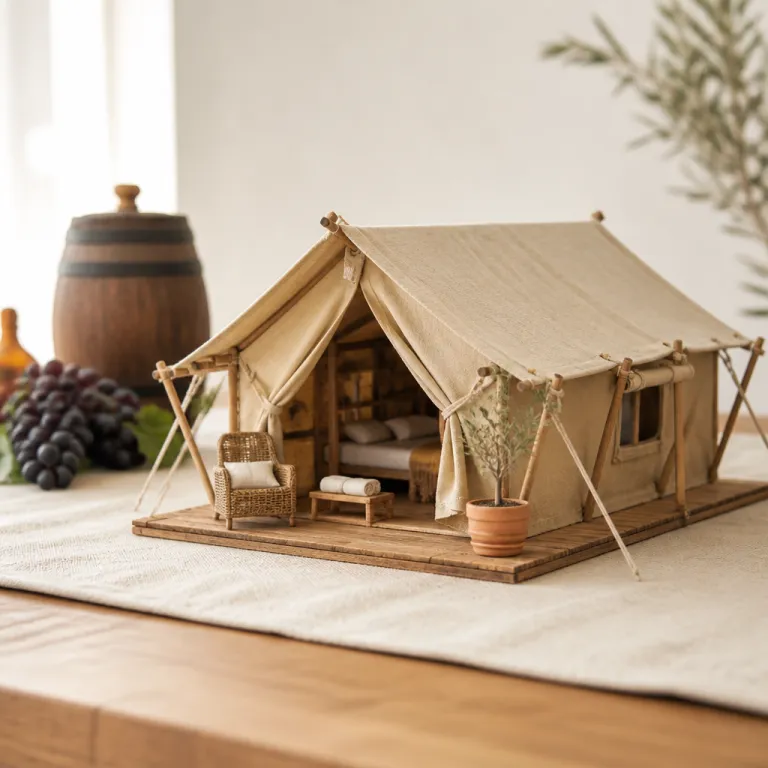
Why a tuscany winery hotel belongs on your luxury travel list
A carefully chosen tuscany winery hotel lets you wake to a vineyard view instead of city traffic. In this part of Italy, working wine estate properties combine historic charm with modern comfort, giving guests a direct connection to the land. For travellers used to luxury tents and elevated camping, these estates feel familiar yet distinctly Tuscan, with the added pleasure of on-site cellars and restaurant-quality dining.
Across Tuscany there are more than 700 wineries, and a growing number now operate as wine hotels with refined rooms and suites. Italian Wine Central estimates around 700 producers in the region, while Statista reports that Tuscany consistently ranks among Italy’s top wine-producing areas, with roughly 2.7 million hectolitres of wine per year. Many of these hotels sit on hilltop estates with hectares of vineyards and olive groves, so guests enjoy panoramic views over the country landscape in every season. When you book, study the details of each property’s layout, because some combine a main villa with separate annexes or luxury tented suites scattered among the vines.
La Torre alle Tolfe near Siena is a roughly 700-year-old estate that pairs a family-run wine estate with intimate hotel-style hospitality. At Relais Vignale & Spa in the Chianti Classico area, guests enjoy a restored manor house, a swimming pool overlooking vineyards, and easy access to cellar tours in nearby Castellina in Chianti. Il Falconiere Relais & Spa near Cortona, Valdonica Winery & Residence in Maremma, and Castello Bonaria above the coast all show how a tuscany winery hotel can feel both authentically rural and quietly luxurious, with real working vineyards just steps from your room.
From vineyard suites to luxury tents: matching stays to your travel style
Choosing between classic rooms, a historic villa, or luxury tents on a tuscany winery hotel estate shapes your entire stay. Traditional hotel rooms in converted farmhouses or manor houses suit travellers who want thick stone walls, antique beams, and easy access to the restaurant and cellar tours. Luxury tents and standalone suites, by contrast, appeal to guests who enjoy more private spaces and a closer connection to the surrounding vineyards and olive groves, often with decks that open directly onto the landscape.
On some estates in Chianti and coastal Maremma, owners now blend agriturismo traditions with high-end tented accommodation, echoing the comfort levels of premium safari-style camps. These luxury tents often sit on raised decks with panoramic views across hectares of vineyards, olive groves, and rolling Tuscan hills, and they usually include proper bathrooms, heating, and air conditioning for true modern comfort. If you appreciate the way state parks are going glamorous through government partnerships that elevate camping, you will recognise the same philosophy in these Italian wine hotels, where nature and comfort coexist in a single, carefully designed space.
Families may prefer a self-contained villa within a wine estate, because a villa offers multiple rooms, a kitchen, and a private garden near the swimming pool or even an infinity pool. Couples often book suites in the main hotel building to enjoy room service, spa access, and quick walks to the wine cellar for tastings. When you compare options, ask for clear details on distances between tents, rooms, and shared facilities, especially if you plan to move between the vineyards, the pool, and the restaurant several times a day; a five-minute stroll can feel very different from a 15-minute uphill walk after dinner.
Key Tuscan wine regions and how they shape your stay
Location matters when you choose a tuscany winery hotel, because each wine area offers a different rhythm and landscape. Chianti, stretching roughly between Florence and Siena, is the classic choice for travellers who want easy access to medieval towns, renowned Sangiovese-based wine, and a dense concentration of wine hotels. Coastal Maremma, by contrast, feels wilder and more open, with wine estate properties spread across low hills that roll towards the Tyrrhenian Sea and the beaches of southern Tuscany.
In Chianti Classico, villages such as Castellina in Chianti and Radda in Chianti sit among vineyards that have produced some of Italy’s best wine for centuries. A hotel here often occupies a stone borgo, or hamlet, where guests enjoy cobbled lanes, a central villa, and annexes converted into rooms and suites, all surrounded by vineyards and olive groves. Many estates in this area offer guided cellar tours, tastings of Chianti Classico and Super Tuscan labels, and access to walking trails that cross hectares of vineyards, making it easy to alternate between culture, wine, and countryside.
Maremma’s wine hotels, including Valdonica Winery & Residence and Castello Bonaria, tend to emphasise space, sea breezes, and wide-open panoramic views. These properties sometimes integrate luxury tents or standalone lodges into the estate, giving guests a more private base for exploring the country roads and coastal villages. If you enjoy pairing vineyard stays with lakeside glamour, you might also look at guidance on where to stay on Lake Como for the most luxurious village experience, then apply the same criteria to your Tuscan choices, such as walkability, view quality, and access to fine dining.
How to read the fine print when you book a tuscany winery hotel
Serious travellers treat a tuscany winery hotel booking like a wine label, reading every line of details. Start with the basics, such as check-in and check-out times, breakfast hours, and whether the rate includes tastings or cellar tours at the wine estate. Then look closely at room descriptions, because terms like villa, suite, and deluxe can mean very different layouts from one estate to another, ranging from compact attic rooms to sprawling apartments.
Many Tuscan wine hotels list the size of their vineyards in hectares, which helps you understand how immersed you will be in the agricultural side of the stay. A property with dozens of hectares of vineyards and olive groves will usually feel more rural and spread out, while a smaller estate near a town like Castellina in Chianti or Siena may offer quicker access to restaurants and shops. Ask whether the hotel buildings and luxury tents sit surrounded by vineyards or closer to the main road, because this affects both the view and the sense of privacy, as well as potential traffic noise.
For travellers who value time, it can be wise to focus on wine hotels within two hours of a major airport, and curated collections of luxury tent properties near key transport hubs can simplify this search. When you book directly with the hotel, confirm whether the swimming pool or infinity pool is heated, whether spa access is included, and how many rooms share each pool area. Clarify policies on children, pets, and private events, because weddings and corporate retreats can change the atmosphere of even the most tranquil wine estate; one couple who booked a quiet September weekend in Chianti, for example, found their stay transformed by a 120-guest wedding that filled the courtyard until midnight.
Design, amenities, and the feel of true Tuscan luxury
The best tuscany winery hotel properties balance historic charm with modern comfort, rather than chasing trends. In practice this means original stone walls, terracotta floors, and timber beams paired with high-quality mattresses, efficient climate control, and well-designed bathrooms. Guests enjoy the sense that they are staying in a working Tuscan country estate, not a stage set, with details like old wine presses or family photographs quietly telling the story of the property.
Outdoor spaces define much of the experience, especially when rooms and luxury tents open directly onto terraces with panoramic views of vineyards and olive groves. A thoughtfully placed swimming pool or infinity pool can turn a simple afternoon into a highlight, particularly when loungers face the sunset over Chianti hills or the distant sea near Maremma. Some estates add wellness facilities such as small spas, saunas, or yoga decks among the olive trees, which pair naturally with slow mornings and unhurried wine tastings that stretch into early evening.
Inside, look for public lounges where you can read, taste wine, or speak with staff about the estate’s history and production. Many wine hotels in Tuscany now integrate art, local ceramics, and textiles into their design, reinforcing a sense of place without overwhelming the architecture. When a property gets this balance right, every element from the villa façade to the layout of the rooms supports the same quiet, confident expression of luxury, and you feel as if the building and the landscape are working together rather than competing for attention.
Planning vineyard experiences, tastings, and day trips from your hotel
Staying at a tuscany winery hotel gives you front-row access to the region’s wine culture, but planning ahead ensures you enjoy it fully. Most estates offer guided cellar tours where you can walk through barrel rooms, learn about grape varieties, and taste several wines with a sommelier or winemaker. Because Tuscany produces around 2.7 million hectolitres of wine each year, according to Statista’s regional production data, a curated tasting at your hotel helps you navigate this abundance with context and a sense of place.
Ask whether the wine estate organises walks through the vineyards, olive harvest experiences in season, or picnics among the vines, because these activities deepen your connection to the land. Some properties near Castellina in Chianti or Cortona also arrange visits to neighbouring estates, so you can compare different expressions of Chianti Classico or coastal blends while returning to the calm of your own hotel or luxury tent. If you enjoy driving, renting a car allows you to explore small villages, historic churches, and local trattorias that lie beyond standard tour routes, and a typical day might include a morning tasting, a long lunch in a hill town, and a sunset walk through the vines.
Day trips might include Siena’s fan-shaped Piazza del Campo, the hill town of Cortona, or the thermal baths scattered across southern Tuscany. When you return, a late swim in the pool, a glass of the estate’s best wine on the terrace, and a quiet walk back to your room or tent under the stars create a satisfying rhythm. To make the most of your stay, book tastings and spa treatments before arrival, especially during harvest season when both hotels and vineyards are at their busiest and last-minute slots can be hard to secure.
How luxury tent travellers can adapt their habits to Tuscan wine estates
Travellers who usually stay in luxury tents already understand how light, landscape, and silence shape a stay, and these instincts translate well to a tuscany winery hotel. On a wine estate, early mornings and late evenings often feel most magical, with mist over the vineyards and long shadows across the olive groves. Planning your day around these natural rhythms can be more rewarding than filling every hour with activities, especially if you enjoy photography or quiet time with a book.
If you are used to off-grid tented camps, you may find the amenities at Tuscan wine hotels pleasantly abundant, from reliable hot water to refined dining rooms. Still, the same principles apply; pack layers for cool nights, comfortable shoes for walking between the villa, the pool, and the vines, and a small bag for carrying a notebook or camera on cellar tours. Many travellers who enjoy glamping also appreciate agriturismo stays, because agriturismo combines agriculture and tourism by offering accommodation on working farms where guests can observe or join seasonal tasks such as grape harvest or olive picking.
When you evaluate properties, think about how you like to enjoy space and privacy. Some estates cluster rooms around a central courtyard, while others spread suites and tents across hectares of vineyards, giving each unit a more private setting and uninterrupted view. If you value the feeling of being surrounded by vineyards yet still want quick access to staff and services, choose a hotel where the main building and outlying units are connected by well-lit, well-maintained paths; one repeat guest in Maremma described the pleasure of a three-minute lantern-lit walk back to a hillside tent after dinner as the moment the estate “felt like home.”
Key figures on Tuscan winery stays and wine production
- Tuscany hosts around 700 wineries, according to Italian Wine Central’s regional producer counts, which means travellers can choose from hundreds of potential wine estate stays across the region.
- The region produces approximately 2.7 million hectolitres of wine each year, based on Statista data on Italian wine production by region, underscoring why a tuscany winery hotel stay offers such rich opportunities for tastings and cellar tours.
- Many winery hotels operate year-round with typical check-in at 15:00 and check-out at 11:00, so guests can plan arrivals and departures around daytime flights into central Italy.
- Breakfast is commonly served between 07:00 and 10:00 at Tuscan wine hotels, giving guests time for relaxed mornings before vineyard walks or day trips.
Frequently asked questions about staying at a tuscany winery hotel
What is agriturismo and how does it relate to winery hotels ?
Agriturismo is a combination of agriculture and tourism, offering stays on working farms where guests can experience rural life alongside comfortable accommodation. Many tuscany winery hotel properties operate as agriturismo, meaning they produce wine and sometimes olive oil while hosting travellers in rooms, villas, or luxury tents. This model allows guests to see vineyard work up close while still enjoying modern comfort and curated experiences such as tastings, cooking classes, and seasonal harvest events.
Are winery hotels in Tuscany suitable for families ?
Winery hotels in Tuscany are suitable for families, and many offer family-friendly rooms, suites, or villas with multiple bedrooms. Children often enjoy open spaces, swimming pools, and gentle walks through vineyards and olive groves, while parents appreciate on-site dining and the ability to taste wine without driving. When booking, ask about child policies, extra beds, and any seasonal activities designed for younger guests, such as grape-juice tastings or simple cooking workshops.
Do tuscany winery hotels always include wine tastings ?
Most tuscany winery hotel properties provide guided tastings of their wines, but the format varies from casual bar tastings to structured flights with a sommelier. Some include a basic tasting in the room rate, while others charge separately for cellar tours and more extensive experiences. It is wise to confirm what is included before you book and to reserve preferred time slots, especially during harvest, when demand for tastings and tours is at its peak.
Do I need a car to stay at a Tuscan wine estate ?
A car is not strictly necessary, but it greatly increases your flexibility when staying at a Tuscan wine estate. Many properties sit in the country, several kilometres from the nearest village, and public transport can be limited. If you prefer not to drive, choose a hotel closer to a town and ask about transfers, taxis, or organised excursions, and be prepared to plan your days around scheduled pick-up and drop-off times.
How far in advance should I book a tuscany winery hotel ?
Booking in advance is strongly recommended, especially for stays during harvest season and major holidays. Popular wine hotels and agriturismo estates often fill months ahead, particularly for rooms with the best view or for villas suitable for families and groups. Reserving early also gives you a better chance of securing preferred tasting times, spa appointments, and private experiences on the estate, such as sunset picnics or exclusive barrel-room visits.