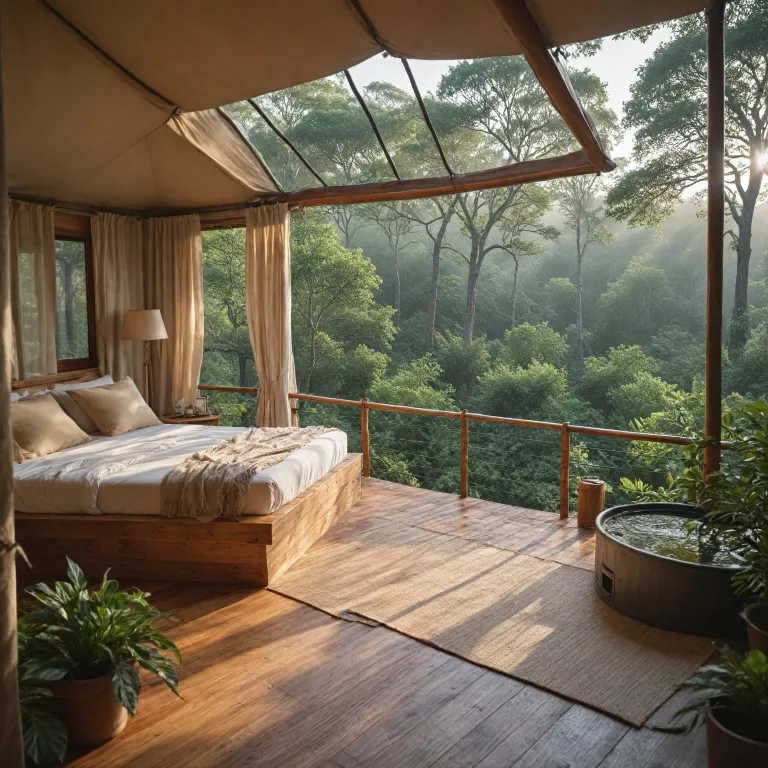
Eco conscious hotel solutions shaping luxury tent hospitality
Eco conscious hotel solutions are redefining how luxury tents operate as refined, low impact accommodations. In premium outdoor hospitality, every hotel style tented camp must balance comfort with sustainability to satisfy travelers who care about the environment. These guests expect hotels to offer a seamless blend of sustainability, style, and attentive service.
For operators, the shift toward sustainable hospitality is driven by both ethics and performance, because hotel sustainability can reduce operating costs while strengthening brand reputation. Data from industry reports shows that a large majority of travelers now prefer eco friendly accommodations, and many are willing to pay more when a hotel demonstrates credible sustainable practices. This is especially relevant for luxury tents, where proximity to nature makes environmental impact immediately visible to every guest.
Eco conscious hotel solutions in tented properties begin with thoughtful site planning that protects water, soil, and vegetation. Elevated platforms, minimal foundations, and reversible systems help reduce long term environmental impact, while still allowing generous decks, private plunge pools, or shaded lounges. When hotels design tented accommodations this way, they preserve the landscape that guests have come to experience.
Inside each hotel tent, operators can specify sustainable materials, low VOC finishes, and energy efficient lighting to support both wellness and sustainability. Smart systems for energy water management, such as zoned LED lighting and occupancy based controls, ensure that comfort never depends on wasteful consumption. By integrating these eco conscious hotel solutions from the outset, luxury tent operators create friendly accommodations that feel indulgent yet responsible.
Energy efficient design and renewable power for luxury tents
Energy is often the most visible dimension of sustainability in remote luxury tents, where diesel generators once dominated the hospitality industry. Today, eco conscious hotel solutions prioritize renewable energy, combining solar arrays, battery storage, and efficient backup systems to power every hotel level amenity. This approach reduces noise, emissions, and operating costs while enhancing the guest experience with quieter, cleaner stays.
Well designed tents use passive cooling, shading, and natural ventilation to reduce energy demand before any mechanical systems are considered. Roof overhangs, insulated canvas, and strategic orientation limit heat gain, so air conditioning and fans work less while maintaining premium comfort. When hotels pair these design choices with smart thermostats and zoned controls, they can reduce energy water related consumption significantly without compromising luxury.
Eco conscious hotel solutions also extend to efficient appliances and lighting, from induction cooktops in shared pavilions to LED pathways that protect dark skies. These sustainable practices are particularly important in glamping style accommodations near urban centers, where guests expect refined design and technology. For example, travelers seeking an elegant glamping escape near Dallas increasingly look for friendly hotels that communicate clear sustainability commitments.
Hotel operators can further enhance sustainable hospitality by monitoring real time energy performance through IoT based systems. These systems help identify inefficiencies, optimize renewable energy usage, and support transparent reporting on hotel sustainability metrics. When travelers see that a friendly hotel invests in such eco conscious hotel solutions, they gain confidence that sustainability is more than a marketing claim.
Water conservation, waste reduction, and plastic free luxury
Water is a critical resource for luxury tents, especially in remote landscapes where ecosystems are fragile and supply is limited. Eco conscious hotel solutions focus on water conservation through low flow fixtures, dual flush toilets, and efficient laundry systems that still meet premium expectations. When hotels communicate these choices clearly, guests understand that sustainability and comfort can coexist gracefully.
Many friendly hotels now provide filtered refill stations and elegant reusable water bottles instead of single use plastic options. This simple shift reduces plastic waste dramatically, while reinforcing the sense of thoughtful, eco friendly care that defines high end hospitality. In tented accommodations, where guests often spend more time outdoors, these water systems become part of the overall guest experience.
Waste management is another pillar of sustainable practices in luxury tents, from composting food waste to separating recyclables and minimizing packaging. Eco conscious hotel solutions encourage partnerships with local suppliers to reduce transport emissions and support regional economies through seasonal food menus. Properties that position themselves as an eco friendly luxury accommodation in pristine landscapes must show particular leadership in these areas.
To address broader environmental impact, hotels can phase out unnecessary plastic amenities and replace them with refillable dispensers and durable materials. These hotel amenities still feel indulgent, but they align with sustainability hospitality standards and reduce long term waste streams. When travelers see such eco conscious hotel solutions in action, they are more likely to support sustainable travel and recommend these friendly accommodations to others.
Local sourcing, food ethics, and community centered hospitality
Eco conscious hotel solutions for luxury tents extend beyond infrastructure into the realm of food, culture, and community. Guests increasingly evaluate hotels on how they source food, employ local staff, and contribute to regional development in a respectful way. This is especially true for tented accommodations located near protected areas or indigenous communities, where hospitality must be both sensitive and sustainable.
By prioritizing local suppliers, tented hotels reduce transport related emissions while showcasing regional flavors and culinary traditions. Menus that highlight seasonal food and transparent sourcing help reduce food waste, because chefs can plan around what is fresh and abundant. These sustainable practices also create richer stories for guests, who appreciate understanding how their meals connect to the surrounding landscape.
Eco conscious hotel solutions encourage training programs that build skills among local teams, strengthening both service quality and community resilience. When hotels invest in sustainable hospitality education, staff can explain environmental practices, from water conservation to waste sorting, in a confident and engaging way. This enhances the guest experience, turning everyday interactions into meaningful conversations about sustainability and place.
Partnerships with environmental organizations and cultural groups help ensure that tourism benefits are shared fairly and that environmental impact is carefully monitored. Friendly hotels can support conservation projects, sponsor local events, or collaborate on responsible excursions that respect wildlife and habitats. In this context, eco conscious hotel solutions become a bridge between luxury travel and long term community wellbeing.
Designing eco friendly guest journeys in luxury tent bookings
For a luxury and premium booking website focused on tents, eco conscious hotel solutions must be visible from the first search result. Travelers looking to book a hotel style tent want clear information about sustainability, from energy and water systems to waste and plastic policies. Transparent descriptions of hotel amenities, certifications, and sustainable practices help guests make informed choices aligned with their values.
Booking platforms can highlight friendly accommodations by using filters for sustainable hospitality, renewable energy usage, and verified environmental impact reporting. Rich content, including photography of green infrastructure and explanations of eco friendly initiatives, reassures guests that claims are credible. Integrating a prominent option to explore luxury wedding tent experiences can also showcase how sustainability extends to events and group stays.
Eco conscious hotel solutions on booking sites should include clear guidance on how guests can participate in sustainability during their stay. This might cover water conservation tips, options to reduce linen changes, or ways to minimize food waste at breakfast buffets. When hotels frame these requests as part of a shared commitment, guests feel invited rather than pressured.
Advanced platforms can even offer a "book demo" style virtual tour of sustainability features, allowing travelers to see systems such as solar panels, greywater treatment, or refill stations. This level of transparency strengthens trust and positions the hotel as a leader in hotel sustainability communication. As more travelers prioritize sustainable travel, such digital eco conscious hotel solutions will become a key differentiator in the luxury tent segment.
Measuring sustainability performance and elevating guest trust
To move beyond marketing language, eco conscious hotel solutions for luxury tents must be backed by measurable sustainability performance. Hotels can track indicators such as energy use per guest night, water consumption, and volumes of plastic waste diverted from landfill. Sharing these metrics in a clear, accessible format helps guests understand the real environmental impact of their stay.
Smart systems that monitor energy water usage, occupancy patterns, and equipment efficiency give operators actionable insights. By adjusting settings or upgrading components, hotels can reduce consumption while maintaining or even enhancing the guest experience. Over time, these data driven sustainable practices support continuous improvement and stronger sustainability hospitality credentials.
Certifications from recognized environmental organizations provide external validation that friendly hotels are meeting rigorous standards. When a friendly hotel publishes both its achievements and its remaining challenges, it demonstrates honesty and a long term commitment to sustainable hospitality. This transparency is particularly important for high end accommodations, where guests expect both luxury and integrity.
Common practices include using energy-efficient lighting, installing water-saving fixtures, sourcing food locally, and reducing single-use plastics. They lead to cost savings, improved brand reputation, increased guest satisfaction, and compliance with environmental regulations. Yes, studies show that a significant percentage of guests are willing to pay a premium for sustainable hotel experiences.
Key statistics on eco conscious hotel solutions in luxury tents
- Travelers preferring eco friendly accommodations now represent a substantial majority of the market, indicating strong demand for hotels that prioritize sustainability and responsible hospitality.
- Hotels that implement robust sustainable practices, including efficient energy systems and water conservation measures, can achieve notable reductions in energy costs while enhancing guest comfort.
- A significant share of hotel guests are willing to pay more for sustainable travel experiences, especially when eco conscious hotel solutions are clearly communicated and independently verified.
- Efficient fixtures and thoughtful water systems in luxury tents can reduce overall water usage considerably, which is crucial for properties operating in sensitive or remote environments.
- Only a relatively small proportion of hotels currently operate comprehensive sustainability programs, suggesting that early adopters in luxury tent hospitality can gain a meaningful competitive advantage.
Essential questions about eco conscious hotel solutions
What are common eco friendly practices in hotels and luxury tents ?
Common eco conscious hotel solutions in luxury tents include energy efficient lighting, low flow water fixtures, and smart climate control. Many hotels also focus on sourcing food from local producers, reducing plastic waste through refillable amenities, and implementing robust recycling and composting systems. Together, these sustainable practices reduce environmental impact while maintaining a refined guest experience.
How do sustainable practices benefit hotels operating luxury tents ?
Sustainable practices help hotels lower operating costs by reducing energy and water consumption, which is especially valuable in remote tented locations. They also strengthen brand reputation, attract eco minded travelers, and support compliance with environmental regulations and certification schemes. Over time, these eco conscious hotel solutions can increase occupancy, encourage repeat visits, and position the property as a leader in sustainable hospitality.
Are guests really willing to pay more for eco friendly luxury tent accommodations ?
Industry research indicates that a significant proportion of guests are prepared to pay a premium for stays that align with their environmental values. This is particularly true when hotels provide clear evidence of sustainability, such as renewable energy systems, water conservation measures, and transparent reporting on environmental impact. For luxury tents, where the connection to nature is central, eco conscious hotel solutions often enhance perceived value rather than limiting comfort.