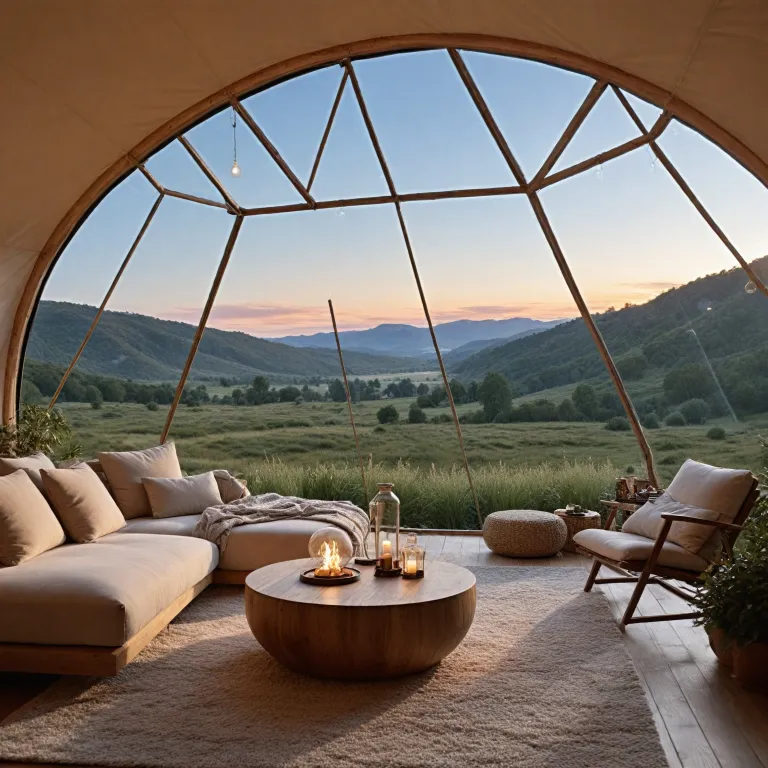
Bubble dome stays for guests who want refined outdoor comfort
A bubble dome stay suits travelers who love nature but expect refined comfort. These transparent bubble domes frame the sky like a private observatory, while still feeling as secure and insulated as a well designed house. For luxury and premium booking websites, the challenge is to present each bubble, tent, and dome as a serious hospitality product rather than a novelty.
Most premium bubble dome properties use durable polycarbonate, glass, or high grade PVC to create a transparent bubble that withstands wind and rain. Some glamping dome models are fully rigid, while others are an inflatable bubble tent supported by a continuous flow of air from an air blower. In both cases, guests expect hotel level bedding, curated amenities, and clear information about the price, delivery time of services, and what is included in the stay.
For inflatable concepts, the blower and air management system are as important as the mattress or linens. Hosts must ensure that blower air noise is minimized, that every air blower is safely installed, and that the dome tent remains at a comfortable temperature. When a bubble house is marketed as a luxury product, the website must explain how the inflatable structure, PVC walls, and clear bubble panels meet safety standards and local regulations.
Because many bubble domes are located in the United States, guests from the USA and abroad compare them with traditional resorts. Luxury booking platforms therefore highlight customer reviews that mention quiet nights, easy check in, and attentive customer service. They also emphasize that even though guests sleep in an outdoor setting, the bubble dome experience feels as private and serene as an exclusive villa.
Design, materials, and comfort standards inside a luxury bubble dome
Designing a luxury bubble dome stay begins with the structure itself and the surrounding landscape. Rigid geodesic dome models and frameless transparent domes both create a sense of space, but they handle air, light, and acoustics differently. For premium guests, the choice between a fully inflatable bubble and a structural dome tent often comes down to perceived safety, privacy, and thermal comfort.
Manufacturers such as Viking Dome use transparent polycarbonate or glass to create weather resistant bubble domes suitable for glamping, terraces, and lounges. Their engineering allows some models to handle snow loads up to 7.2 kN per square metre, which reassures customers booking in colder regions. Inflatable designs, by contrast, rely on a constant flow of blower air, so hosts must position each air blower discreetly and ensure the inflatable balloon structure remains stable during wind or rain.
Inside, the best bubble house layouts feel like a refined suite rather than a simple tent. Designers use layered textiles, neutral color palettes, and carefully placed lighting to soften the effect of the transparent bubble and color clear PVC panels. Many properties add a secondary inner dome or partial wall to create a more intimate sleeping zone, while still allowing guests to gaze through a clear bubble roof at the stars.
Luxury booking websites must clearly describe bed sizes, bathroom arrangements, and heating or cooling systems for every bubble dome listing. They should also explain whether the product is a single dome tent or a cluster of bubble domes connected by decks and paths. Travelers comparing a bubble tent in Europe with a glamping dome resort in India will appreciate detailed descriptions, especially when linked to curated guides such as this overview of elegant luxury tent resorts in India.
From inflatable event domes to permanent glamping retreats
The bubble dome concept spans playful event rentals and serious long stay glamping retreats. Companies like Seminole Slides and Such provide 13 foot inflatable bubble domes for parties, where the focus is on fun, fast delivery, and easy setup. These inflatable balloon structures often resemble a bounce house, yet they can be styled with lounge furniture, lighting, and decor to feel surprisingly sophisticated.
For overnight stays, however, a bubble house must meet far stricter hospitality standards. Hosts need to manage air quality, temperature, and noise from every blower, while ensuring the PVC or polycarbonate shell remains secure throughout the night. Many operators choose a hybrid approach, combining a rigid geodesic dome or dome tent for sleeping with an adjacent transparent bubble for stargazing and outdoor lounging.
Luxury and premium booking platforms must help guests understand these differences at a glance. Clear photography, floor plans, and customer reviews that mention the type of dome, tent, or inflatable structure can prevent misunderstandings. When a listing uses terms like bubble tent, clear bubble, or transparent bubble, the description should explain whether the product is suitable for families, couples, or events that resemble a private bounce house party.
Regional context also matters, especially in large countries such as the United States. A bubble dome in Texas, for example, faces different weather and regulatory conditions than a glamping dome near New York City or on the West Coast. Editorial content about family friendly glamping in Texas or waterfront retreats near major cities helps guests read the landscape before they book.
Operations, safety, and inventory management for bubble dome hosts
Behind every serene bubble dome photograph lies a complex operational reality. Hosts must coordinate delivery, setup, maintenance, and cleaning for each dome, tent, and bubble house, often in remote outdoor locations. For inflatable models, they also need contingency plans if an air blower fails or if blower air intake becomes obstructed during a storm.
Safety begins with site selection and adherence to local regulations. Operators should check permits for bubble domes, verify snow and wind load requirements, and ensure that every inflatable balloon or bubble tent is anchored correctly. Guidance such as “Check local regulations and permits required for setting up bubble domes,” “Consider weather conditions and site suitability before installation,” and “Ensure proper maintenance and safety measures are in place for inflatable structures” remains essential reading for any serious host.
Inventory management is another critical layer, especially for booking websites that aggregate multiple bubble dome properties. Platforms must track which glamping dome units are available, which inflatable products are out for repair, and how many dome tent structures each store or partner can operate at once. Accurate inventory management supports reliable delivery time estimates, transparent price information, and realistic promises about free shipping or on site setup services.
For guests, these back end systems translate into confidence and trust. When a customer in the USA books a transparent bubble stay, they expect the product shown online to match the dome they find on arrival. Detailed customer reviews that mention punctual delivery, easy check in, and responsive customer service help reinforce that trust, especially for travelers booking from outside the United States.
Pricing, value, and what luxury guests should look for
Pricing a bubble dome stay requires more nuance than simply listing a nightly rate. Operators must factor in the cost of the dome or tent, the air blower system, ongoing maintenance, and any delivery or shipping fees for remote locations. For inflatable structures that resemble a bounce house or event bubble, hosts may also need to budget for additional staff and safety supervision.
Luxury and premium booking websites can help guests interpret these prices by explaining what drives value. A higher price may reflect a larger geodesic dome with a private bathroom, a more advanced transparent bubble made from thick PVC, or a location with exceptional views and privacy. Some properties include extras such as guided stargazing, private dining inside a color clear bubble house, or complimentary use of outdoor hot tubs and firepits.
Guests should read listing details carefully to understand whether free shipping or free on site setup applies to mobile bubble domes used for events. For permanent glamping dome resorts, the focus shifts to inclusions such as breakfast, activities, and transfer services from the nearest transport hub. In both cases, clear explanations of delivery time for special requests and any additional product charges help prevent surprises.
Because many bubble domes operate in rural parts of the United States, travelers from the USA and abroad should also consider access and seasonality. Editorial guides to glamping escapes near major cities can help guests compare remote stays with easier to reach options. Ultimately, the best value comes when the transparent bubble experience, the outdoor setting, and the level of service align with the guest’s expectations.
Guest experience, reviews, and how platforms build trust
For many travelers, a bubble dome stay is a once in a lifetime experience. They arrive expecting a seamless blend of outdoor adventure and hotel level comfort, framed by the drama of a transparent bubble under the night sky. Luxury booking platforms must therefore curate listings carefully, highlighting properties where customer reviews consistently praise both the setting and the service.
Thoughtful hosts pay attention to small details that shape the guest journey. Clear pre arrival information about access, weather, and what to pack helps customers feel prepared, especially when the product is an inflatable bubble tent or remote geodesic dome. On site, staff should explain how the air blower works, how to adjust ventilation, and how to maintain privacy when staying inside a color clear bubble house.
After departure, platforms can encourage guests to write detailed customer reviews that mention comfort, cleanliness, and any issues with blower air noise or temperature. These reviews help future customers read between the lines of marketing photos and understand how each dome, tent, or bubble performs in real conditions. Over time, patterns in feedback can guide operators to upgrade PVC panels, improve outdoor lighting, or refine delivery and check in procedures.
Trust also grows when platforms are transparent about their partners and suppliers. Mentioning reputable manufacturers such as Viking Dome or experienced event companies like Seminole Slides and Such reassures guests that the underlying structures are professionally engineered. As immersive entertainment brands like Cosm expand their dome venues across the United States, travelers become more familiar with dome architecture, which in turn normalizes the idea of sleeping inside a transparent bubble.
Future directions for luxury bubble domes in hospitality
The future of luxury bubble dome hospitality lies in more specialized, context aware experiences. In eco tourism regions, operators are experimenting with low impact geodesic dome clusters that blend into the landscape while offering panoramic views through clear bubble panels. In colder climates, insulated dome tent designs and double walled transparent bubble structures extend the season without sacrificing comfort.
Technology will also play a larger role inside each bubble house. Some properties are already integrating subtle LED lighting, projection systems, and smart climate control that works in harmony with the air blower and ventilation. As immersive entertainment companies like Cosm develop large LED domes for shared reality events, guests will increasingly expect refined lighting and soundscapes even in small glamping dome retreats.
For booking platforms, the challenge is to present these innovations clearly while maintaining a human centric tone. Detailed descriptions of materials, air systems, and outdoor amenities help customers understand why one bubble dome commands a higher price than another. At the same time, platforms must keep inventory management accurate, so that every listed product, from inflatable balloon structures to rigid domes, is genuinely available at the promised delivery time.
As demand grows in the USA and beyond, we can expect more specialized stores and operators focusing solely on transparent bubble stays. Whether based in major hubs like Wall Township in New Jersey or remote mountain regions, these providers will refine everything from free shipping policies to on site services. For travelers, this means a wider choice of bubble domes and bubble tents, each offering a different balance of outdoor immersion, privacy, and luxury.
Key statistics about bubble domes in hospitality
- Many engineered bubble domes are designed with a snow load capacity of around 7.2 kN per square metre, which supports safe operation in colder regions.
- Compact transparent dome structures for glamping and outdoor lounges often start from diameters of approximately 3 metres, suitable for intimate two person stays.
- Recent public investments in inflatable athletic domes in the United States have reached nearly 13.9 million USD for single large scale projects, underlining growing confidence in dome based structures.
Questions guests often ask about bubble dome stays
What materials are used in constructing bubble domes ?
Bubble domes are typically made from durable materials like polycarbonate or glass, providing transparency and weather resistance. (vikingdome.com)
What are common uses for bubble domes ?
Bubble domes are used for various applications, including event spaces, glamping accommodations, outdoor dining, and immersive entertainment venues.
How are inflatable bubble domes maintained ?
Inflatable bubble domes require continuous air pressure maintained by portable blowers and regular inspections to ensure structural integrity and safety.